




Lowes Corporate Fencing
Vinyl or PVC Fence - Install
Serving Brownsville, KY and surrounding areas
Approved
In business since 1921
Free estimates
Credit card accepted
"Lowes did a great job installing my vinyls fence."
Recommended by87%of homeowners

 4.6
 23
*The Angi rating for Fencing Service companies in Brownsville, KY is a rating based on verified reviews from our community of homeowners who have used these pros to meet their Fencing Service needs.
*The HomeAdvisor rating for Fencing Service companies in Brownsville, KY is a rating based on verified reviews from our community of homeowners who have used these pros to meet their Fencing Service needs.
Last update on October 26, 2026
Serving Brownsville, KY and surrounding areas
Approved
In business since 1921
Free estimates
Credit card accepted
"Lowes did a great job installing my vinyls fence."
Serving Brownsville, KY and surrounding areas
Approved
In business since 2020
Warranties offered
Small jobs welcome
"Was very pleasant and easy to deal with. Done a superb job"


+17

Serving Brownsville, KY and surrounding areas
In business since 2019
Free estimates
Emergency services offered
"The projects were top notch. Very high quality workmanship."
Serving Brownsville, KY and surrounding areas
In business since 1973
Small jobs welcome
Offers commercial services
"He does the best work around, and has the price."
Serving Brownsville, KY and surrounding areas
In business since 1999
Free estimates
Emergency services offered
"they did a good job."
Serving Brownsville, KY and surrounding areas
In business since 2021
Free estimates
Small jobs welcome
"The best contracting services around. Owned and operated by a very honest trustworthy and hard-working man. Quality work in a timely manner very happy with my new fence."

Serving Brownsville, KY and surrounding areas
In business since 2010
Free estimates
Emergency services offered
"Did great job always on time and never once missed a day"




+33

Serving Brownsville, KY and surrounding areas
In business since 2000
Free estimates
"Extremely helpful with the project and idea we had planned and communicated well"


+4
Serving Brownsville, KY and surrounding areas
In business since 2018
Free estimates
"He gets in and gets the job done and the job site is clean when he leaves!"

Serving Brownsville, KY and surrounding areas
Free estimates
Emergency services offered
Warranties offered
Reliable, high-quality reconstruction services you can depend on. We specialize in complete teardowns, structural rebuilds, and professional damage restoration.Free estimates on all projects 1-year warranty included for your peace of Mind hard-working, fully dedicated team!!
From average costs to expert advice, get all the answers you need to get your job done.

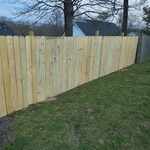
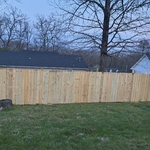
A new fence adds privacy, improves safety, and even boosts curb appeal. But how much does fence installation cost? Find out in this guide.

Chain-link fences are among the most affordable options available. Use this chain link fence cost guide to see what your fence installation will total.

Fence repair costs depend on the extent of damage, your fence's material, and how much of the fence you need to fix. Explore all the price factors in this guide.

Fences make great neighbors. Here's how to choose the right types of fences for privacy and security in your yard.
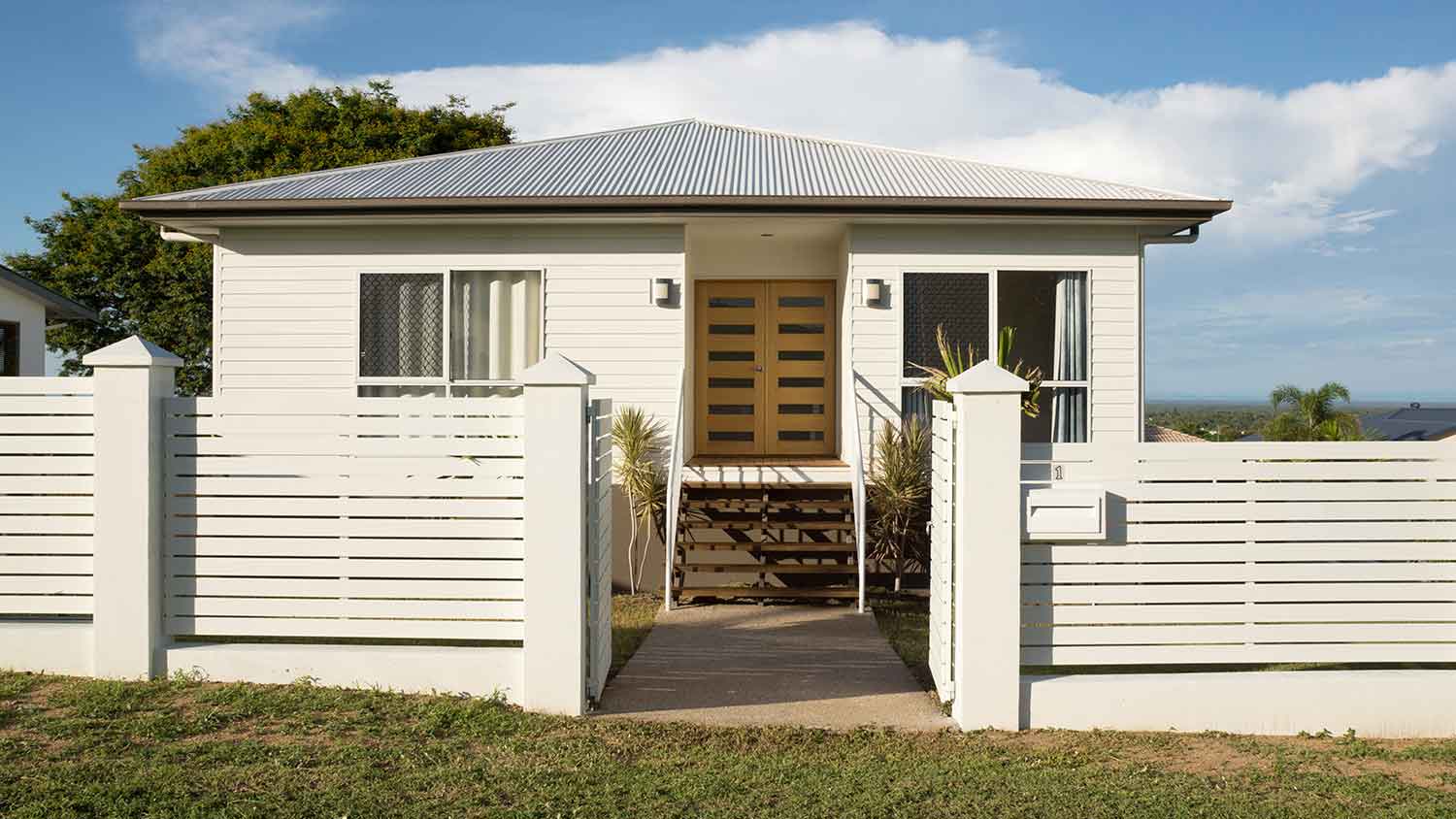
Looking for a way to increase privacy at home without taking on extra chores? Learn about the best low-maintenance fence options.

There are a lot of different types of farm fencing. Find the one that’s right for your property with our handy guide.