


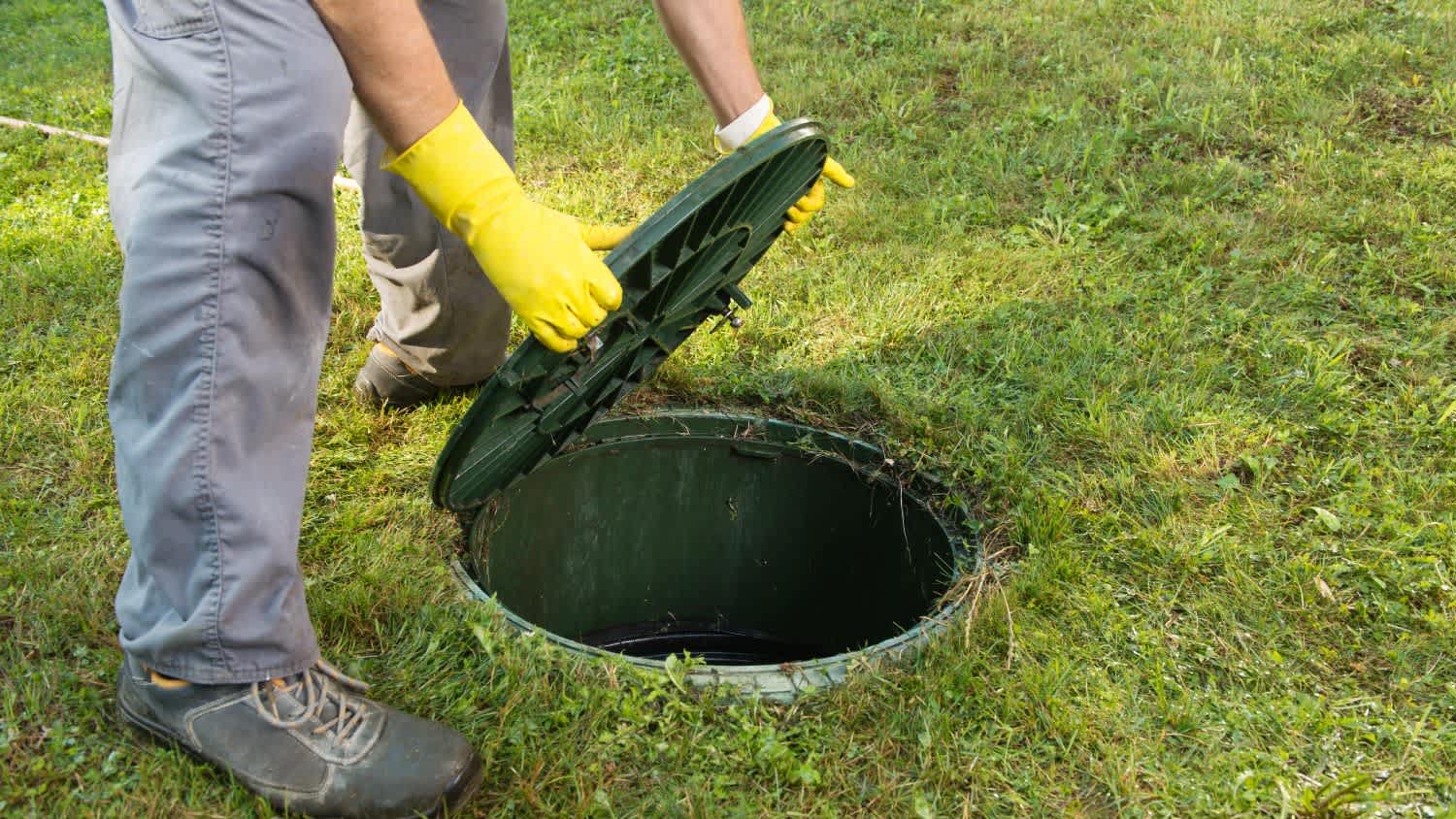
Top-rated percolation testing pros.

Best percolation testing pros near Bowling Green, KY

Enter your zip and get matched with up to 5 pros

Need a pro for your percolation testing project in Bowling Green, KY?

Select your specific project to find the pro for you.

TRUSTED BY BOWLING GREEN, KY HOMEOWNERS

  • Average homeowner rating star icon4.6
    Average homeowner rating
  • Verified reviews icon231
    Verified percolation testing services reviews

Top-Rated Percolation testing pros in Bowling Green - Updated Nov 2026

No results for Percolation testing pro in

Try adjusting your search criteria.
Percolation Tests FAQs, answered by experts

The signs of asbestos exposure are often subtle and may not appear for many years, or even decades, after initial contact. This long latency period is one of the primary dangers associated with asbestos.

When symptoms do manifest, they can include:

  • Shortness of breath

  • A persistent, dry cough

  • Chest pain or tightness

  • Fatigue

  • Wheezing

  • Weight loss

  • Difficulty swallowing

  • A dry, crackling sound from the lungs when breathing

These symptoms are non-specific and can be mistaken for other respiratory conditions, making diagnosis challenging. Prolonged exposure can lead to serious diseases as the asbestos fibers cause scarring and inflammation in the lungs. These conditions include asbestosis, lung cancer, and mesothelioma.

Due to the vague nature of early symptoms, regular medical check-ups are crucial for anyone with a known history of asbestos exposure, particularly in an occupational setting. If you suspect asbestos is present in your home, a professional inspection is recommended.

The Environmental Protection Agency (EPA) banned the use of asbestos pipe insulation in certain applications in 1975. It released further bans in 1989 and 2019. While asbestos pipe insulation was common from the 1930s to 1970s, its use fell off after the 1970s due to public concern and the EPA's actions.

Since the EPA partially banned asbestos in 1989, it is no longer used to manufacture new siding in the United States; production had largely ceased by the early 1980s. Many other countries, such as Canada, Iceland, and Denmark, also have bans on asbestos. However, asbestos siding is still present in many homes built before the late 1980s. The only definitive way to know if your siding contains asbestos is to have it professionally lab-tested.

If you own a stereo microscope, you should be able to see the fibers. The stereo microscope often can perform magnification up to 50x. But unless you have experience viewing asbestos fibers, you may not know exactly what you are seeing. Some fibers are curly, while others are long and straight. Blue, brown, white, and gray colored fibers are all possible.

Damaged tiles can release asbestos fibers into the air. Anyone in the surrounding area who may inhale the fibers will have them settled in the lining of internal organs. Over time, it may lead to serious health conditions such as lung cancer and mesothelioma.

The only safe way to prevent these conditions is to avoid exposure to asbestos at all costs, even for a short period of time.

The Bowling Green, KY homeowners’ guide to percolation testing services

From average costs to expert advice, get all the answers you need to get your job done.