




Top-rated insulation pros.

Get matched with top insulation pros in Bowling Green, KY

Enter your zip and get matched with up to 5 pros

Need a pro for your insulation service project in Bowling Green, KY?

Select your specific project to find the pro for you.

TRUSTED BY BOWLING GREEN, KY HOMEOWNERS

  • Average homeowner rating star icon5
    Average homeowner rating
  • Verified reviews icon13
    Verified insulation services reviews

Find Insulation pros in Bowling Green

Avatar for Weyer Works Home Solutions
Weyer Works Home Solutions
New to Angi
Batt, Rolled or Reflective Insulation - Install or UpgradeBlown-In Insulation - Install or UpgradeSpray Foam Insulation - Install

Serving Bowling Green, KY and surrounding areas

Approved

Emergency services offered

Weyer Works – Quality Craftsmanship You Can Trust\nAt Weyer Works, we provide dependable, high-quality home repair and improvement services with a focus on doing the job right the first time. From small fixes to full repairs, we bring the same level of care, precision, and professionalism to every project.\nOur services include drywall repair, carpentry, flooring, deck repair, door and window replacement, and general property maintenance. We take pride in clean work, clear communication, and showing up when we say we will.\nAs a locally owned business, we value honesty, fair pricing, and building long-term relationships with our customers. No shortcuts, no surprises—just solid work you can rely on.\nCall or text 615-973-0038 today for a free estimate and let Weyer Works take care of your next project.
Avatar for Hometown National
Hometown National
5.0(
151
)
Batt, Rolled or Reflective Insulation - Install or UpgradeBlown-In Insulation - Install or UpgradeInjection Insulation - Install+2 more

Serving Bowling Green, KY and surrounding areas

In business since 2018

Free estimates

Emergency services offered

"After we returned home from our summer vacation out of town, we found that our master bath and bedroom had flooded due to rain and clogged plumbing. When I called the chief executor of Hometown Restoration, he replied quickly, provided a reasonable quotation, and started work straight away. We were delighted with the accuracy of the treatment of water, as well as the quickness through which his workers restored our master suite after insulation removal, flood cutting, and so on. Our home looked nicer than the original! Staff were professional, kind, and meticulous in their clean-up. I would refer Hometown Restoration to others!"
Additional Photos
Additional Photos
Additional Photos
Additional Photos
Additional Photos

+3

Recommended by100%of homeowners
Showing 1-10 of 25
Insulation questions, answered by experts

If you have access to the foundation walls, adding spray foam insulation to your existing unfinished basement or crawl space is straightforward. Replacing existing insulation in your unfinished attic space is possible after removing the old insulation. However, spray foam insulating an existing wall after the drywall is in place isn’t possible unless you remove most of the drywall.

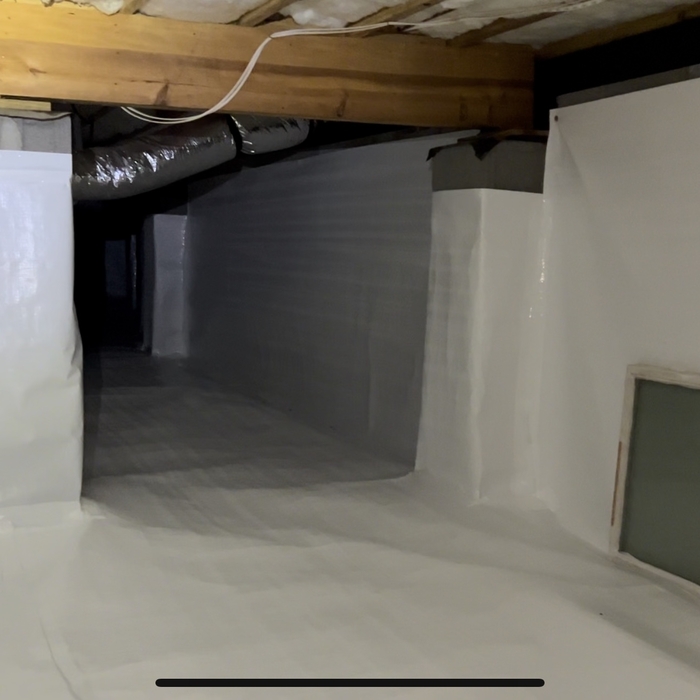
In nearly all cases, you are required to install a vapor barrier in your crawl space. However, local regulations will change based on the local climate and the crawl space's susceptibility to moisture. Even if a vapor barrier is not legally required, it is often a good idea to keep your crawl space dry.

A garage ceiling needs a vapor barrier if it’s a heated garage or if you’re installing insulation in the ceiling. Without a vapor barrier, you risk moisture issues and mold growth. If you have an unheated garage and don’t plan on installing insulation that could get wet and harbor mold, the ceiling doesn't need a vapor barrier.

Insulating windows without plastic is usually the better method. Outside of simply replacing your windows, you could buy cellular shades, which trap air between the window and the home, add a window film that blocks UV rays and traps heat, or cover your windows with a low-emissivity coating called “low-E.”

R-30 insulation is better for higher thermal resistance, but whether it’s "better" depends on the application. R-30 is much thicker and suited for areas like attics or floors in cold climates, where more insulation is required. R-13, on the other hand, is thinner and works well for 2x4 walls or milder climates where less insulation is sufficient. Choosing between R-13 and R-30 depends on the area being insulated and the climate. For example, R-30 provides more insulation but may not fit everywhere in your home.

The Bowling Green, KY homeowners’ guide to insulation services

From average costs to expert advice, get all the answers you need to get your job done.