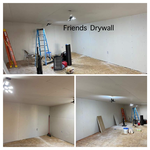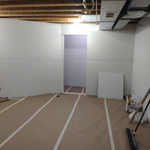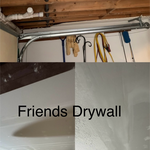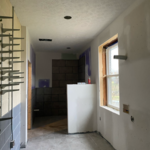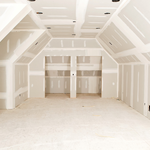


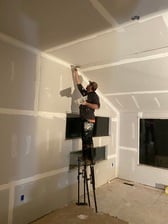



Top-rated drywall pros.

Best drywall pros near Bellemeade, KY

Enter your zip and get matched with up to 5 pros

Need a pro for your drywall service project in Bellemeade, KY?

Select your specific project to find the pro for you.

TRUSTED BY BELLEMEADE, KY HOMEOWNERS

  • Average homeowner rating star icon4.5
    Average homeowner rating
  • Verified reviews icon212
    Verified drywall services reviews

Top-Rated Drywall pros in Bellemeade - Updated Nov 2026

Avatar for TW Drywall
TW Drywall
4.9(
16
)
Drywall - InstallDrywall - Install - For BusinessDrywall - Repair+1 more

Serving Bellemeade, KY and surrounding areas

Approved

Super Service Award Winner

In business since 1998

Free estimates

Emergency services offered

"I reached out to TW Drywall to finish a closet/ pantry, which was a small job but that didn’t matter to Tony. TW Drywall did an excellent job. They were prompt, professional and cleaned up any mess that comes with this type of work. TW Drywall is the real deal and recommend them for your next drywall project. Thank you Tony and Dee!"
Response time2 days
Response rate95%
Recommended by25%of homeowners
Avatar for Well Hung Drywall and Services
Well Hung Drywall and Services
4.9(
22
)
Drywall - Repair

Serving Bellemeade, KY and surrounding areas

Approved

In business since 2018

Free estimates

Small jobs welcome

"Was quick to quote and bid the job; Richard started right within our ideal time window and kept to the schedule. Our basement was ready to prime/paint in just over a weeks time. I would highly recommend looking into using Well Hung Drywall; I had a great experience and they would be my first call if I needed services in the future."
Ceiling
Ceiling
Ceiling
Ceiling & Wall
Ceiling & Walls

+75

Response time5 hrs
Response rate99%
2 neighbors recently requested a quote
...
Showing 1-10 of 366
Drywall FAQs, answered by experts

There are six levels of drywall finish, from 0 to 5, that refer to the amount of work performed during the finishing process.

Level 0: Drywall is hung with no finishing work.

Level 1: Tape is placed over the seams between drywall sheets.

Level 2: A thin layer of mud is applied over the tape and screw holes. This level is common for utility rooms or walls that will be covered.

Level 3: A full coat of mud covers the screw holes and tape, but the surface is not sanded. This is often used in garages.

Level 4: This is the most common finish for visible interior walls. It involves applying two coats of mud over seams and screw holes, with sanding between each coat, creating a smooth surface ready for flat paint.

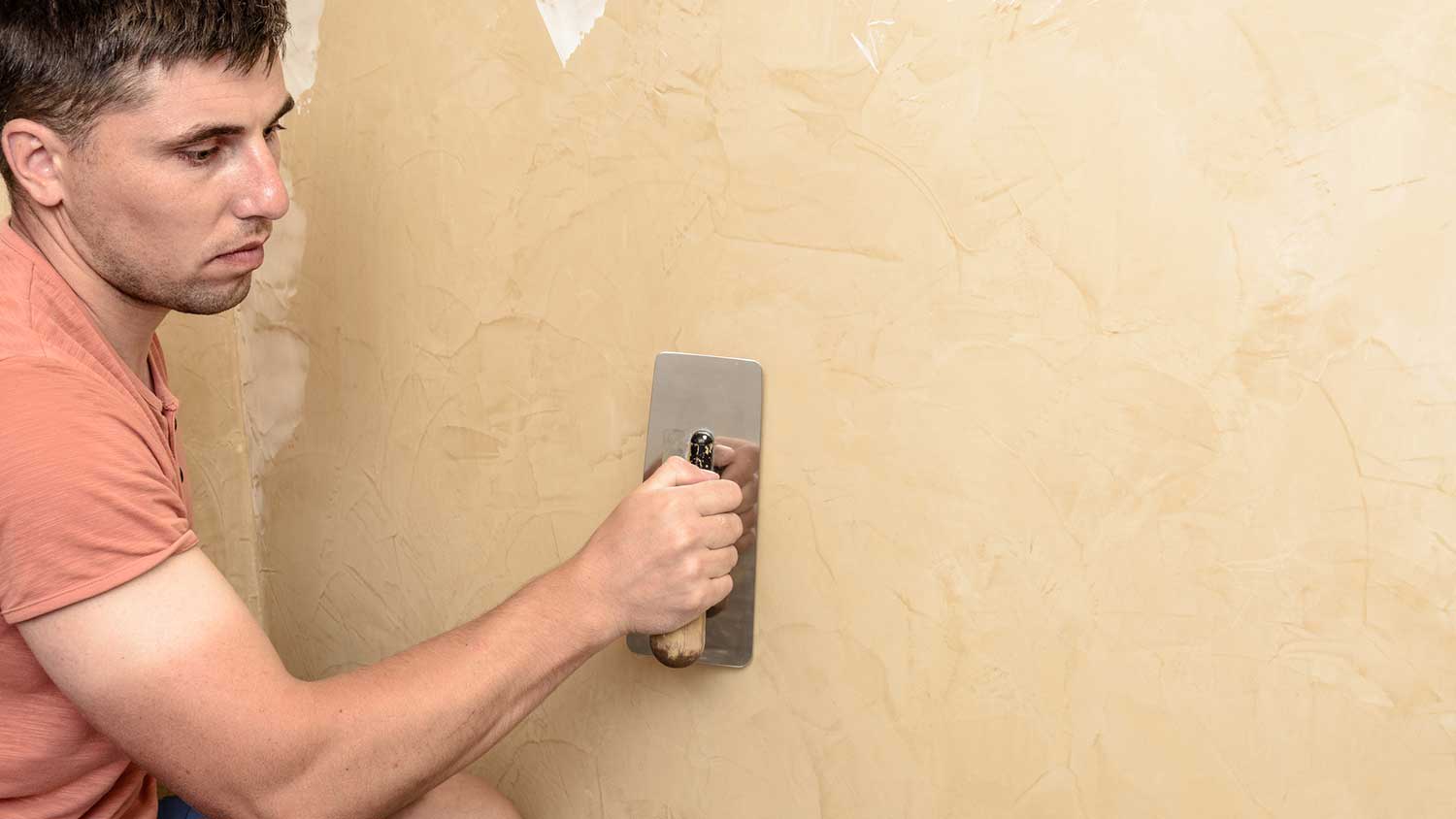
Level 5: This is a high-end finish for luxury homes. It includes full taping, mudding, and sanding, plus a final skim coat over the entire surface before painting.

The tool you use to sand plaster will depend on the size of the project. If you’re just working on a small section of your wall to get rid of an uneven spot on the surface, hand-sanding might work. However, for larger projects, a drywall sander can make a huge difference when it comes to both time and elbow grease—and an orbital sander can help for detailed areas such as around ceiling fans.

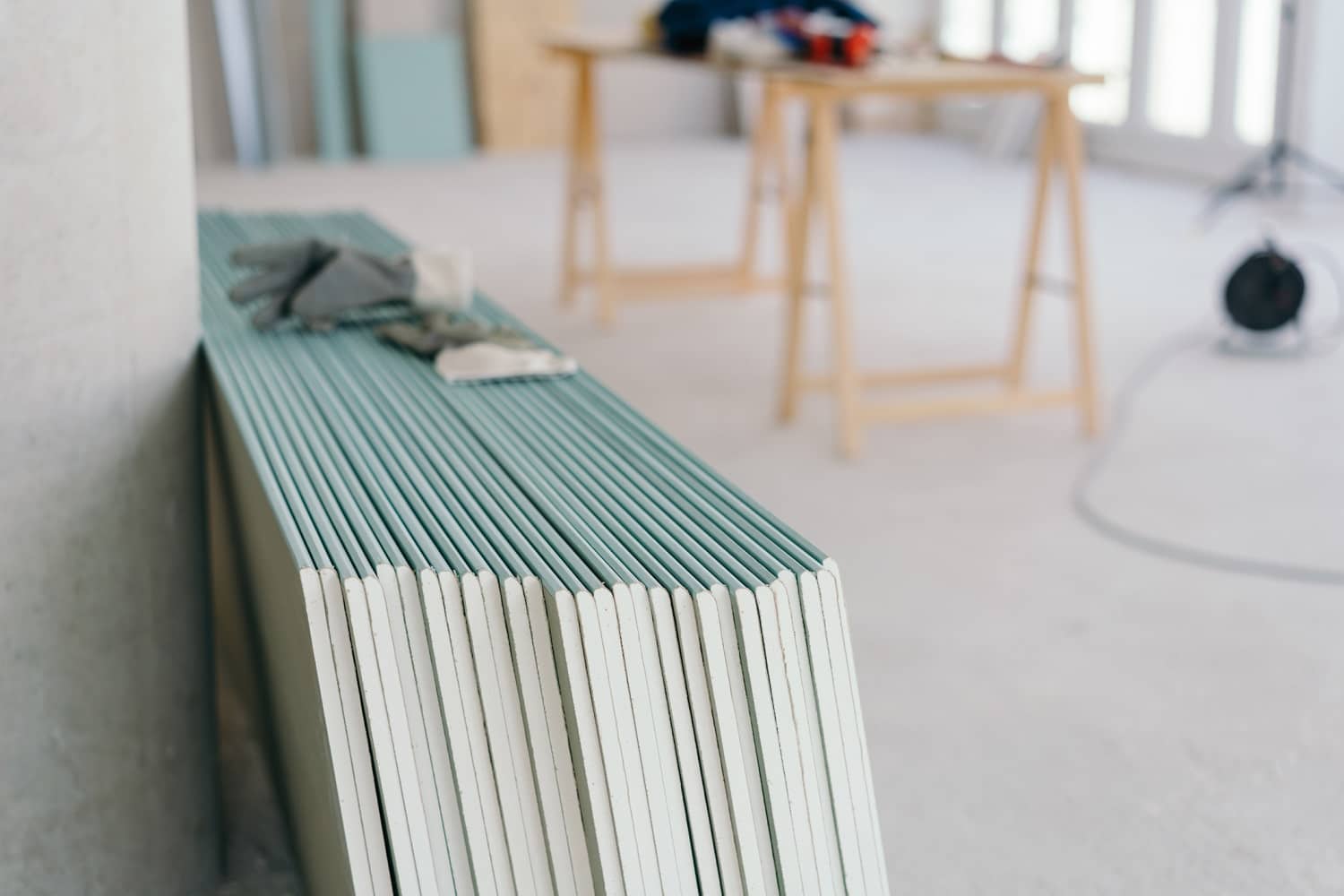
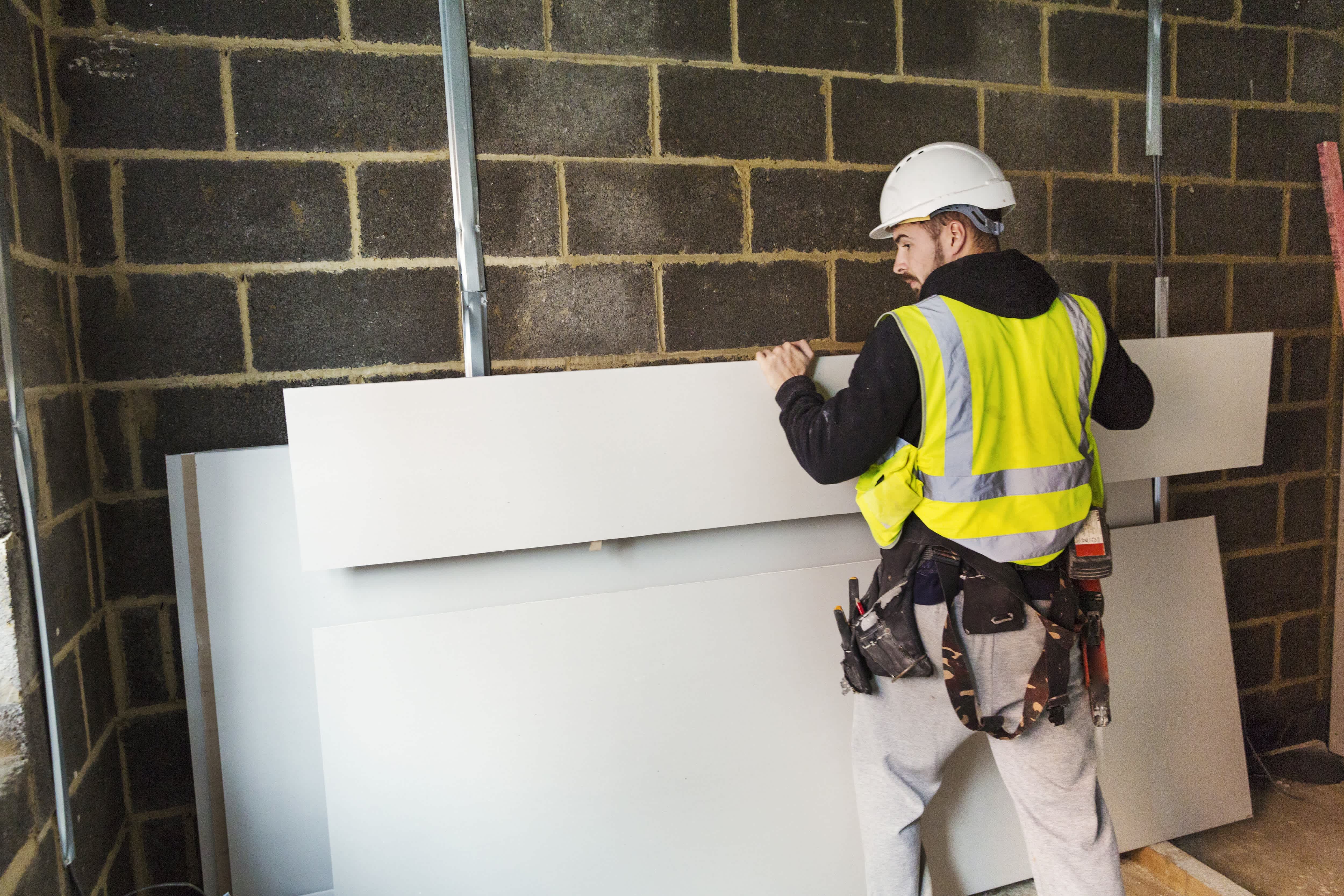
You should always hang drywall from the top down. Starting at the top makes it easier to create a straight, tight line between the ceiling and the wall. Any gaps that occur will be at the bottom, where they are easier to manage. You can either cut the bottom piece of drywall to fit the remaining space or cover the gap with baseboard trim. Additionally, starting at the top is physically easier, as you won't have to fit the top sheet into a tight space between the lower sheet and the ceiling, or try to balance the upper sheets on the lower ones while securing them.

Yes, a one-story house can have a load-bearing wall. The load-bearing walls in a single-story home are usually the exterior walls. If the house has a basement with exposed walls, the arrangement of the beams can help indicate what walls are load-bearing.

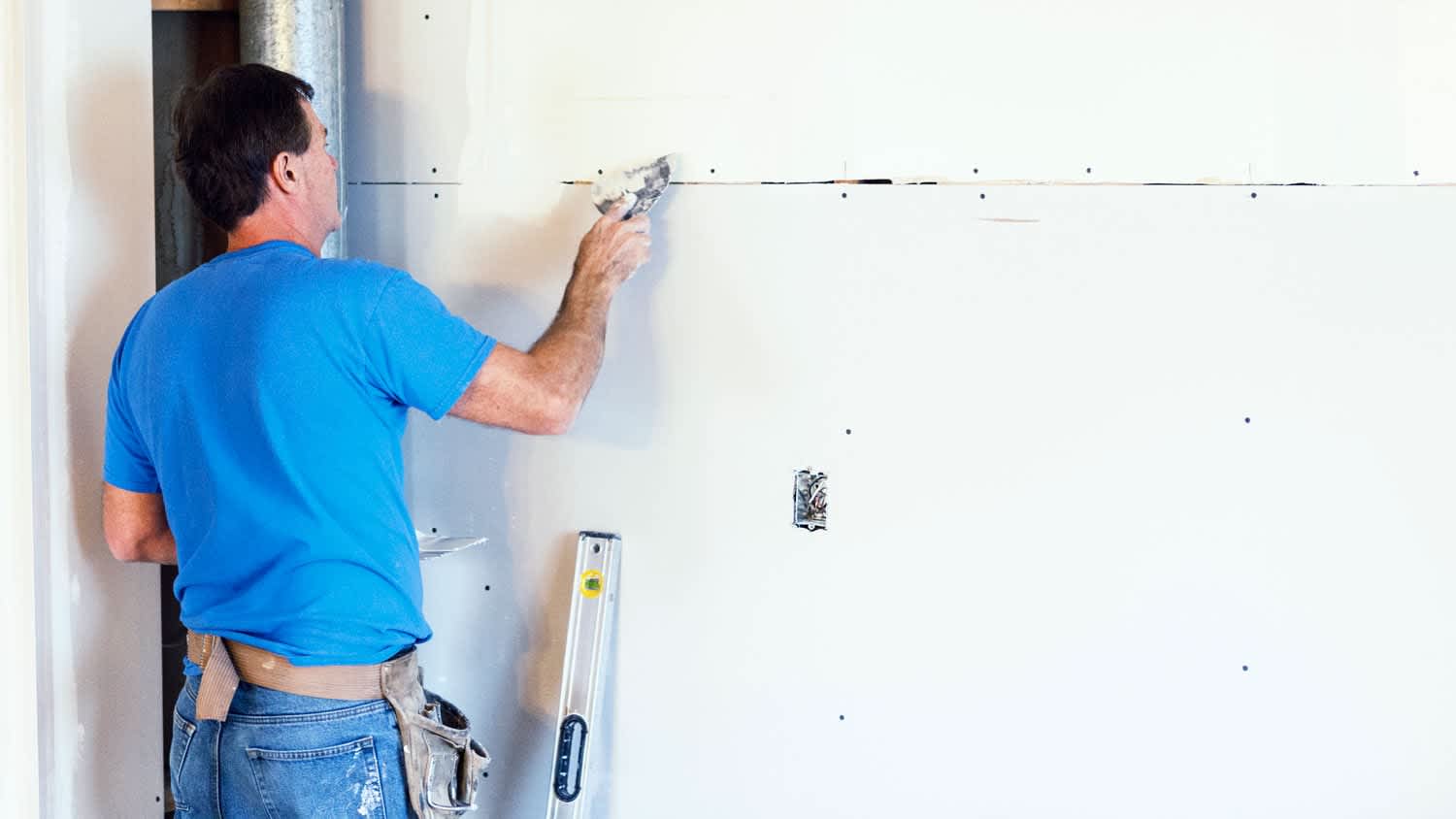
In some minor cases, you can DIY drywall repair with minimal time and money spent. This method is best when you have a hole made by a singular problem, such as accidental furniture moving, and not a continuous problem, like a rodent infestation. 

Knowing what product to use is crucial. For example, small holes only need spackle, whereas large holes might need a new piece of drywall. You can flex your DIY abilities on this project, but if you’d like a second opinion or have a more significant problem, it’s best to call in a drywall repair pro.

The Bellemeade, KY homeowners’ guide to drywall services

From average costs to expert advice, get all the answers you need to get your job done.