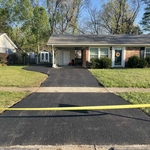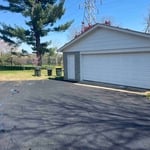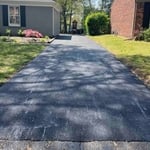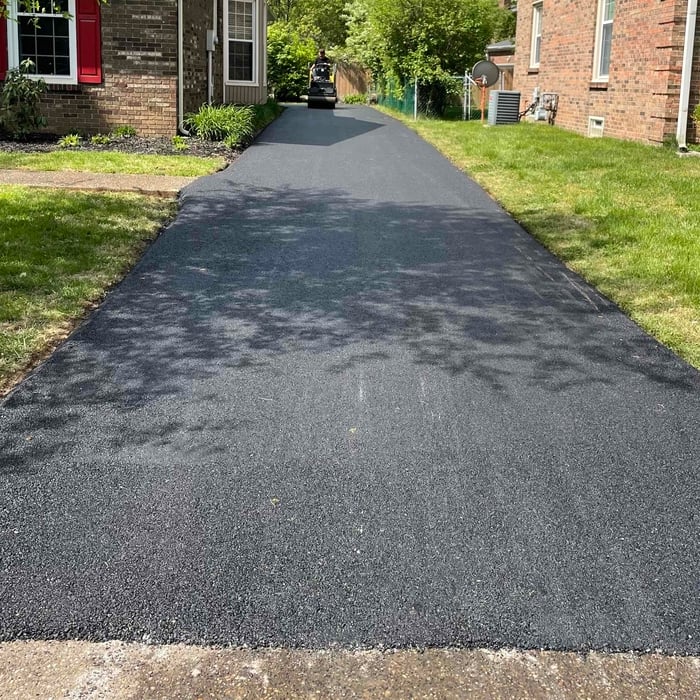





Top-rated asphalt driveway pros.

Best asphalt driveway pros near Bellemeade, KY

Enter your zip and get matched with up to 5 pros

Need a pro for your asphalt driveway service project in Bellemeade, KY?

Select your specific project to find the pro for you.

TRUSTED BY BELLEMEADE, KY HOMEOWNERS

  • Average homeowner rating star icon4.3
    Average homeowner rating
  • Verified reviews icon184
    Verified asphalt driveway services reviews

Top-Rated Asphalt driveway pros in Bellemeade - Updated Nov 2026

Avatar for Hearn's Hauling Services
Hearn's Hauling Services
5.0(
13
)
Concrete Driveways - Install

Serving Bellemeade, KY and surrounding areas

Approved

Free estimates

Credit card accepted

Offers commercial services

"They actually arrived 5 minutes early, which impressed me very much. And seth and his helpers had everything loaded up cleaned up and hauled off within two hours. I thought it would take them closer 3 or 4. They went above and beyond!! Very highly satisfied."
Hauling Services
2 neighbors recently requested a quote
The Yard Doctor, LLC
4.8(
17
)
Concrete Driveways & Floors - Install- For BusinessConcrete Driveways - Install

Serving Bellemeade, KY and surrounding areas

Approved

In business since 2018

Free estimates

Customers say: True professional

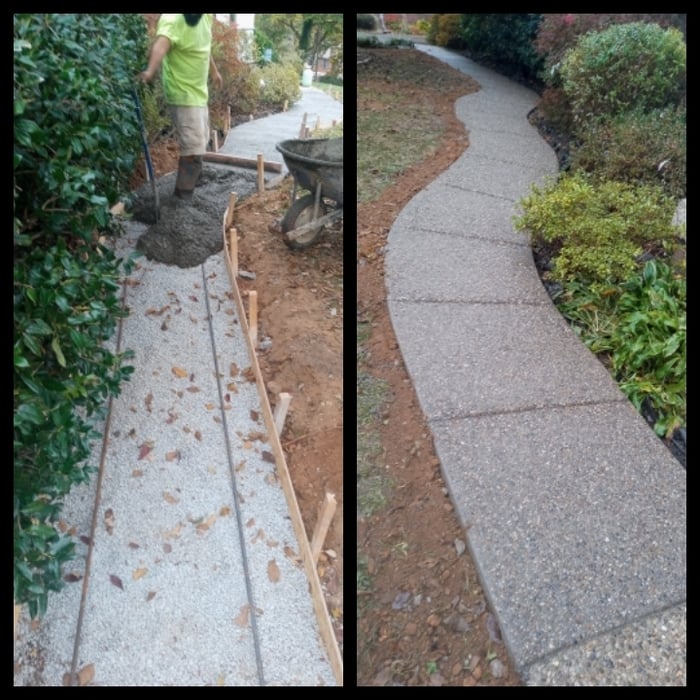
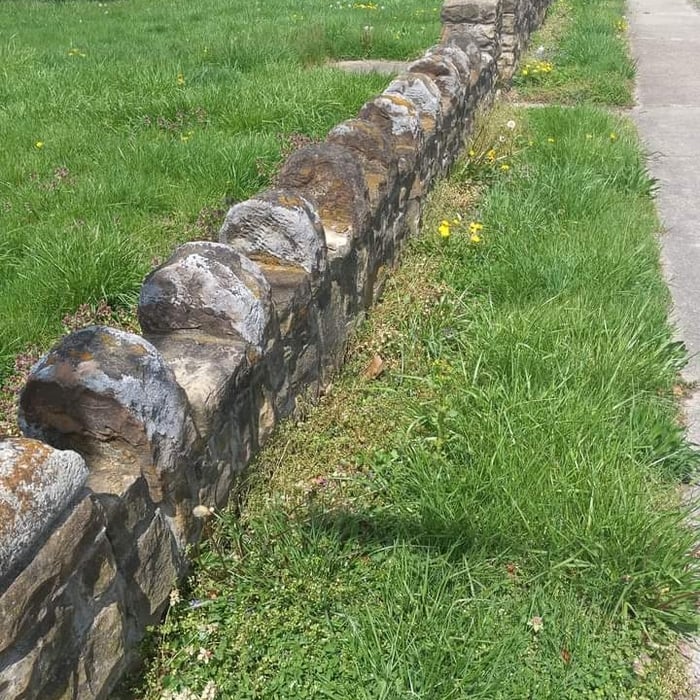
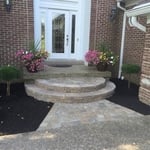
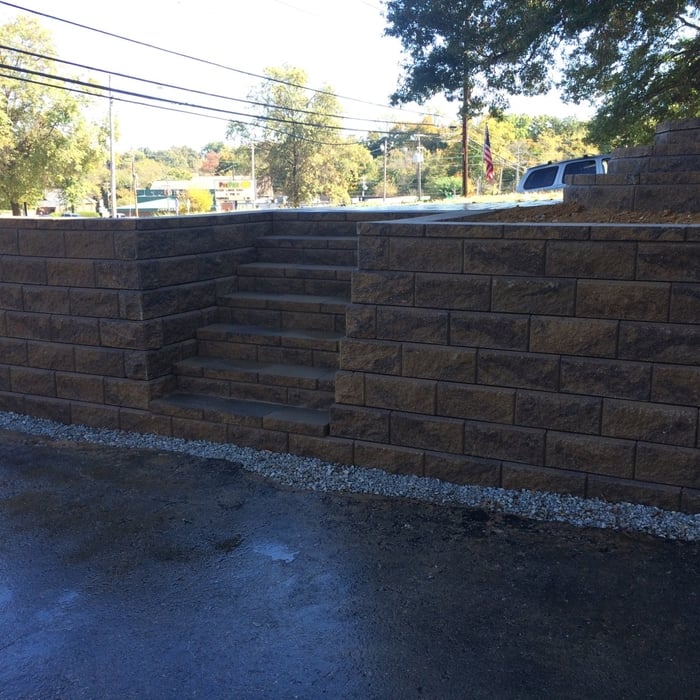
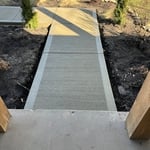
"Very skilled, reliable, and dependable. The Yard Doctor went above and beyond installing landscape wall, sidewalk, and porch for us. We had a great experience with this company."
Response time2 days
2 neighbors recently requested a quote

Recommended by88%of homeowners
...
Showing 1-10 of 310
Asphalt Driveways FAQs, answered by experts

Asphalt paving offers several benefits, including cost-effectiveness and a quick installation process. It provides a durable and smooth surface, making it ideal for high-traffic areas. With proper maintenance, asphalt also offers longevity.

Asphalt and tarmac are not the same thing. Traditional tarmac, short for tarmacadam, uses tar as a binder to hold crushed stone together. Asphalt uses bitumen—a byproduct of crude oil—to bind aggregate. Though tarmac was once a go-to for roads, asphalt has become the modern standard. And these days, most surfaces referred to as “tarmac” are actually asphalt. So, while the names may overlap, the key distinction lies in the binder—tar for tarmac and bitumen for asphalt.

New asphalt typically needs 24 to 72 hours to dry before it can handle light foot traffic and careful driving. Although it may appear solid after a few days, the full curing process, where the asphalt reaches its peak strength, takes much longer—generally from 30 days to a year.

During this extended curing time, the surface remains relatively soft and can be damaged by heavy vehicles, sharp objects, or high temperatures. To protect your investment, it's best to avoid parking heavy machinery on the asphalt until it has fully cured.

The exact time required for drying and curing depends on several factors, including the weather, the specific asphalt mix, and its thickness. For the most accurate advice tailored to your situation, consult with your asphalt contractor.
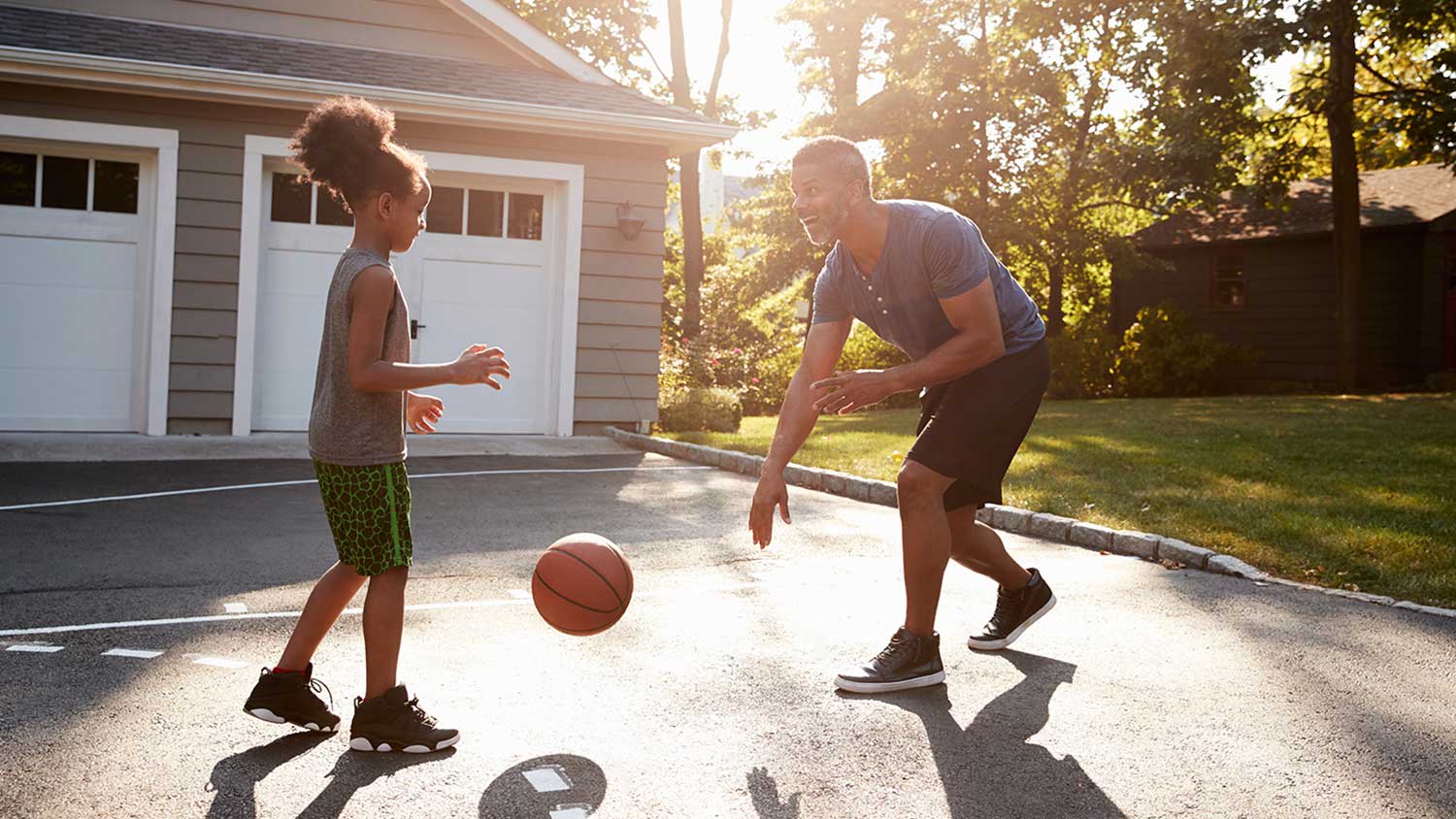
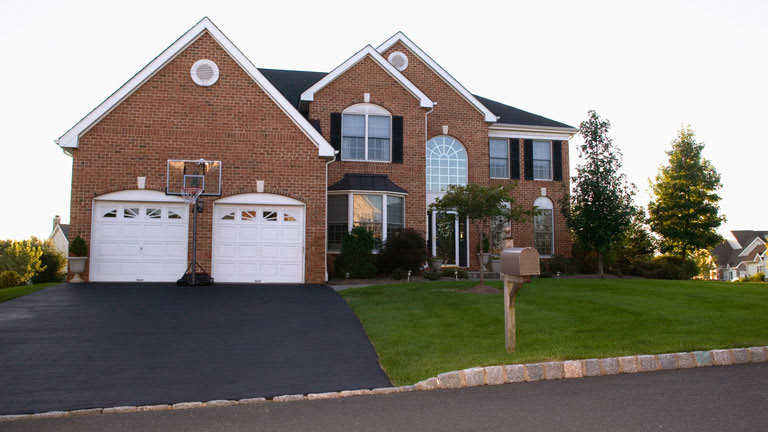
There’s no single best asphalt grade—it all comes down to where and how it’s used. Highways and heavy-traffic roads need something tough, like polymer-modified asphalt (PMA) or Stone Matrix Asphalt (SMA). Local roads and parking lots rely on the Performance Graded (PG) system, chosen based on climate. A PG 64-28 mix, for example, handles a broad temperature range while simpler, more cost-effective mixes are typically enough for residential driveways. The best grade of asphalt depends on traffic, weather, and your budget, which is why a professional’s input is always a smart move before making a decision.

The choice between asphalt and concrete depends on your priorities, budget, and climate.

Concrete is generally more durable, lasting up to 50 years with minimal upkeep, and offers more customization options like staining and stamping, which can add more to a home's value. However, it is more expensive upfront and can be prone to cracking in cold climates where water can freeze and expand.

Asphalt is typically cheaper and quicker to install and is easier to repair. It performs better in colder climates. However, it requires more maintenance, including regular resealing, has a shorter lifespan, and can get hot and sticky in intense sunlight.

Ultimately, if durability and long-term value are key, concrete is often the better choice. If upfront cost and performance in cold weather are more important, asphalt may be preferable.

The Bellemeade, KY homeowners’ guide to asphalt driveway services

From average costs to expert advice, get all the answers you need to get your job done.