


Top-rated radon detection and reduction specialists.

Get matched with top radon detection and reduction specialists in Sedan, KS

Enter your zip and get matched with up to 5 pros

Need a pro for your radon detection and reduction project in Sedan, KS?

Select your specific project to find the pro for you.

Find Radon detection and reduction specialists in Sedan

Avatar for Ad Astra Radon Solutions
Ad Astra Radon Solutions
New to Angi

Serving Sedan, KS and surrounding areas

Free estimates

Warranties offered

Small jobs welcome

With 5+ years of professional radon experience you can trust Ad Astra Radon Solutions to make your home safer & healthier. We provide both radon mitigation and radon testing services as well as crawlspace encapsulation. We are certified to perform both radon mitigation and testing with the state of Kansas as well as with the NRPP.\n\nWe have experience mitigating new construction and existing family homes. Call us today for a free consultation!

Radon Detection and Reduction questions, answered by experts

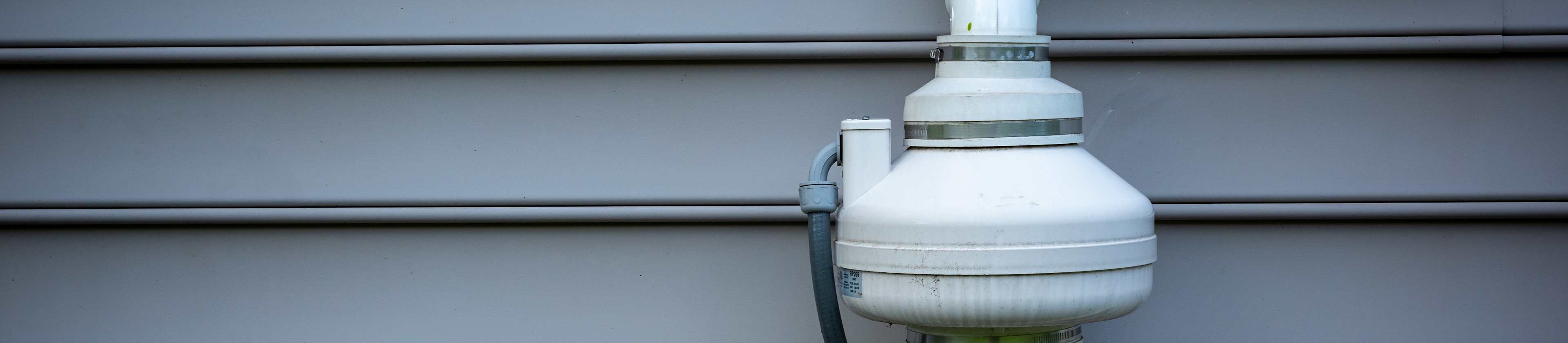
Your radon mitigation system may be loud because it’s time to replace it. Any sounds are usually from the inline fan that helps create the vacuum and resulting airflow. If you hear a new, loud mechanical or humming noise from your radon fan, it might be time to replace it. Most fans used in radon mitigation systems last up to 10 years, but may need to be replaced sooner.

The natural breakdown of uranium in soil, rock, and water can cause radon to appear in a home. The gas seeps into homes through cracks in foundations, walls, or floors, as well as through gaps around pipes or construction joints. Radon levels are influenced by soil composition, building materials, and ventilation. Poorly sealed or airtight homes can trap radon, allowing it to accumulate.

If your home has a sump pit, you can integrate it with a radon mitigation system. You can accomplish this by sealing the pump cover with an airtight lid that accommodates radon vent pipes and sump pump hoses. This allows the vent pipe to redirect the radon gas outside of your home.

Installation typically takes 1-2 days, depending on the system and property layout.

The average radon mitigation system uses about 876 kWh of electricity per year, although the exact amount of electricity used will vary depending on the size of the radon fan. Once the system is installed, the annual increase to your energy bill could range from $30 to $300 per year, again depending on the size of the fan.

The Sedan, KS homeowners’ guide to radon detection and reduction services

From average costs to expert advice, get all the answers you need to get your job done.

What do you need done? We’ll find top pros.
  • 🌱 "Mow a small front yard"
  • 🛠 "Fix a leaking pipe under the sink"
  • 🏠 "Repair shingles on an asphalt roof"




