


Top-rated radon detection and reduction specialists.

Get matched with top radon detection and reduction specialists in Fredonia, KS

Enter your zip and get matched with up to 5 pros

Need a pro for your radon detection and reduction project in Fredonia, KS?

Select your specific project to find the pro for you.

Find Radon detection and reduction specialists in Fredonia

Avatar for Ad Astra Radon Solutions
Ad Astra Radon Solutions
New to Angi

Serving Fredonia, KS and surrounding areas

Free estimates

Warranties offered

Small jobs welcome

With 5+ years of professional radon experience you can trust Ad Astra Radon Solutions to make your home safer & healthier. We provide both radon mitigation and radon testing services as well as crawlspace encapsulation. We are certified to perform both radon mitigation and testing with the state of Kansas as well as with the NRPP.\n\nWe have experience mitigating new construction and existing family homes. Call us today for a free consultation!

Radon Detection and Reduction questions, answered by experts

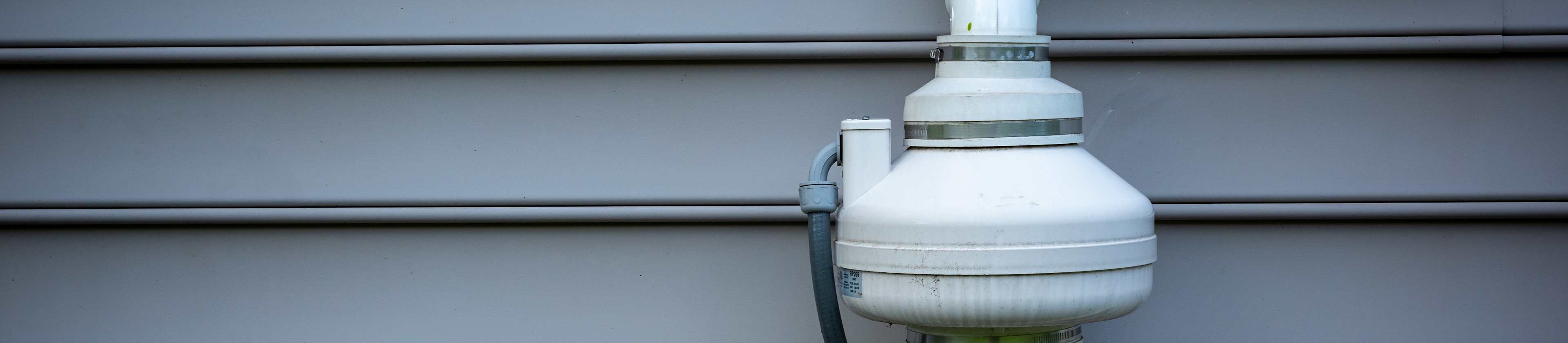
Radon is a cancer-causing radioactive gas that poses serious health risks, infiltrating homes through foundation cracks and unnoticed spaces.

The lifespan of a radon mitigation system depends on the type of system and its maintenance. With proper care, a system can last for many decades. Passive systems tend to last longer as they have fewer components that require replacement. Active systems, which have more moving parts like fans, generally have a shorter lifespan. For instance, water filtration devices and active pressurization systems require more frequent maintenance. While the system as a whole is durable, the radon fan in an active system typically has a lifespan of 5 to 10 years and will need to be replaced. As long as the fan is working, the mitigation system should function correctly.

The soil beneath your house is most likely what’s causing an increased level of radon. This is because soil holds radioactivity for a long time and it’s also what most buildings are built on. Another common source of radon is water from a source that hasn’t been through periodic radon tests, such as well water. Over time, the radon from the soil can inhabit other parts of your house like the foundation or plumbing.

Radon enters your home when warm air begins to rise and exits through the roof, creating a vacuum that pulls cooler air from under the foundation. Part of that air is radon, which is an invisible, odorless gas that develops naturally when radioactive particles are deep within the ground. Those particles usually come from decaying matter in soil and rocks.

Radon detection is crucial as prolonged exposure to radon gas, a leading cause of lung cancer, poses significant health risks in residential environments.

The Fredonia, KS homeowners’ guide to radon detection and reduction services

From average costs to expert advice, get all the answers you need to get your job done.




