






Top-rated electricians.

Get matched with top electricians in Saint Paul, KS

Enter your zip and get matched with up to 5 pros

Need a pro for your electrical service project in Saint Paul, KS?

Select your specific project to find the pro for you.

TRUSTED BY SAINT PAUL, KS HOMEOWNERS

  • Average homeowner rating star icon4.7
    Average homeowner rating
  • Verified reviews icon12
    Verified electrical services reviews

Find Electricians in Saint Paul

Premier Electric, LLC
4.4(
8
)
Electrical Switches, Outlets & Fixtures - Install or RepairElectrical Wiring or Panel UpgradeElectrical Wiring or Panel Upgrade - For Business+2 more

Serving Saint Paul, KS and surrounding areas

Approved

In business since 2016

Free estimates

Customers say: Quick response

"They came in, found the electric problem and got it fixed in no time flat. They were fast, did a good job and it was a great value for the work they did. Will use them again!"
Response time1 day
Recommended by100%of homeowners
Avatar for JAG Electric
JAG Electric
4.7(
52
)
Electrical Switches, Outlets & Fixtures - Install or RepairElectrical Wiring or Panel UpgradeElectrical Wiring or Panel Upgrade - For Business+1 more

Serving Saint Paul, KS and surrounding areas

In business since 2002

Free estimates

Credit card accepted

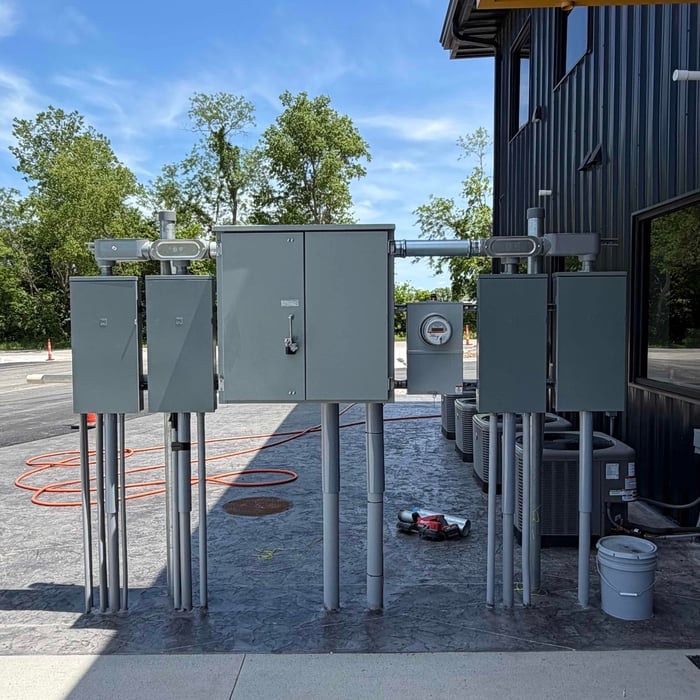
"Once the electrical box was opened and assessed it was apparent that the electrical box was pulled away from the house wall by the ground settling. Much of the wood frame behind the box had experienced water damage requiring long screws to seek enough wood meat to pull the box back to the brick wall. A vertical slip sleeve pipe was installed to adjust for the horizontal piping in the ground settling. The owner agreed to add foam, calking to help seal the wall box to the house wall and add a sloped top cover and sides to add additional protection from future heavy rain. This was an original construction land settling issue that is not uncommon."
Response time1 day
8 neighbors recently requested a quote

Recommended by100%of homeowners
...
Showing 1-10 of 57
Electrical questions, answered by experts

Several signs can indicate a light switch is bad. If the switch feels loose, slides down after you flip it, or requires multiple flicks to turn the light on, it may be failing. Other common indicators include flickering lights or a general failure to turn the light on or off. Pay attention to any unusual sounds, such as crackling, buzzing, or popping when you operate the switch. More serious signs, which can present a fire or shock hazard, include the switch feeling excessively warm or hot, sparking, smoking, or emitting a burning smell. If you notice any of these dangerous signs, stop using the switch immediately and call an electrician.

Yes, if something sparks when you plug it in or turn it on, it's important to unplug it immediately. A spark from an electrical appliance or device could indicate a short circuit, damaged wiring, or other electrical problems that could cause electrical fires or electrical shock. By unplugging the appliance, you can reduce the risk of electrical hazards and prevent damage to the device itself. It's important to avoid using the appliance until it has been inspected and repaired by a licensed professional to ensure that it’s safe to use.

Daisy-chaining refers to placing multiple GFCI outlets in a row along the same circuit. This won’t do any harm, but it’s of limited usefulness because a properly-placed GFCI can monitor all downstream outlets on its own. Multiple GFCI installations won’t usually increase safety except in special cases.

Homeowners should avoid replacing a circuit breaker without turning it off. While you technically can replace a circuit breaker without turning off the main breaker—and professionals can and do—it’s only safe for electricians to use this process. Working with a live panel is extremely dangerous if you don’t have experience working with electricity. Always follow safety measures to avoid electrical shock.

Amps describe the amount of energy that can flow through a circuit breaker. Every electrical device that’s attached to the breaker requires about 1.5 amps. While that equates to roughly 13 receptacles per 20 amps, using slightly fewer ensures that your circuit will always have enough energy for sudden power surges instead of tripping when one occurs. In general, 10 to 12 receptacles is recommended for a 20 amp circuit.

The Saint Paul, KS homeowners’ guide to electrical services

From average costs to expert advice, get all the answers you need to get your job done.