

Top-rated insulation pros.

Best insulation pros near West Lafayette, IN

Enter your zip and get matched with up to 5 pros

Need a pro for your insulation service project in West Lafayette, IN?

Select your specific project to find the pro for you.

TRUSTED BY WEST LAFAYETTE, IN HOMEOWNERS

  • Average homeowner rating star icon4.8
    Average homeowner rating
  • Verified reviews icon37
    Verified insulation services reviews

Top-Rated Insulation pros in West Lafayette - Updated Nov 2026

Avatar for Hawx Insulation-Indianapolis
Hawx Insulation-Indianapolis
4.1(
361
)
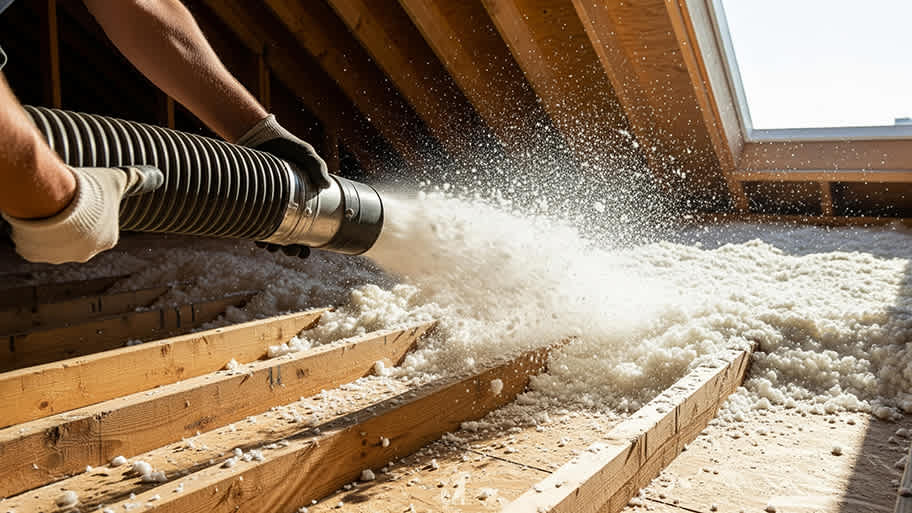
Blown-In Insulation - Install or Upgrade

Serving West Lafayette, IN and surrounding areas

Approved

In business since 2013

Free estimates

Credit card accepted

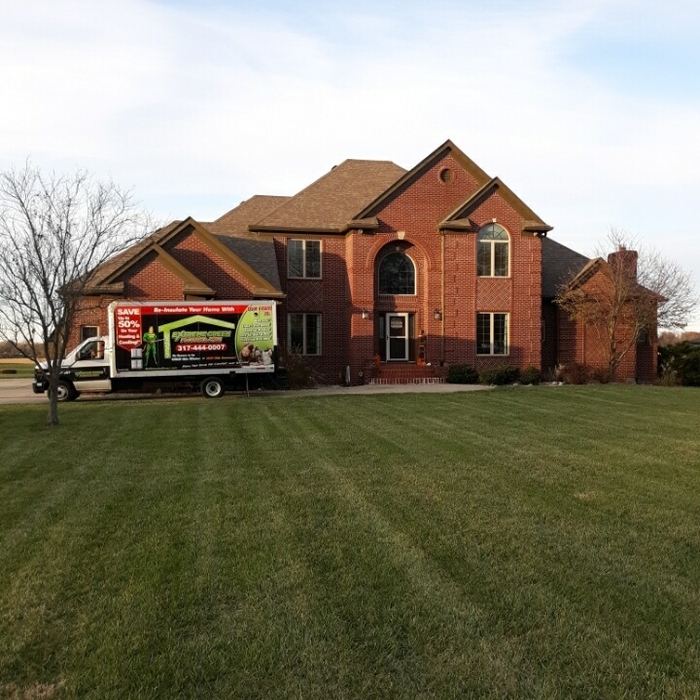
At Hawx Pest Control, our company is based on the belief that our customers' needs are of the utmost importance. Our team is committed to meeting those needs. Hawx Premium Pest Control will treat your pests, mosquitos, and more- then keep them away for good. If pests come back between treatments so will we, at no additional cost to you. We welcome the opportunity to earn your trust and deliver you the best service. No job is too big or too small for our experienced team. Call today for a quote.

Recommended by75%of homeowners
Showing 1-10 of 25
Insulation FAQs, answered by experts

The cost to install a radiant barrier ranges from $700 to $2,800, depending on the size of your roof and the type you choose. Most people pay an average of $1,700 to install a radiant barrier. Foil options, both single- and double-sided, cost between $0.10 and $0.90 per square foot, while spray-on options start at $0.60 and go all the way up to $1 per square foot—which can add up quickly.

It's essential to use insulation materials specifically designed for air ducts. Common types of duct insulation materials include fiberglass, foam board, and reflective foil. These insulation materials have the right properties to withstand the temperature and airflow conditions within the ductwork. Using the appropriate insulation not only ensures efficient temperature control but also prevents potential safety hazards or the release of harmful particles into the air.

Ductwork should be wrapped in insulation in certain locations. This includes unconditioned interior parts of the home, such as attics, crawl spaces, basement ceilings, and between floors. Duct joints should also be insulated since they're more likely to leak air than other parts of your system. Building codes in some areas also require ductwork to be insulated.

Buying a house with vermiculite insulation is not recommended without going through a proper testing process. Vermiculite insulation can potentially contain asbestos, which poses health risks when disturbed. While it is possible to purchase a home with vermiculite insulation, you should have it tested for asbestos, and ensure proper containment if asbestos is present. If asbestos is present, you will want to hire a professional to remove it, ideally before you move in.

The amount and type of insulation your home needs depends on your location, climate, and the specific installation area (attic, walls, or floors). Your local building code will typically determine the minimum required R-value. For specific recommendations, Energy Star suggests the following R-values: homes in the Southern U.S. should have R30 to R60 in attics and R13 to R25 in floors and walls; homes in moderate climates need R38 to R60 in attics and R25 to R30 in floors and walls; and homes in northern states require R49 to R60 in attics and R25 to R30 in floors and walls.

The West Lafayette, IN homeowners’ guide to insulation services

From average costs to expert advice, get all the answers you need to get your job done.