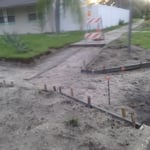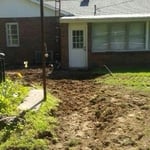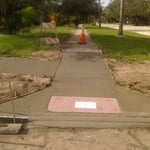



"My experience with Concrete Services was exceptional. Brian reached out and provided a quote immediately after I entered my work request. Then they started and completed the project within a week. I couldn't ask for faster service, as I'm struggling to find services to complete other projects in my house. They are courteous, transparent, informative, and was a pleasure to deal with. The concrete work is better than expected. He and his team went above and beyond their duty to help moved my hot tub and clean their work space. Would highly recommend Brian and his team at concrete services."
"Wonderful! The guys there were nice and very understanding, Kevin was a great guy he explained what he was going to do and did it! He didn't over charge and did a great job my yard looks great and no more flooded basement!"
"Excellent job. Very friendly, listen and took care of all of my concerns. Very, very hard workers. For many years we have tried to get the rain water to drain away from the garage they took their time and measurements constantly and now we have a beautiful driveway that wonâ t let water in the garage. Outstanding job if you need concrete work done this is the company to call. Rated 5 + Thank you to D & J Concrete."
The decision to repair or replace your driveway depends on the extent of the damage. If your driveway has a few small cracks, a simple repair will do the trick. If you see larger cracks and potholes, it may be time to consider resurfacing or replacement. Resurfacing is a great option if more than 25% of the surface is damaged, but if the damage is extensive—deep cracks or significant sinking—it’s best to replace the driveway entirely. A new driveway, with proper care, can last decades while patching or resurfacing might only hold up for a few years before needing more attention.
It’s best to weigh the pros and cons of each material and decide on your priorities for your driveway. Gravel won’t be an appropriate choice if your driveway experiences heavy traffic. You’ll find that you need to level and top it off regularly, which could make the material a much more expensive option.
When comparing installation costs, asphalt is often less expensive upfront than concrete. Asphalt prices typically range from $7 to $15 per square foot, while concrete can range from $3 to $18 per square foot. However, long-term costs should also be considered. Concrete driveways generally last longer (up to twice as long) and require less maintenance, which can make them more affordable over their lifespan. While asphalt has a lower installation cost and is easier to repair, it requires more frequent maintenance, such as sealing, which can add up over time. Therefore, while concrete is more expensive initially, its durability may offset the cost in the long run.
Your city or county will have guidelines about the minimum and maximum width and length of private roads. The average private road is 12 feet wide, and length, of course, depends on your property. Requirements also depend on the amount of traffic and types of vehicles your road experiences. Check with local ordinances before planning a road on your property.
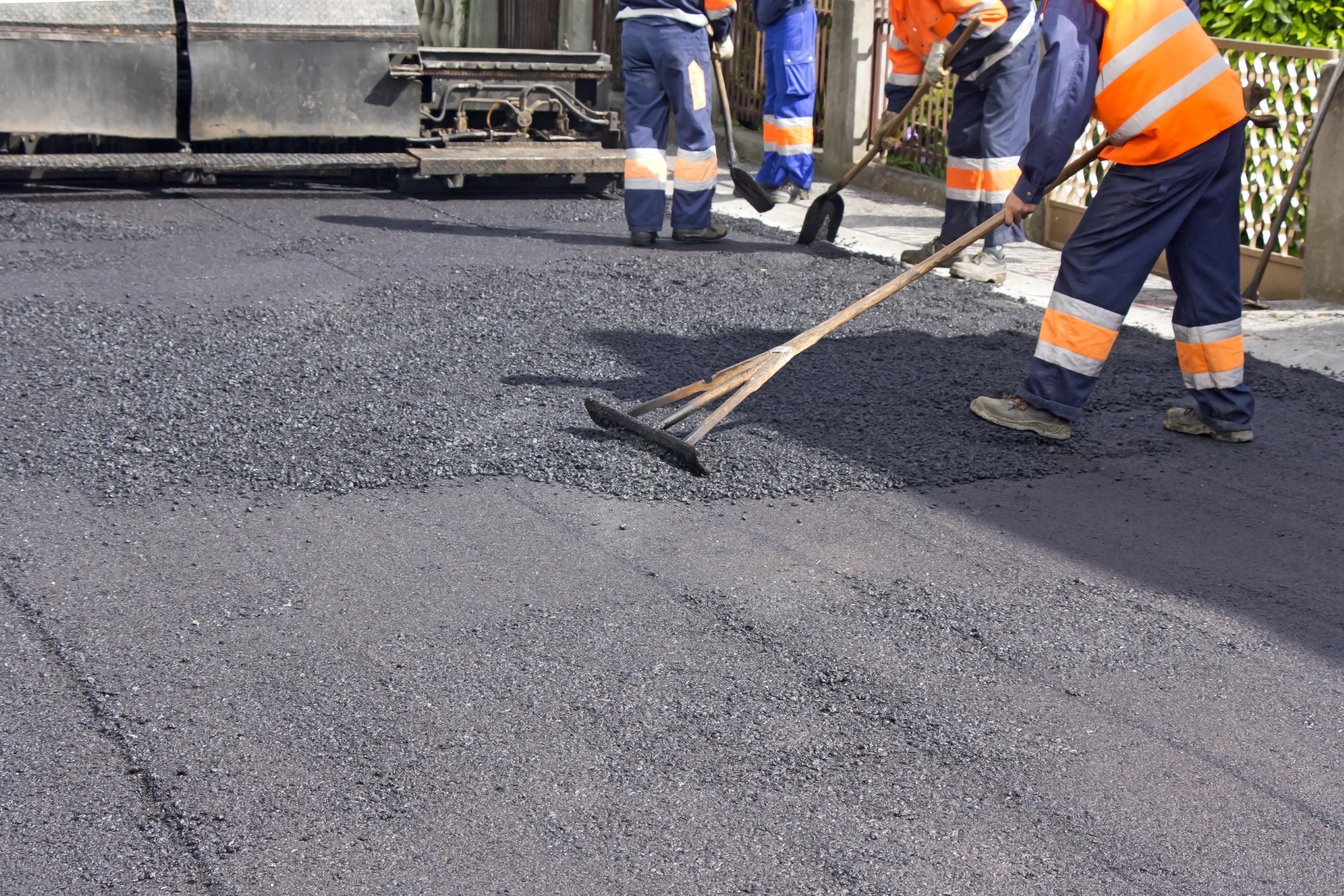
Asphalt is made of aggregate materials (sand, rocks, and gravel) and bitumen, a viscous, petroleum-based, waterproof substance. These materials are mixed together at extremely high temperatures to form asphalt.
The Washington, IN homeowners’ guide to asphalt driveway services
From average costs to expert advice, get all the answers you need to get your job done.
Learn how to find a top-rated asphalt driveway sealing pro by checking credentials and asking the right questions to ensure your pavement is protected.
Adding a new asphalt driveway to your home can boost its overall appearance and give homeowners a nice ROI down the line. But how long do asphalt driveways last, and what can you do to maximize their lifespans? Read this guide to find out.