


Top-rated asphalt driveway pros.

Get matched with top asphalt driveway pros in Saint Anthony, IN

Enter your zip and get matched with up to 5 pros

Need a pro for your asphalt driveway service project in Saint Anthony, IN?

Select your specific project to find the pro for you.

Find Asphalt driveway pros in Saint Anthony

Anthony's Custom Concrete
4.5(
29
)
Concrete Driveways - Install

Serving Saint Anthony, IN and surrounding areas

In business since 2014

Free estimates

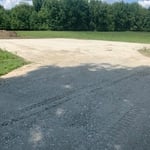
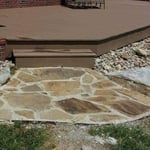
"Anthony was amazing! He was 100% professional in all aspects. He fulfilled EVERYTHING he said he would and more!! I absolutely love my new patio/porch and how he made it all tie in with my existing home!! He even spread the remaining gravel in my driveway without charging a penny more!!! Extremely honest and great to work with! True definition of 1000% integrity with his work... Highly recommend him to everyone!!! Sincerely, Maria Miller"
Response time8 hrs
Recommended by100%of homeowners

Avatar for B & A Sealcoating  and asphalt maintenance - Home  Facebook
B & A Sealcoating and asphalt maintenance - Home Facebook
4.1(
12
)
Asphalt Sealing

Serving Saint Anthony, IN and surrounding areas

In business since 2000

Free estimates

Credit card accepted

"B&A showed up on time and made quick work of our driveway. Brian provided us a good explanation of what the project required. Their price was the best out of the four companies we contacted and they fit conveniently into our schedule."
Lot matienced for franchise
A nice entry way
Handycaps before light poles
Lot
Lot

+32

Response time2 days
Recommended by100%of homeowners
...
Showing 1-10 of 52
Asphalt Driveways questions, answered by experts

Yes, a paved or repaved driveway can boost your home's value by increasing its curb appeal and the functionality of your outdoor space. A new driveway can add anywhere from $5,000 to $20,000 to a property's value. An old, crumbling driveway can be a red flag for potential buyers and inspectors.

The amount of value added depends on the materials used, the design, and local market conditions. Concrete is often cited as adding the most value due to its long lifespan, though asphalt may be more desirable in colder climates. The return on investment is greatest when replacing a driveway that is in poor condition; repaving a driveway that is already in good shape will not yield as significant an increase in value.

It’s best to weigh the pros and cons of each material and decide on your priorities for your driveway. Gravel won’t be an appropriate choice if your driveway experiences heavy traffic. You’ll find that you need to level and top it off regularly, which could make the material a much more expensive option.

Gravel is one of the few driveway materials that can handle rain the second it’s installed. Unlike asphalt, which needs days to set, or concrete, which requires weeks to cure, gravel is ready as soon as it’s compacted. It’s naturally permeable, allowing water to drain straight through—with no risk of pooling or surface damage. Gravel driveways are one of the most affordable, at $1 to $3 per square foot, and can also last upward of 100 years.

New asphalt goes through two stages: drying and curing. Drying typically takes 24 to 72 hours, after which the surface is solid enough for light use like walking or careful driving. While you may be able to park on it after 72 hours, the surface is still soft and should be treated gently. Full curing is a much longer process, taking anywhere from 30 days to a full year for the asphalt to reach maximum strength. During this extended curing period, the asphalt is susceptible to damage from heavy vehicles, sharp objects, and high temperatures. Factors like weather, the specific asphalt mix, and application thickness all influence drying and curing times. For the most accurate timeline and to ensure the longevity of your new asphalt, it is always best to consult with your installation contractor for their specific recommendations.

The dimensions of a driveway apron vary based on local building codes, the width of your driveway, and the distance between the driveway and the road. On average, aprons range from 12 to 24 feet wide and 8 to 18 feet long. Typically, the end of the apron connected to the driveway matches its width—such as 10 to 12 feet for a single-car driveway—while the end at the street flares out to allow cars to turn in and out more easily. In some areas, you may not be responsible for the portion of the apron that extends beyond the sidewalk, but this depends on local laws.

The Saint Anthony, IN homeowners’ guide to asphalt driveway services

From average costs to expert advice, get all the answers you need to get your job done.