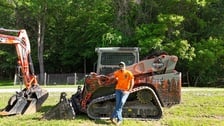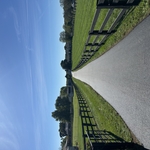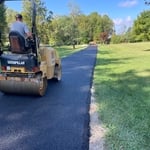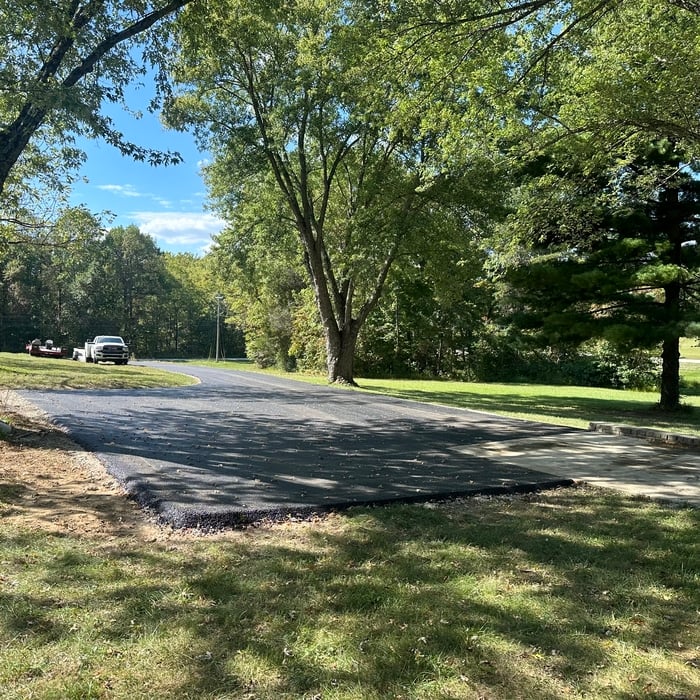






Top-rated paving pros.

Get matched with top paving pros in Salem, IN

Enter your zip and get matched with up to 5 pros

Need a pro for your paving service project in Salem, IN?

Select your specific project to find the pro for you.

Find Paving pros in Salem

Avatar for 711 Seal Coating
711 Seal Coating
4.0(
2
)
Asphalt Paving - Repair or PatchAsphalt Paving - Repair or Patch - For Business

Serving Salem, IN and surrounding areas

Approved

In business since 2022

Free estimates

Small jobs welcome

We take great pride in our experience, expertise, quality, and customer service that we provide to meet the consumer's needs. It is our mission to provide excellent workmanship and complete customer satisfaction from start to completion of a project. Our reputation is based on service, safety, and quality, regardless of how large or small the job.\n

Response time1 day
Response rate96%
Recommended by100%of homeowners
Showing 1-10 of 45
Paving Services questions, answered by experts

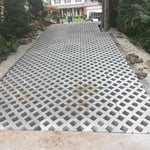
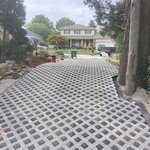
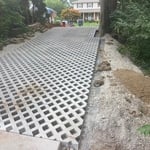
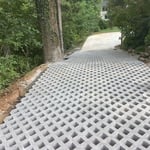
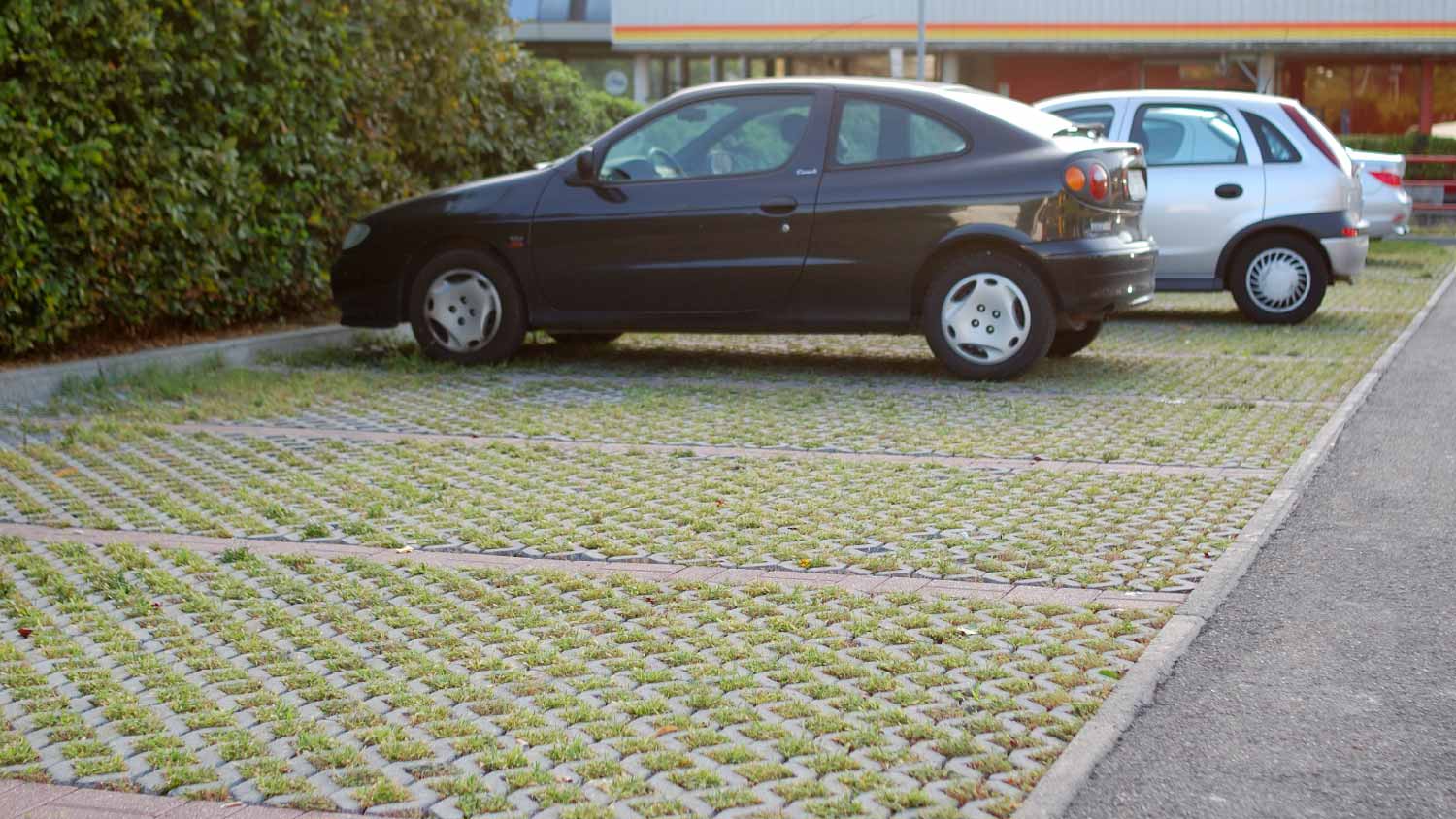
Professional installers often include a deep layer of crushed gravel under permeable pavers to allow more runoff to soak through into the soil below. Many installations will include multiple layers of gravel, with coarser aggregate at the base and finer aggregate that sits on top of that bottom layer. Above the gravel, you’ll often find coarse sand that helps reduce paver shifting over time. Some permeable paver designs include a water collection system set into the gravel layer to route runoff to a safe area for disposal.

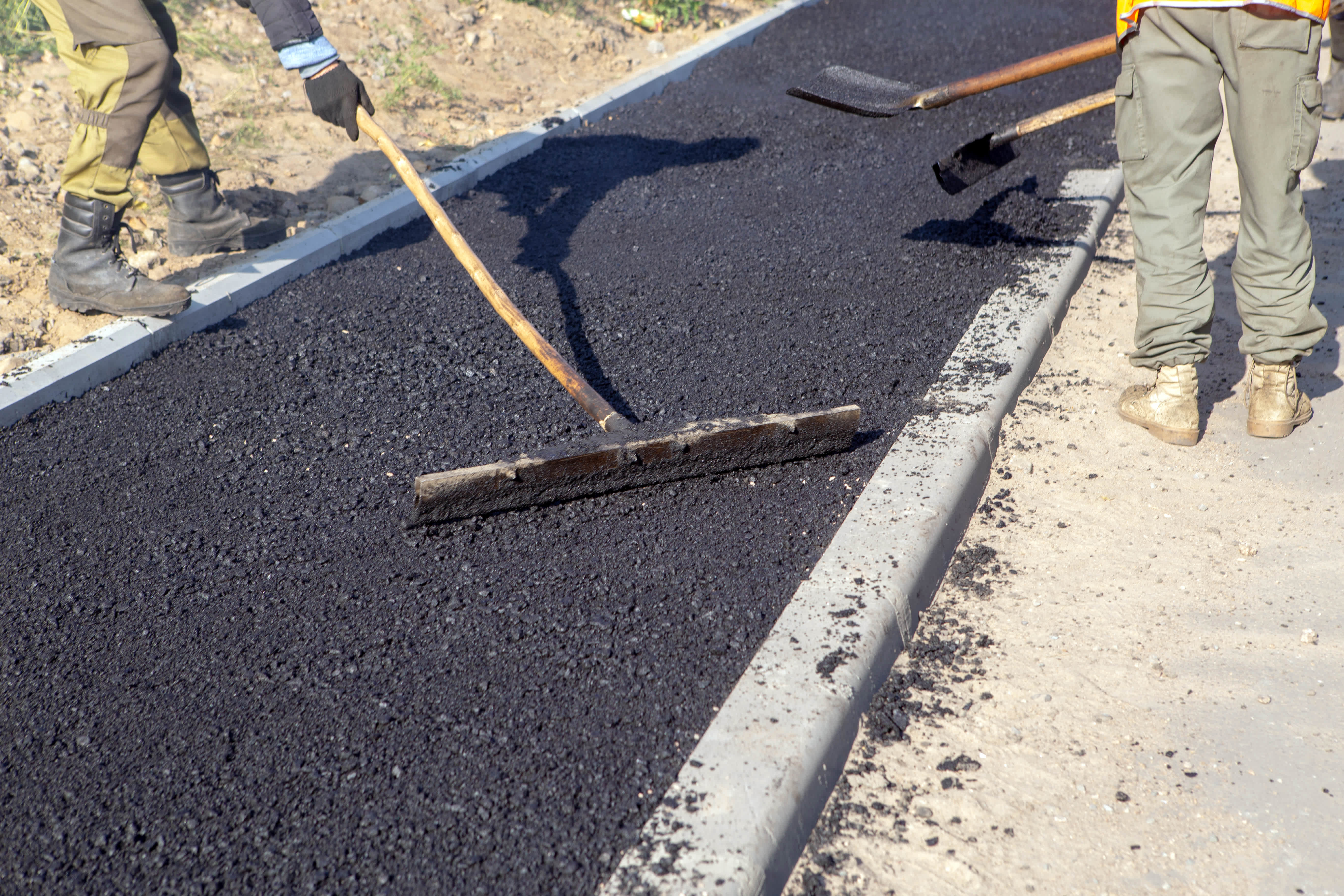
Asphalt and tarmac are not the same thing. Traditional tarmac, short for tarmacadam, uses tar as a binder to hold crushed stone together. Asphalt uses bitumen—a byproduct of crude oil—to bind aggregate. Though tarmac was once a go-to for roads, asphalt has become the modern standard. And these days, most surfaces referred to as “tarmac” are actually asphalt. So, while the names may overlap, the key distinction lies in the binder—tar for tarmac and bitumen for asphalt.

Yes, with colored finishes and decorative stamping for a personalized touch.

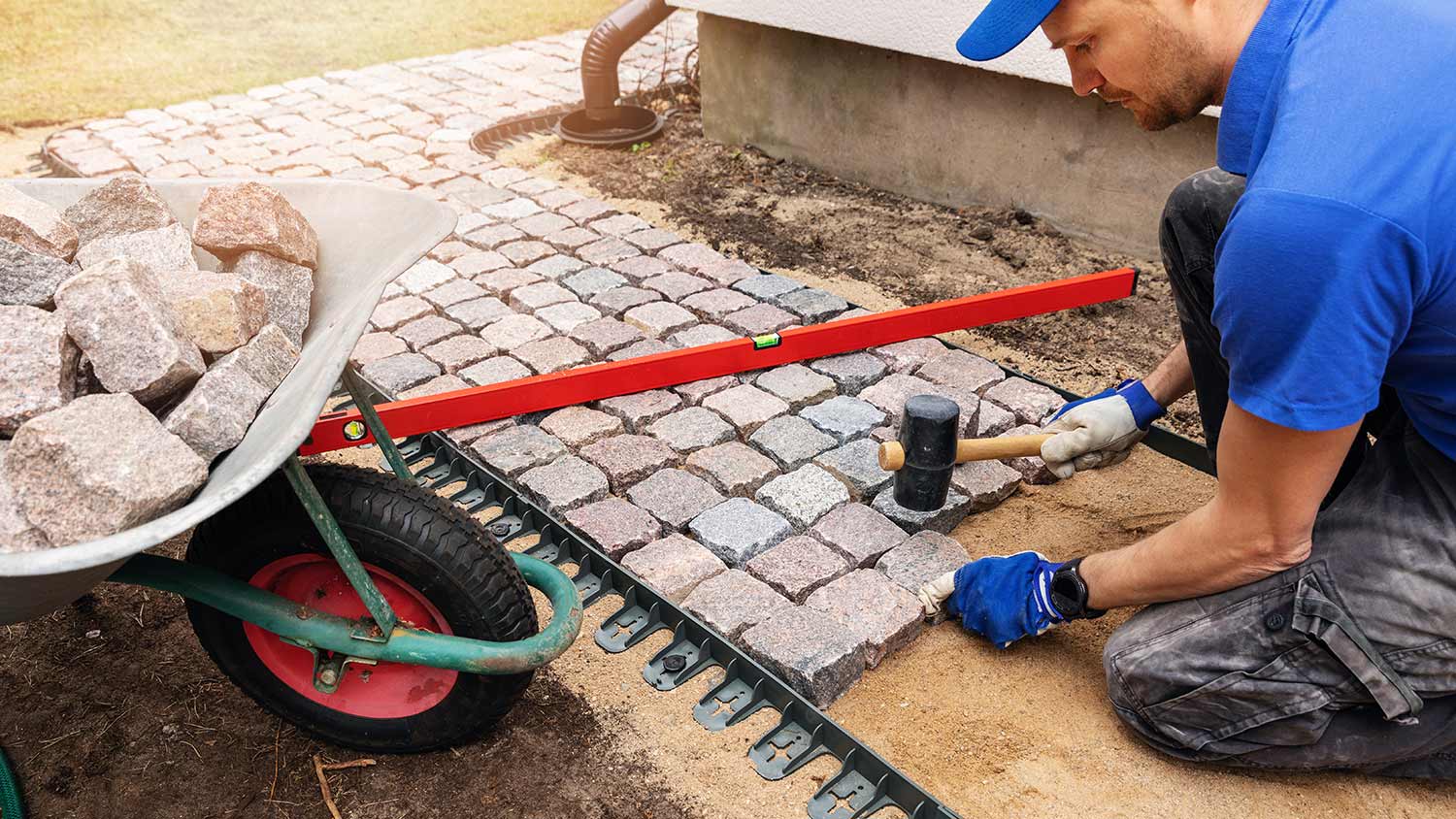
Yes, you should lightly wet the sand with a hose before laying the pavers on top. This activates the bonding agents in the sand, ensuring that your pavers don’t shift around during the installation process. However, you should make sure that the sand is not soaked; overwatering can cause the sand and pavers to not set properly.

Although you could try to lay stepping stones directly over grass, which speeds up the installation process significantly, this method often leads to a poor result over time. Even heavy paver stones will eventually slide or shift on top of the grass. Digging into the ground and following the steps we listed is the best way to lay stepping stones for a long-lasting result.

The Salem, IN homeowners’ guide to paving services

From average costs to expert advice, get all the answers you need to get your job done.