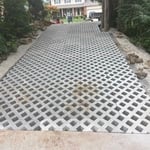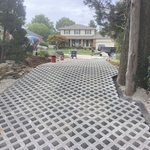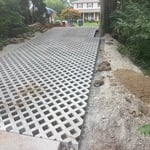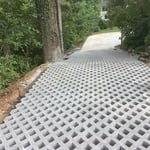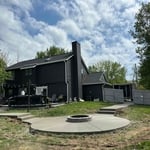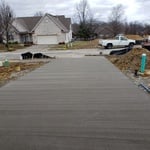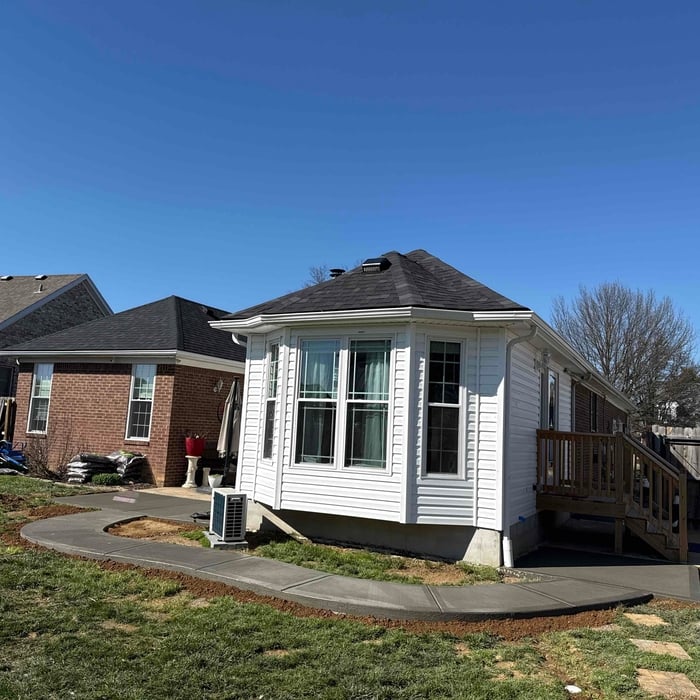


Top-rated paving pros.

Best paving pros near Borden, IN

Enter your zip and get matched with up to 5 pros

Need a pro for your paving service project in Borden, IN?

Select your specific project to find the pro for you.

TRUSTED BY BORDEN, IN HOMEOWNERS

  • Average homeowner rating star icon4.1
    Average homeowner rating
  • Verified reviews icon20
    Verified paving services reviews

Top-Rated Paving pros in Borden - Updated Nov 2026

Avatar for Advanced Grounds Maintenance, LLC
Advanced Grounds Maintenance, LLC
4.9(
20
)
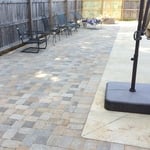
Interlocking Pavers for Patios, Walks & Steps - Install

Serving Borden, IN and surrounding areas

Approved

In business since 1996

Free estimates

Warranties offered

"I've battled with our sprinkler system for over a decade and had real difficulty getting anyone to actually see if everything was functioning like it was supposed to. Then Casey and his guys came over and in less than an hour had the system working better than new! And they took the time to explain everything to me! These guys are FANTASTIC!!! Wish I'd found them a decade ago!"
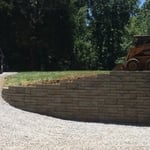
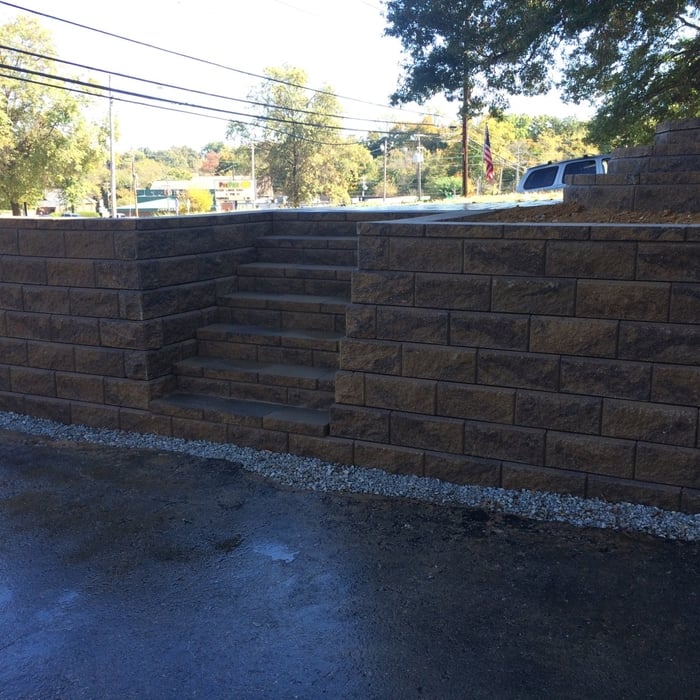
Finished Wall
Completed
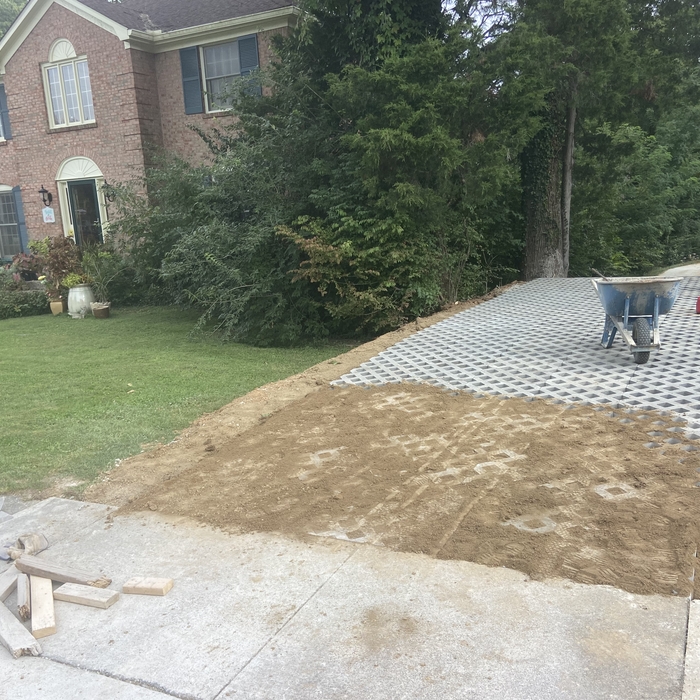
Before Exit From Home to Parking
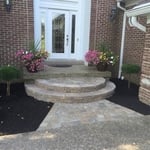
Completed Steps w/Landscape Install
Retaining Wall & Steps

+38

Response time10 hrs
Recommended by100%of homeowners
Avatar for 711 Seal Coating
711 Seal Coating
4.0(
2
)
Asphalt Paving - Repair or PatchAsphalt Paving - Repair or Patch - For Business

Serving Borden, IN and surrounding areas

Approved

In business since 2022

Free estimates

Small jobs welcome

We take great pride in our experience, expertise, quality, and customer service that we provide to meet the consumer's needs. It is our mission to provide excellent workmanship and complete customer satisfaction from start to completion of a project. Our reputation is based on service, safety, and quality, regardless of how large or small the job. \n
Response time1 day
Response rate96%
Recommended by100%of homeowners
...
Showing 1-10 of 75
Paving Services FAQs, answered by experts

While blacktop is a type of asphalt, the terms should not be used interchangeably, as not all asphalt qualifies as blacktop. The primary differences are in their composition, production process, and ideal applications. Blacktop contains more stone than other types of asphalt and is heated to a higher temperature during production—300°F or more—while hot-mix asphalt is heated to between 275°F and 300°F. The ratio of bitumen (a tar-like crude oil) is a key differentiator, though sources vary: some state blacktop has less bitumen, making it less durable, while others claim it has a higher ratio. Due to these differences, asphalt is generally more durable and better for high-traffic areas like highways and streets, while blacktop is more suitable for playgrounds and residential driveways. For a driveway project, it is best to consult a professional to determine the most appropriate material.

The dimensions of a driveway apron vary based on local building codes, the width of your driveway, and the distance between the driveway and the road. On average, aprons range from 12 to 24 feet wide and 8 to 18 feet long. Typically, the end of the apron connected to the driveway matches its width—such as 10 to 12 feet for a single-car driveway—while the end at the street flares out to allow cars to turn in and out more easily. In some areas, you may not be responsible for the portion of the apron that extends beyond the sidewalk, but this depends on local laws.

An asphalt driveway should be at least 3 inches thick over a compacted gravel base. Areas with poor drainage should have a thicker stone base. To install a new asphalt driveway over an existing driveway, the new asphalt should be at least 2 inches thick and the existing driveway should be in relatively good condition.

Yes, but it's best to kill off the grass with solarization and remove the dead plant matter before laying down the pavers. This helps limit the chance of your pavers shifting as the dead plant matter decomposes.

Asphalt and tarmac are not the same thing. Traditional tarmac, short for tarmacadam, uses tar as a binder to hold crushed stone together. Asphalt uses bitumen—a byproduct of crude oil—to bind aggregate. Though tarmac was once a go-to for roads, asphalt has become the modern standard. And these days, most surfaces referred to as “tarmac” are actually asphalt. So, while the names may overlap, the key distinction lies in the binder—tar for tarmac and bitumen for asphalt.

The Borden, IN homeowners’ guide to paving services

From average costs to expert advice, get all the answers you need to get your job done.