

Top-rated concrete mudjacking pros.

Get matched with top concrete mudjacking pros in Saint Anthony, IN

Enter your zip and get matched with up to 5 pros

Need a pro for your concrete mudjacking project in Saint Anthony, IN?

Select your specific project to find the pro for you.

Find Concrete mudjacking pros in Saint Anthony

Avatar for American Basement Solutions
American Basement Solutions
4.3(
46
)

Serving Saint Anthony, IN and surrounding areas

In business since 1992

Credit card accepted

"Work went well. Crew arrived when scheduled and on time. Seemed very professional, friendly, and conscientious. They showed me what they were doing and how the piers would be installed. I gathered 5 quotes for the job and they were the most professional/competitive of everyone I spoke with and I was not disappointed. Only minor complaint would be that it seemed the grading on the back fill was left a bit high. I was told it would settle, but I doubt it will settle that much. Not a big deal--I would still highly recommend them."
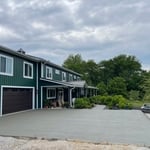
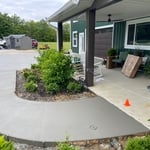
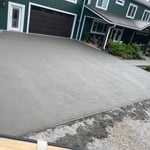
Additional Photos
Additional Photos
Additional Photos
Recommended by85%of homeowners
Showing 1-10 of 13
Concrete Mudjacking questions, answered by experts

It’s best not to perform mudjacking in the winter unless the ground temperature remains above freezing. Freezing temperatures can cause the slurry to harden too quickly, compromising its strength and longevity. Concrete is also more susceptible to cracking and splitting in cold temperatures, so there’s a higher risk of damaging the slab during the drilling and lifting process in winter.

Polyjacking and mudjacking can both be effective solutions for sinking concrete, but they have key differences. Polyjacking, which uses expanding polyurethane foam, is often considered a better option because the foam is significantly lighter than the cementitious material used for mudjacking. This reduced weight puts less pressure on the underlying soil and lowers the risk of future sinking. Polyjacking is suitable for any sinking concrete slab, while mudjacking is typically only recommended for non-structural concrete, such as sidewalks, patios, pool decks, and driveways. The primary drawback of polyjacking is its cost, which can be up to four times higher than mudjacking—as much as $25 per square foot compared to a maximum of about $6 per square foot for mudjacking.

On average, a mudjacking repair lasts between five and 10 years, though it can sometimes last for well beyond a decade under ideal conditions. Its longevity depends heavily on several factors, including the condition of the underlying soil, environmental conditions like freeze/thaw cycles and erosion, and whether the root cause of the sinking, such as drainage issues, is resolved. Because it doesn't always fix the underlying problem of loose soil, mudjacking is often considered a temporary solution. Proper maintenance and evaluation can help extend its lifespan.

Mudjacking can be an expensive foundation repair process, but in many cases, it’s well worth the investment. This is especially true if you’re lifting a portion of sunken foundation slab back into place. In that case, mudjacking can help avoid major structural damage and even home collapse by restoring the integrity of your structure with minimally invasive procedures. Mudjacking a concrete patio, walkway, or sidewalk can be worthwhile because it removes tripping hazards and makes your outdoor area more aesthetically appealing.

The timeframe is generally a few hours, allowing for immediate use post-hydration, ensuring minimal disruption to surrounding activities.

The Saint Anthony, IN homeowners’ guide to concrete mudjacking services

From average costs to expert advice, get all the answers you need to get your job done.