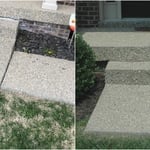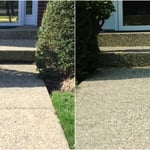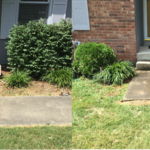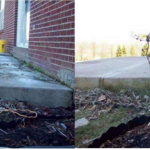
Top-rated concrete mudjacking pros.

Best concrete mudjacking pros near French Lick, IN

Enter your zip and get matched with up to 5 pros

Need a pro for your concrete mudjacking project in French Lick, IN?

Select your specific project to find the pro for you.

Top-Rated Concrete mudjacking pros in French Lick - Updated Nov 2026

Avatar for American Basement Solutions
American Basement Solutions
4.3(
46
)
Concrete - Injection Leveling - MudjackingConcrete - Injection Leveling - Mudjacking - For Business

Serving French Lick, IN and surrounding areas

In business since 1992

Credit card accepted

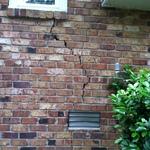
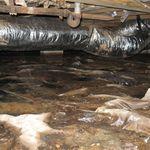
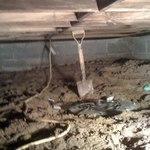
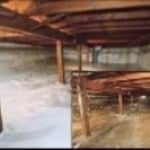
"It was a small job. They sealed the vents to the crawlspace, then, since there was already solid insulation panels on the walls, put a vapor/moisture barrier, in the form of a tarp, 4 feet wide and as long needed, completely around the crawlspace. It was then sealed to the walls with "nails" and adhesive. This seals the wood frame of the house from the 'Outside", the ground, which is the floor of the crawlspace. A 20 mil thick, quite heavy, "floor" was installed, also in the form of a tarp, It went up the walls about 3 feet and was taped to the 'tarp" on the walls, using a tape made for this application. The piers were wrapped with the same stuff and taped to seal the inside from the outside. the "floor" is also a vapor/moisture barrier, but, heavy enough to walk on if needed. This basically makes the crawlspace another room, rather than the outside. Our house is one year old and was already getting mold on the floor joists. Since the air in the crawlspace will now be heated in the winter and cooled in the summer, just like the rest of the house, the mold and cold (52 degrees) floors we experienced last winter will hopefully be eliminated. We shall see when dumb winter gets here."
Additional Photos
Additional Photos
Additional Photos
Recommended by85%of homeowners
Showing 1-10 of 16
Concrete Mudjacking FAQs, answered by experts

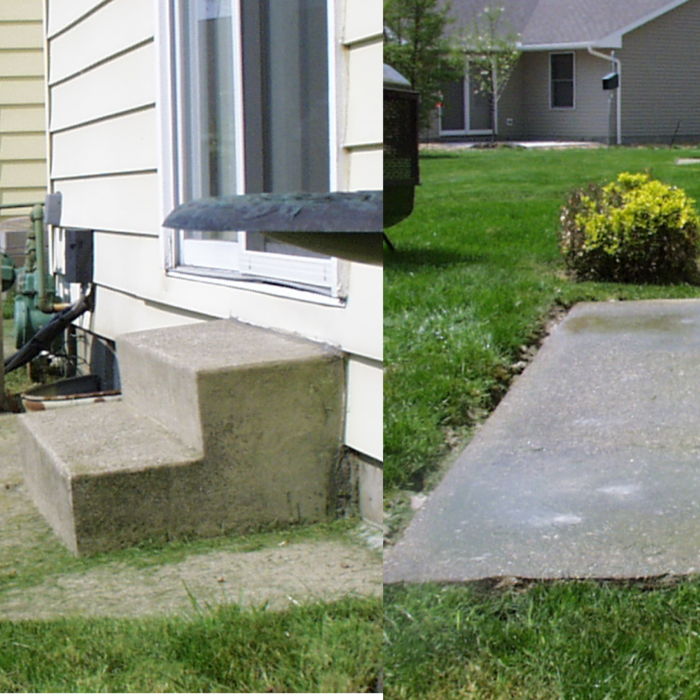
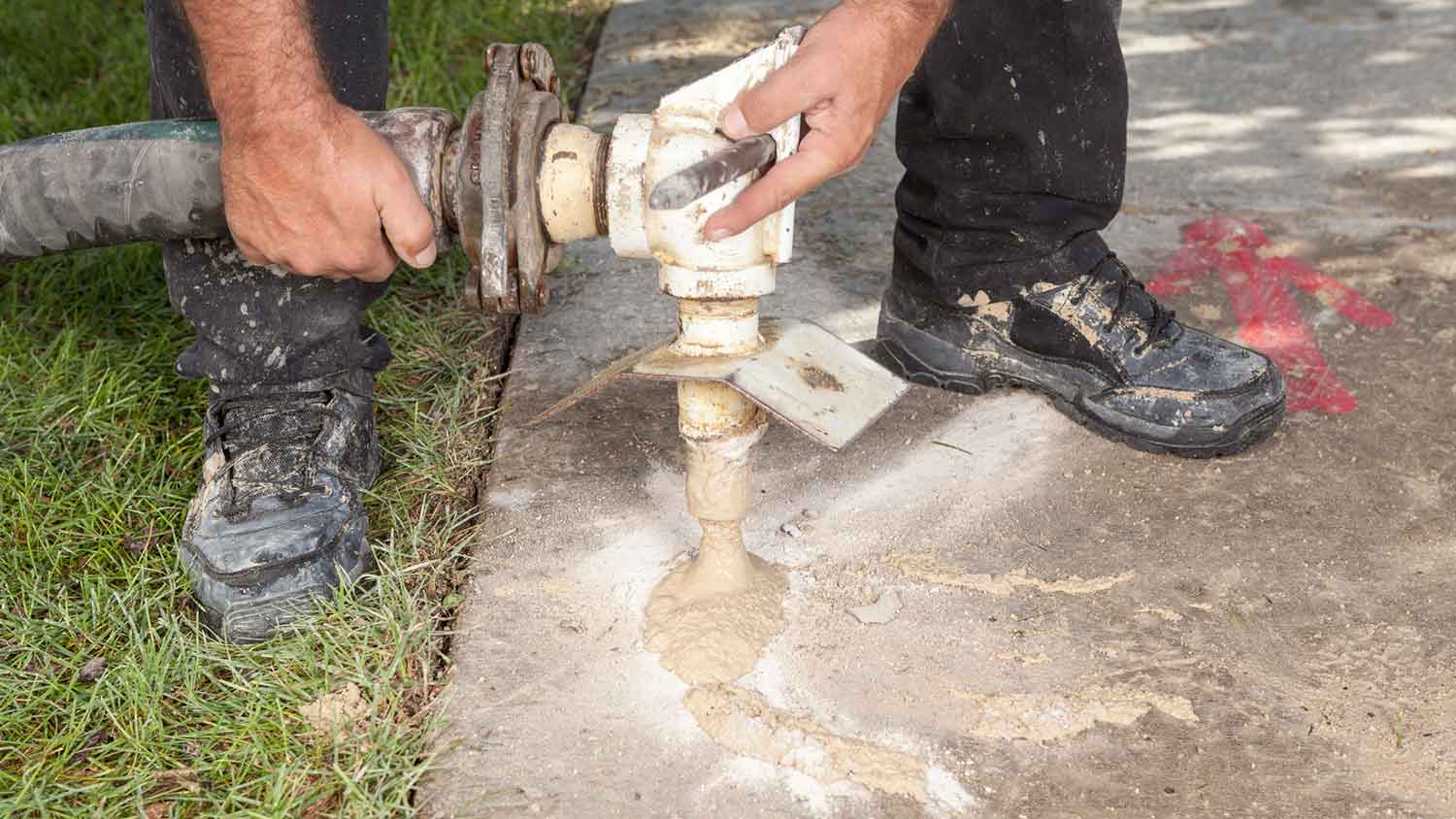
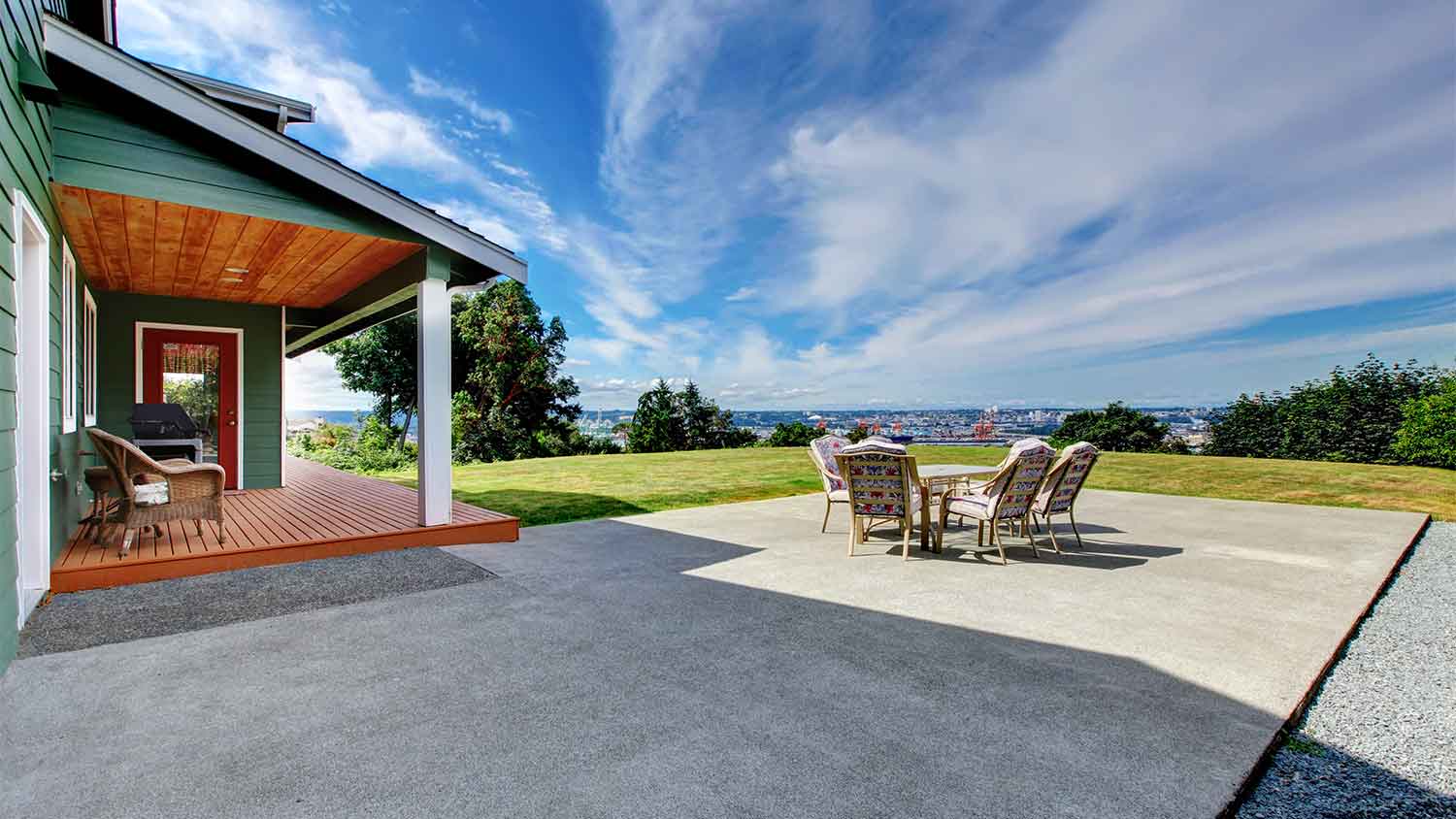
Mudjacking is usually reserved for light-duty slabs, like patios, driveways, and sidewalks. However, it can be an effective way to lift garage slabs and concrete around the perimeter of the home, which could harm your foundation if it’s not done properly. The risk of damage is why having a professional mudjacking company carry out the work is important. This type of slab or foundation repair is relatively inexpensive, especially if you consider that a DIY job requires that you pay to rent the necessary equipment.

Trenching and boring are two distinct methods for installing underground utilities. Trenching involves digging a channel using equipment like an excavator, trencher, backhoe, or shovel. While it is a simpler process, it causes significant disruption to the surface, landscaping, and surrounding ecosystems.

Boring, also known as directional boring, is a less invasive alternative that uses a drill to create a tunnel for utility lines without disturbing the surface. This method is more precise and is ideal for installations that need to go underneath buildings, roads, or bodies of water. Although boring is less disruptive, it is generally more expensive than trenching.

There is no real alternative to underpinning, although mudjacking and polyjacking are other repair methods that can add support from underneath your foundation. Rather than placing supportive piers under your structure, these involve pumping a material under your slab to lift a sunken section back into its original position. Polyjacking, in particular, is sometimes a suitable solution for stabilization issues under slab foundations, but underpinning is often accepted as the best and most permanent solution.

Polyjacking and mudjacking can both be effective solutions for sinking concrete, but they have key differences. Polyjacking, which uses expanding polyurethane foam, is often considered a better option because the foam is significantly lighter than the cementitious material used for mudjacking. This reduced weight puts less pressure on the underlying soil and lowers the risk of future sinking. Polyjacking is suitable for any sinking concrete slab, while mudjacking is typically only recommended for non-structural concrete, such as sidewalks, patios, pool decks, and driveways. The primary drawback of polyjacking is its cost, which can be up to four times higher than mudjacking—as much as $25 per square foot compared to a maximum of about $6 per square foot for mudjacking.

Mudjacking is suitable for sidewalks, driveways, patios, and nearly all exterior flat structures. However, it may not suit severely damaged or heavily cracked areas.

The French Lick, IN homeowners’ guide to concrete mudjacking services

From average costs to expert advice, get all the answers you need to get your job done.