
Top-rated concrete mudjacking pros.

Best concrete mudjacking pros near Depauw, IN

Enter your zip and get matched with up to 5 pros

Need a pro for your concrete mudjacking project in Depauw, IN?

Select your specific project to find the pro for you.

Top-Rated Concrete mudjacking pros in Depauw - Updated Nov 2026

Avatar for American Basement Solutions
American Basement Solutions
4.3(
46
)
Concrete - Injection Leveling - MudjackingConcrete - Injection Leveling - Mudjacking - For Business

Serving Depauw, IN and surrounding areas

In business since 1992

Credit card accepted

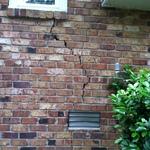
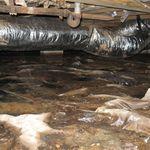
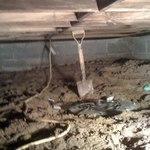
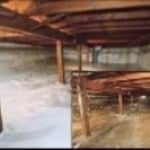
"It was a small job. They sealed the vents to the crawlspace, then, since there was already solid insulation panels on the walls, put a vapor/moisture barrier, in the form of a tarp, 4 feet wide and as long needed, completely around the crawlspace. It was then sealed to the walls with "nails" and adhesive. This seals the wood frame of the house from the 'Outside", the ground, which is the floor of the crawlspace. A 20 mil thick, quite heavy, "floor" was installed, also in the form of a tarp, It went up the walls about 3 feet and was taped to the 'tarp" on the walls, using a tape made for this application. The piers were wrapped with the same stuff and taped to seal the inside from the outside. the "floor" is also a vapor/moisture barrier, but, heavy enough to walk on if needed. This basically makes the crawlspace another room, rather than the outside. Our house is one year old and was already getting mold on the floor joists. Since the air in the crawlspace will now be heated in the winter and cooled in the summer, just like the rest of the house, the mold and cold (52 degrees) floors we experienced last winter will hopefully be eliminated. We shall see when dumb winter gets here."
Additional Photos
Additional Photos
Additional Photos
Recommended by85%of homeowners
Showing 1-10 of 23
Concrete Mudjacking FAQs, answered by experts

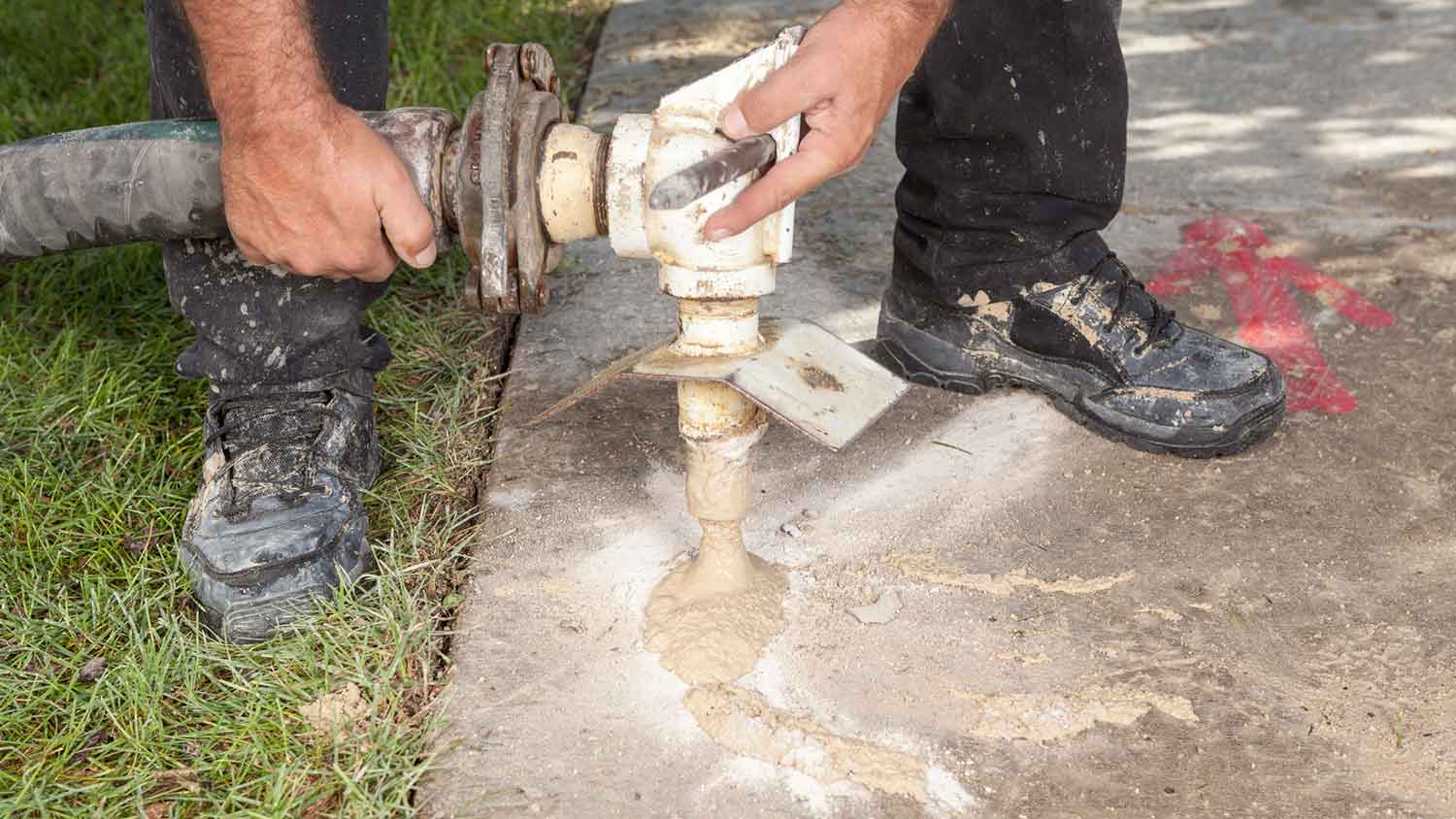
There is no real alternative to underpinning, although mudjacking and polyjacking are other repair methods that can add support from underneath your foundation. Rather than placing supportive piers under your structure, these involve pumping a material under your slab to lift a sunken section back into its original position. Polyjacking, in particular, is sometimes a suitable solution for stabilization issues under slab foundations, but underpinning is often accepted as the best and most permanent solution.
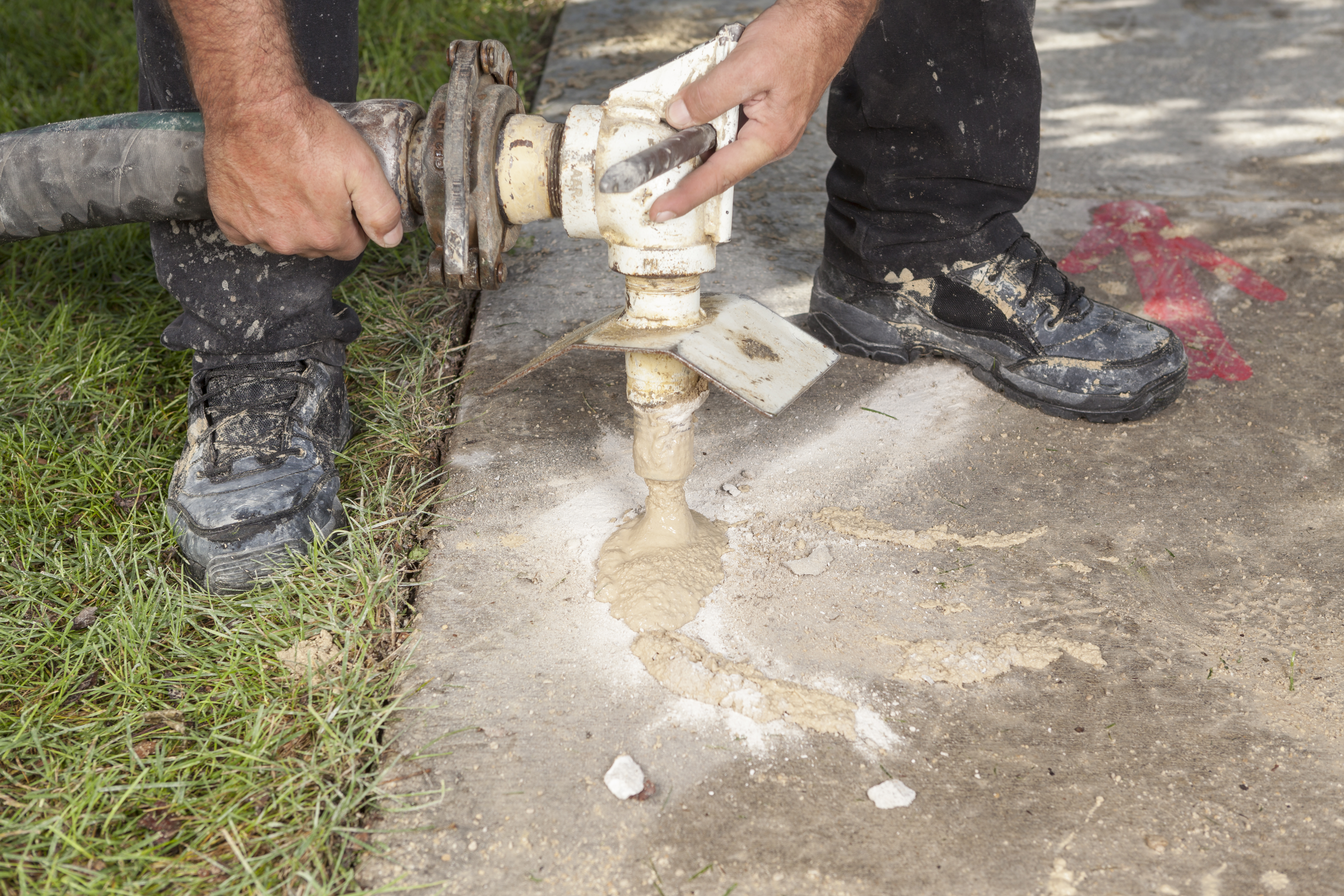
Mudjacking typically takes 24 to 72 hours (one to three days) to dry and cure completely before you can resume normal use. The exact time can vary depending on the size of the project. Because the slurry mixture contains cement, it must fully harden to ensure that added weight from walking, furniture, or vehicles won't shift the concrete slab. A professional contractor can advise you on when the surface is safe to use. For comparison, if you use polyjacking instead, the polyurethane foam can dry in just a few minutes, but it's best to wait about an hour before use.
Most states and municipalities don’t require concrete mudjacking companies to carry a specific license, but they usually need to have a general contractor’s license, and they should be fully insured. The only exception is if the mudjacking company provides foundation repairs as well, or if it offers mudjacking for home foundations. In that case, they will typically need a foundation repair contractor’s license. You can check state requirements and then use Angi’s license lookup tool to confirm that a company is properly licensed to provide mudjacking services in your area.

Polyjacking and mudjacking can both be effective solutions for sinking concrete, but they have key differences. Polyjacking, which uses expanding polyurethane foam, is often considered a better option because the foam is significantly lighter than the cementitious material used for mudjacking. This reduced weight puts less pressure on the underlying soil and lowers the risk of future sinking. Polyjacking is suitable for any sinking concrete slab, while mudjacking is typically only recommended for non-structural concrete, such as sidewalks, patios, pool decks, and driveways. The primary drawback of polyjacking is its cost, which can be up to four times higher than mudjacking—as much as $25 per square foot compared to a maximum of about $6 per square foot for mudjacking.

A good slump height really depends on the project, but there is a use for nearly all slump levels. For example, low slumps are best in projects that require structure, such as curbs and roads. High slumps often require additional reinforcement, but they flow more freely into hard-to-reach spaces.

The Depauw, IN homeowners’ guide to concrete mudjacking services

From average costs to expert advice, get all the answers you need to get your job done.