


Top-rated excavation pros.

Best excavation pros near New Haven, IN

Enter your zip and get matched with up to 5 pros

Need a pro for your excavation project in New Haven, IN?

Select your specific project to find the pro for you.

TRUSTED BY NEW HAVEN, IN HOMEOWNERS

  • Average homeowner rating star icon4.6
    Average homeowner rating
  • Verified reviews icon11
    Verified excavation services reviews

Top-Rated Excavation pros in New Haven - Updated Nov 2026

Avatar for Lawn Stars Landscaping, LLC
Lawn Stars Landscaping, LLC
4.0(
32
)
Landscape - Minor Grading or Resloping

Serving New Haven, IN and surrounding areas

Approved

In business since 2010

Free estimates

Customers say: Quick response

"Did a good job. Changed mow direction on each visit to avoid creating grow patterns. Trimmed everything and blew sidewalks and driveway clear. Very courteous employees. Highly recommend."
Before
After
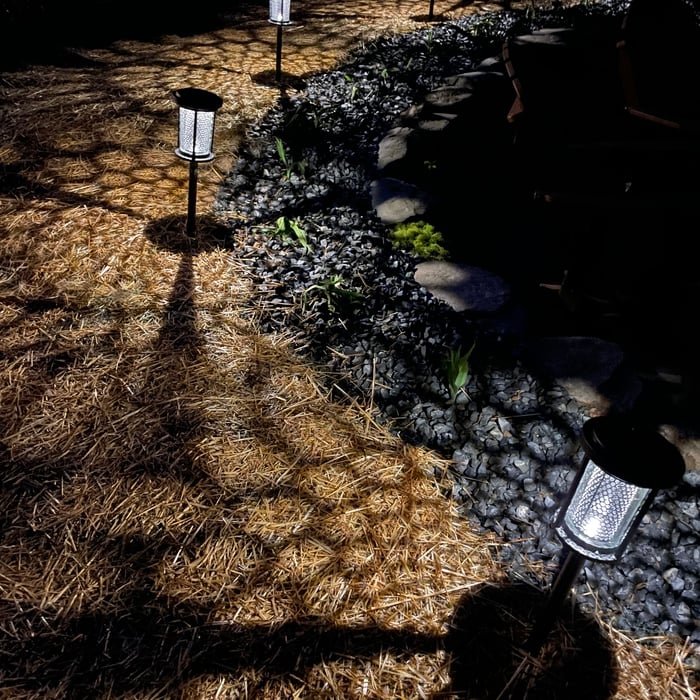
Landscape by Lawn Stars
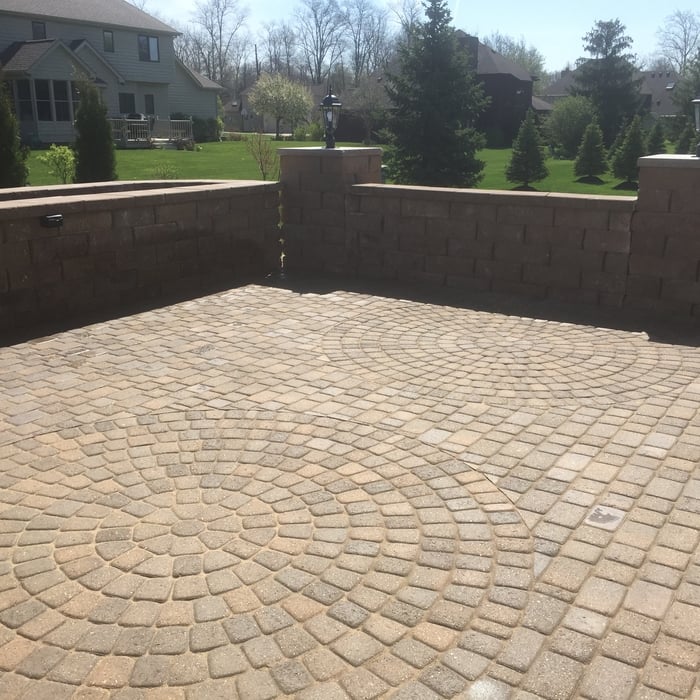
Patio by Lawn Stars
Patio by Lawn Stars

+9

Response time2 days
79 neighbors recently requested a quote

Recommended by95%of homeowners
Avatar for Williams Excavating
Williams Excavating
4.6(
11
)
Building Site - Preparation and ClearingExcavation - Major Grading or ReslopingLandscape - Minor Grading or Resloping

Serving New Haven, IN and surrounding areas

In business since 2020

Free estimates

Emergency services offered

"Jerry Williams of Williams Excavating did a great job on the serious drainage problem in my yard. He did what he said he would do, called when he said he would, and came when he said he would. I would use him again if I had another landscaping problem. Working with Jerry was a pleasant experience!"
Response time4 days
Recommended by100%of homeowners
...
Showing 1-10 of 79
Excavating FAQs, answered by experts

The best type of soil to build on is a mixture of sand and clay, known as loam soil. Loam soil has the best combination of these soil types to build a foundation on. The clay particles help with water retention, so it won’t erode like sandy soil might, and the sandy particles help with drainage, so you won’t see unsafe soil expansion or have an increased risk of leaks from water sitting against your foundation.

Excavation and grading are both generally necessary for designing your foundation, and leveling the ground where your foundation will go. These steps can also prepare the area by removing vegetation and anything else that could interfere with your home’s foundation.

The best way to protect tree roots is to avoid the roots entirely by excavating outside the root radius of the tree. For nearby projects, it’s a good idea to construct a temporary retaining wall. But that’s not always possible, depending on the project and the root system. In these cases, consider using alternative equipment like an auger to tunnel under the ground.

Remember, tree roots can damage nearby cement foundations as they grow. If a tree is close enough to interfere with large excavations, it may be better to remove the tree than risk future problems.

Your contractor should handle dust control during the project. It's best to speak with your contractor beforehand to check if they plan to cover your furniture, protect your vents, or use fans to redirect dust. Eliminating drywall dust is a particularly large challenge during construction, so always take this into account during your planning phase.

There is no standard depth for burying a septic tank; they are typically buried anywhere from 4 inches to 4 feet underground. The final depth depends on several factors, including the depth of your main sewer line, the height of the bedrock, soil type, local regulations, and the property's landscape. If you plan to grow grass or plants over the tank, a depth of at least 4 to 6 inches is recommended. Deeper tanks can be more difficult to locate, but a septic professional can help find it for you.

The New Haven, IN homeowners’ guide to excavation services

From average costs to expert advice, get all the answers you need to get your job done.