

Top-rated excavation pros.

Get matched with top excavation pros in Antwerp, OH

Enter your zip and get matched with up to 5 pros

Need a pro for your excavation project in Antwerp, OH?

Select your specific project to find the pro for you.

Find Excavation pros in Antwerp

Avatar for MR. MILLER CONCRETE LLC
MR. MILLER CONCRETE LLC
4.9(
32
)
Building Site - Preparation and ClearingBuilding Site - Preparation and Clearing - For BusinessExcavation - Major Grading or Resloping+1 more

Serving Antwerp, OH and surrounding areas

Approved

In business since 2022

Free estimates

Emergency services offered

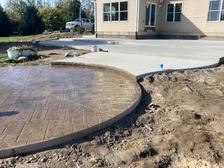
"Josh and his crew very professionally and friendly. I had old driveway and sidewalk removed, and new driveway and sidewalk replaced in under 6hrs . Josh always responding quickly with quotes and any questions I had. Very pleased with every aspect of the work they did and would definitely recommend."
Response time1 day
33 neighbors recently requested a quote
Recommended by96%of homeowners
...
Showing 1-10 of 55
Excavating questions, answered by experts

Yes. A metal detector is one of the quickest and easiest ways to find your septic tank. However, metal detectors can be too expensive (costing upward of $300 in some cases), and not everyone has a metal detector just lying around. If that’s the case for you, you can also take a long metal rod and poke it into the ground at regular intervals until you hit something—likely your septic tank lid.

There is no standard depth for burying a septic tank; they are typically buried anywhere from 4 inches to 4 feet underground. The final depth depends on several factors, including the depth of your main sewer line, the height of the bedrock, soil type, local regulations, and the property's landscape. If you plan to grow grass or plants over the tank, a depth of at least 4 to 6 inches is recommended. Deeper tanks can be more difficult to locate, but a septic professional can help find it for you.

The best type of soil to build on is a mixture of sand and clay, known as loam soil. Loam soil has the best combination of these soil types to build a foundation on. The clay particles help with water retention, so it won’t erode like sandy soil might, and the sandy particles help with drainage, so you won’t see unsafe soil expansion or have an increased risk of leaks from water sitting against your foundation.

In the United States, a depth of 36 inches (three feet) for underground water lines is the accepted industry standard. This depth varies from location to location based on local conditions. In areas with colder winters, they may be buried deeper to prevent frozen well water pipes : This is usually at least six inches below the frost level. The International Plumbing Code calls for a minimum of 12 inches below grade.

No, you typically cannot use metal detectors to find your sewer line. Most sewer lines are made of non-metallic materials such as PVC, clay, or cast iron, which are not detectable by standard metal detectors. Metal detectors are designed to locate metallic objects, so they won't be effective for identifying the path of a non-metallic sewer line. To locate your sewer line accurately, it's best to use other methods.

The Antwerp, OH homeowners’ guide to excavation services

From average costs to expert advice, get all the answers you need to get your job done.