



Top-rated radon detection and reduction specialists.

Get matched with top radon detection and reduction specialists in Mount Vernon, IN

Enter your zip and get matched with up to 5 pros

Need a pro for your radon detection and reduction project in Mount Vernon, IN?

Select your specific project to find the pro for you.

Find Radon detection and reduction specialists in Mount Vernon

Avatar for BreathSafe Radon and Moisture Control
BreathSafe Radon and Moisture Control
4.2(
9
)

Serving Mount Vernon, IN and surrounding areas

In business since 2023

Free estimates

Emergency services offered

"It went great! I have a home where the system was not easy to install, but they stayed until it was finished. A test kit was left to see if it was working properly, but they added that they would return if our radon wasn't lowered. IT WAS!! Money very well spent"
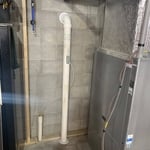
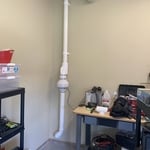
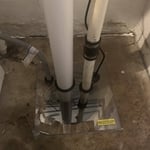
Additional Photos
Additional Photos
Additional Photos
Additional Photos
Additional Photos

+5

Recommended by85%of homeowners
Radon Detection and Reduction questions, answered by experts

No level of radon is technically safe, but since it is present everywhere, complete avoidance is impossible. The average radon level in homes across the United States is 1.3 picocuries per liter (pCi/L). The Environmental Protection Agency (EPA) recommends taking preventative measures if your home's radon levels are between 2 and 4 pCi/L or higher.

Your radon fan needs to operate 24/7 to be effective. The only time the fan isn't operating is during its replacement. Radon levels in the home can increase within hours if the fan stops working or something obstructs the stack vent. Fortunately, radon systems require no downtime maintenance between fan changes.

The average radon mitigation system uses about 876 kWh of electricity per year, although the exact amount of electricity used will vary depending on the size of the radon fan. Once the system is installed, the annual increase to your energy bill could range from $30 to $300 per year, again depending on the size of the fan.

Mitigation reduces radon levels, protecting your health and complying with safety standards.

You'll need to test your home for radon after installing the mitigation system, then again every two years. If radon remains elevated, contact a licensed radon professional, either the contractor who installed the system or a different one, and have them evaluate the system. They may need to make some changes to improve its effectiveness and performance.

The Mount Vernon, IN homeowners’ guide to radon detection and reduction services

From average costs to expert advice, get all the answers you need to get your job done.