


Top-rated radon detection and reduction specialists.

Best radon detection and reduction specialists near Newburgh, IN

Enter your zip and get matched with up to 5 pros

Need a pro for your radon detection and reduction project in Newburgh, IN?

Select your specific project to find the pro for you.

Top-Rated Radon detection and reduction specialists in Newburgh - Updated Nov 2026

Swat Group, Inc.
4.4(
152
)
Radon Gas - Abatement

Serving Newburgh, IN and surrounding areas

In business since 1988

Free estimates

Credit card accepted

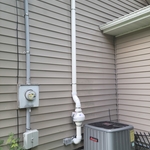
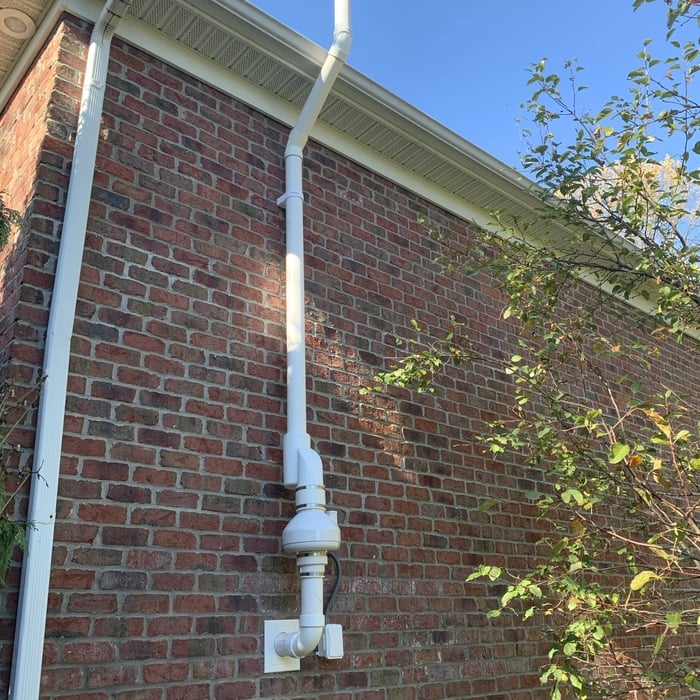
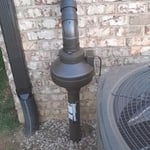
"Hired for the convienience of their timely ability to install a radon system. The vent on the outside of the house is a large diameter, circular chimney that is very unsightly. Prices were a bit higher than other companies, but their ability to install quickly took precedence. In SWATs defense, I did not inform the company of my displeasure as the system was being installed as a condition of sale."
Response time1 day
Recommended by94%of homeowners
Radon Detection and Reduction FAQs, answered by experts

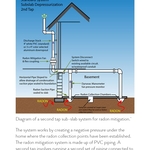
Ideally, no one will live in a house with elevated radon levels, as prolonged exposure increases the risk of serious health issues like lung cancer. However, homes with radon can be made safe through mitigation systems, such as active soil depressurization. Testing for radon regularly and addressing high levels helps ensure a safe living environment.

Mitigation reduces radon levels, protecting your health and complying with safety standards.

Radon detection is crucial as prolonged exposure to radon gas, a leading cause of lung cancer, poses significant health risks in residential environments.

The soil beneath your house is most likely what’s causing an increased level of radon. This is because soil holds radioactivity for a long time and it’s also what most buildings are built on. Another common source of radon is water from a source that hasn’t been through periodic radon tests, such as well water. Over time, the radon from the soil can inhabit other parts of your house like the foundation or plumbing.

No level of radon is technically safe, but since it is naturally present everywhere, it is impossible to avoid entirely. The average radon level in homes across the United States is 1.3 picocuries per liter (pCi/L). The Environmental Protection Agency (EPA) recommends taking action to reduce radon levels if your home's test results are between 2 and 4 pCi/L or higher.

The Newburgh, IN homeowners’ guide to radon detection and reduction services

From average costs to expert advice, get all the answers you need to get your job done.