

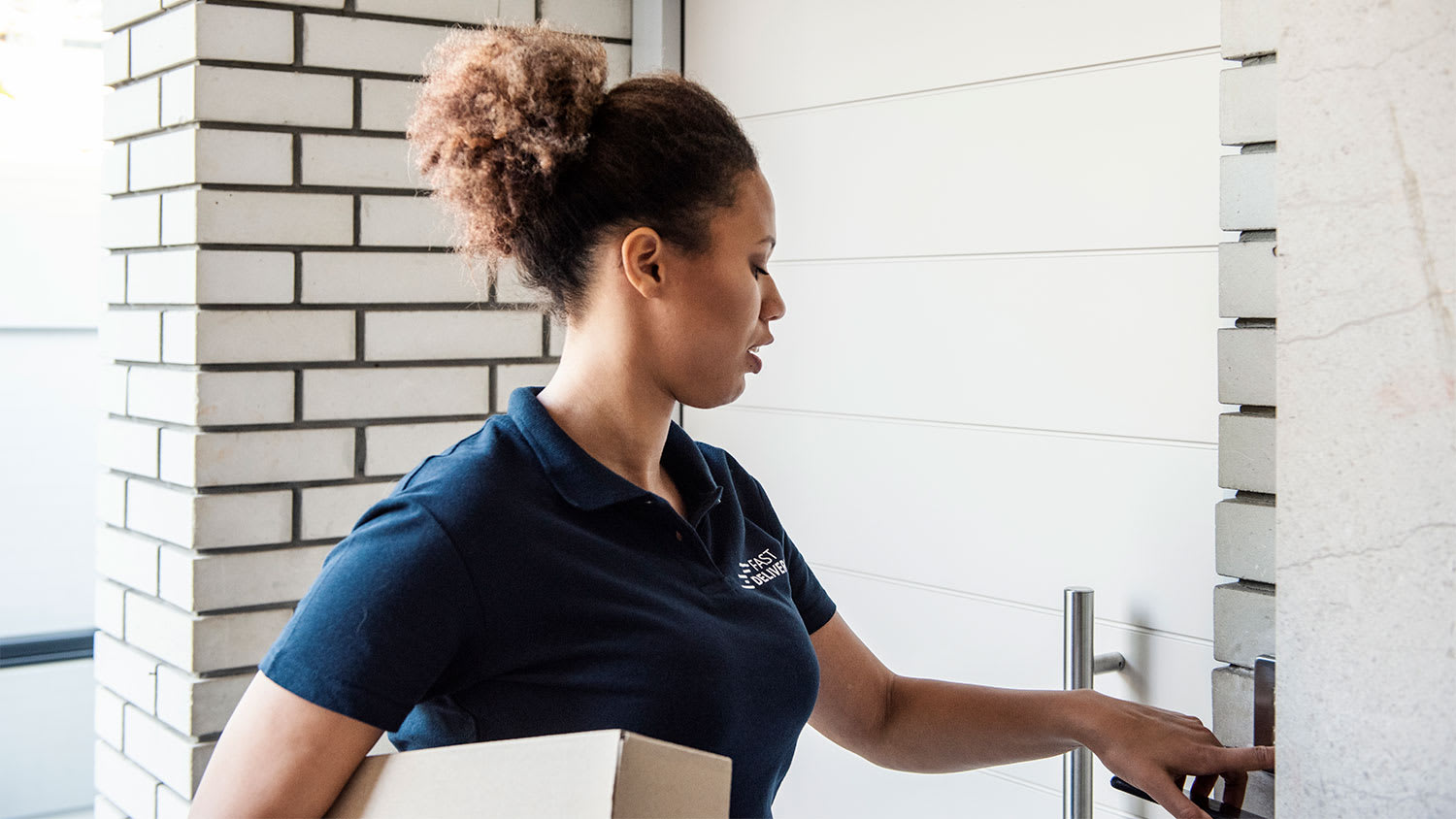
Top-rated doorbell installation pros.

Get matched with top doorbell installation pros in Mount Summit, IN

Enter your zip and get matched with up to 5 pros

Need a pro for your doorbell installation project in Mount Summit, IN?

Select your specific project to find the pro for you.

TRUSTED BY MOUNT SUMMIT, IN HOMEOWNERS

  • Average homeowner rating star icon4.4
    Average homeowner rating
  • Verified reviews icon150
    Verified doorbell installation services reviews

Find Doorbell installation pros in Mount Summit

No results for Doorbell installation pro in

Try adjusting your search criteria.
Doorbell Installation questions, answered by experts

If you need to insulate behind finished walls, the best option will likely be to have an insulation professional install blown-in insulation. The installation requires small holes cut in your wall, after which the installer can blow loose-fill insulation into the void. After the installation, you’ll have minor drywall patching, which shouldn’t cost more than $100. Compared to ripping down the existing drywall, using a different type of insulation, and replacing and finishing the drywall, this should save you hundreds or even thousands, depending on the size of the room you’re insulating.

Insulation can be easy to install, depending on the condition of your walls, but there are many safety considerations and potential challenges involved. For example, most types of insulation are made from materials that can cause irritation if inhaled or if they come into contact with your skin. Additionally, installing insulation incorrectly can actually make moisture issues in your home worse.

Yes, you can install insulation over ductwork, and doing so can save you money. Without insulation, the HVAC unit must work harder to force warm or cool air around the home, and once the air reaches the vent, it may not be the correct temperature. Insulating HVAC ducts makes your system work more efficiently, saving you money on heating and cooling bills.

While insulation is required for all exterior walls in a house, it is not typically required for interior walls. Local and state building codes mandate that new construction homes have adequate insulation in exterior walls and ceilings to suit the local climate.

However, there are several benefits to adding insulation to interior walls. It is excellent for sound-dampening between rooms and can help with temperature control by maintaining a regulated temperature in specific rooms and lowering heat transfer between adjacent areas. Insulating interior walls can also contribute to the overall energy efficiency of your home.

R-30 insulation is better for higher thermal resistance, but whether it’s "better" depends on the application. R-30 is much thicker and suited for areas like attics or floors in cold climates, where more insulation is required. R-13, on the other hand, is thinner and works well for 2x4 walls or milder climates where less insulation is sufficient. Choosing between R-13 and R-30 depends on the area being insulated and the climate. For example, R-30 provides more insulation but may not fit everywhere in your home.

The Mount Summit, IN homeowners’ guide to doorbell installation services

From average costs to expert advice, get all the answers you need to get your job done.