




Top-rated radon detection and reduction specialists.

Get matched with top radon detection and reduction specialists in Milltown, IN

Enter your zip and get matched with up to 5 pros

Need a pro for your radon detection and reduction project in Milltown, IN?

Select your specific project to find the pro for you.

Find Radon detection and reduction specialists in Milltown

Avatar for BreathSafe Radon and Moisture Control
BreathSafe Radon and Moisture Control
4.2(
9
)

Serving Milltown, IN and surrounding areas

In business since 2023

Free estimates

Emergency services offered

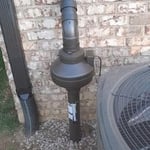
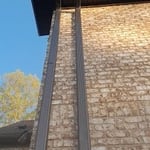
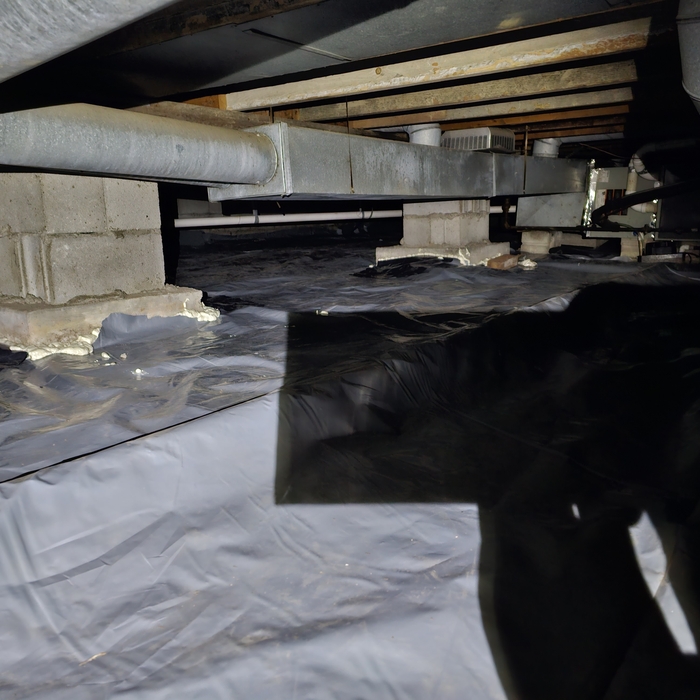
"It went great! I have a home where the system was not easy to install, but they stayed until it was finished. A test kit was left to see if it was working properly, but they added that they would return if our radon wasn't lowered. IT WAS!! Money very well spent"
Additional Photos
Additional Photos
Additional Photos
Additional Photos
Additional Photos

+5

Recommended by85%of homeowners
Radon Detection and Reduction questions, answered by experts

The soil beneath your house is most likely what’s causing an increased level of radon. This is because soil holds radioactivity for a long time and it’s also what most buildings are built on. Another common source of radon is water from a source that hasn’t been through periodic radon tests, such as well water. Over time, the radon from the soil can inhabit other parts of your house like the foundation or plumbing.

Many radon fans carry a five-year manufacturer's warranty. That said, your radon fan should last between five and ten years. Regular inspections will ensure the fan is operating properly. Unusual or exceptional noise coming from the fan or indications on your manometer or system monitor can immediately tell you that something is amiss.

While DIY testing is possible, abatement generally requires professional installation to ensure efficacy and meet safety standards.

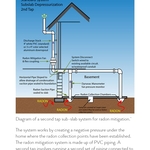
Radon enters your home when warm air begins to rise and exits through the roof, creating a vacuum that pulls cooler air from under the foundation. Part of that air is radon, which is an invisible, odorless gas that develops naturally when radioactive particles are deep within the ground. Those particles usually come from decaying matter in soil and rocks.

The natural breakdown of uranium in soil, rock, and water can cause radon to appear in a home. The gas seeps into homes through cracks in foundations, walls, or floors, as well as through gaps around pipes or construction joints. Radon levels are influenced by soil composition, building materials, and ventilation. Poorly sealed or airtight homes can trap radon, allowing it to accumulate.

The Milltown, IN homeowners’ guide to radon detection and reduction services

From average costs to expert advice, get all the answers you need to get your job done.

What do you need done? We’ll find top pros.
  • 🌱 "Mow a small front yard"
  • 🛠 "Fix a leaking pipe under the sink"
  • 🏠 "Repair shingles on an asphalt roof"