






Top-rated radon detection and reduction specialists.

Get matched with top radon detection and reduction specialists in Pekin, IN

Enter your zip and get matched with up to 5 pros

Need a pro for your radon detection and reduction project in Pekin, IN?

Select your specific project to find the pro for you.

Find Radon detection and reduction specialists in Pekin

Avatar for Radon Solutions of Southern Indiana
Radon Solutions of Southern Indiana
5.0(
15
)
Radon Gas - Testing

Serving Pekin, IN and surrounding areas

In business since 2021

Free estimates

Emergency services offered

"Ron from Radon Solutions of Southern Indiana arrived right when he said he would and cared enough to take the time and explain what he found from the test and all the solutions that we could use. From the initial appointment to when he left from putting in the mitigation system he was very personable and had great customer service. With his reasonable prices, customer service, and great final product I definitely recommend using his service to anyone else, in fact my own mother in law is getting a system installed by him in her new house she just moved into."
Foundation leak repair

+15

Response time8 hrs
Response rate90%
Recommended by92%of homeowners
Radon Detection and Reduction questions, answered by experts

The cost to replace a radon fan ranges from $300 to $600 for the fan itself, with installation adding an additional $200 to $500. Overall, the total cost for replacement can range from $500 to $1,100, depending on factors such as the fan model, home size, and local labor rates. If the fan is part of a larger radon mitigation system, the price may be higher.

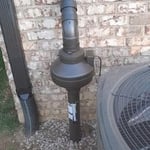
Your radon fan needs to operate 24/7 to be effective. The only time the fan isn't operating is during its replacement. Radon levels in the home can increase within hours if the fan stops working or something obstructs the stack vent. Fortunately, radon systems require no downtime maintenance between fan changes.

The soil beneath your house is most likely what’s causing an increased level of radon. This is because soil holds radioactivity for a long time and it’s also what most buildings are built on. Another common source of radon is water from a source that hasn’t been through periodic radon tests, such as well water. Over time, the radon from the soil can inhabit other parts of your house like the foundation or plumbing.

If high radon levels are detected, steps include sealing entry points, installing a mitigation system, and retesting the air regularly to ensure reduced levels.

You'll need to test your home for radon after installing the mitigation system, then again every two years. If radon remains elevated, contact a licensed radon professional, either the contractor who installed the system or a different one, and have them evaluate the system. They may need to make some changes to improve its effectiveness and performance.

The Pekin, IN homeowners’ guide to radon detection and reduction services

From average costs to expert advice, get all the answers you need to get your job done.