






Top-rated fencing pros.

Get matched with top fencing pros in Lynnville, IN

Enter your zip and get matched with up to 5 pros

Need a pro for your fencing service project in Lynnville, IN?

Select your specific project to find the pro for you.

Find Fencing pros in Lynnville

Avatar for All American Home Improvement, LLC
All American Home Improvement, LLC
4.0(
50
)
Chain Link Fence - InstallVinyl or PVC Fence - InstallWood Fence - Install+1 more

Serving Lynnville, IN and surrounding areas

In business since 2008

Free estimates

Credit card accepted

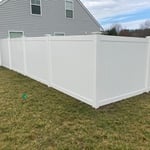
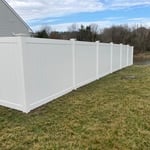
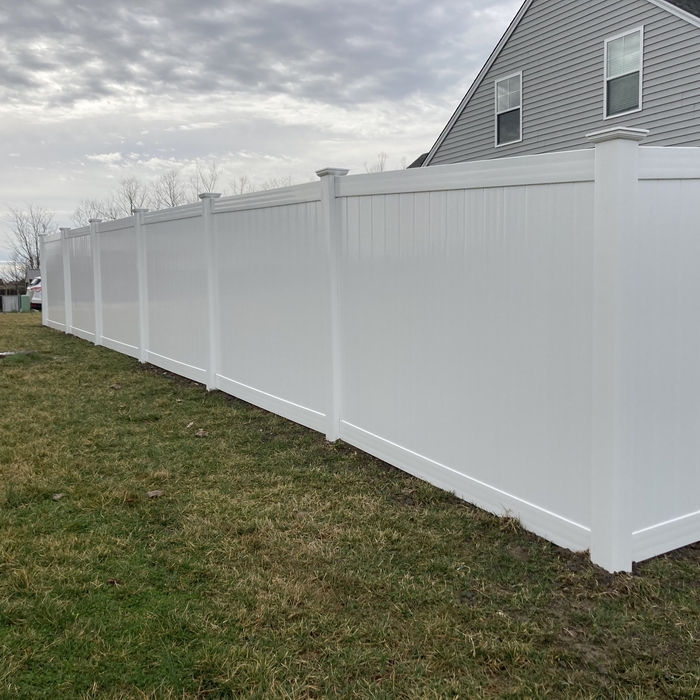
"Ricky an Dalton tore down old wooden fence, and did an excellent job no nails or debris left in the yard. They replaced it with a vinyl fence. They did a great job making the fence even and aligned which was difficult with the dips and slant of my yard. They were vert polite and professional. I canâ t say enough about the whole experience! Thanks! Mary Jane"
Deck
Deck 2020
White Privacy Vinyl
White Privacy Vinyl
White Privacy Vinyl

+22

Response time10 hrs
Recommended by86%of homeowners
...
Showing 1-10 of 51
Fencing questions, answered by experts

The ideal distance between fence posts depends on several factors, including the terrain, the purpose of the fence, and the material used. For different types of fences, here are some general guidelines:

  • Wood and Metal Fences: Posts should be spaced between 5 and 8 feet apart.

  • Vinyl Fences: Spacing can be between 6 and 8 feet.

  • Chain-Link, Mesh, or Lattice Fences: Posts can be set anywhere from 4 to 25 feet apart, with 4-10 feet being common for chain-link.

  • Wire Fences: Spacing can be up to 12 feet apart.

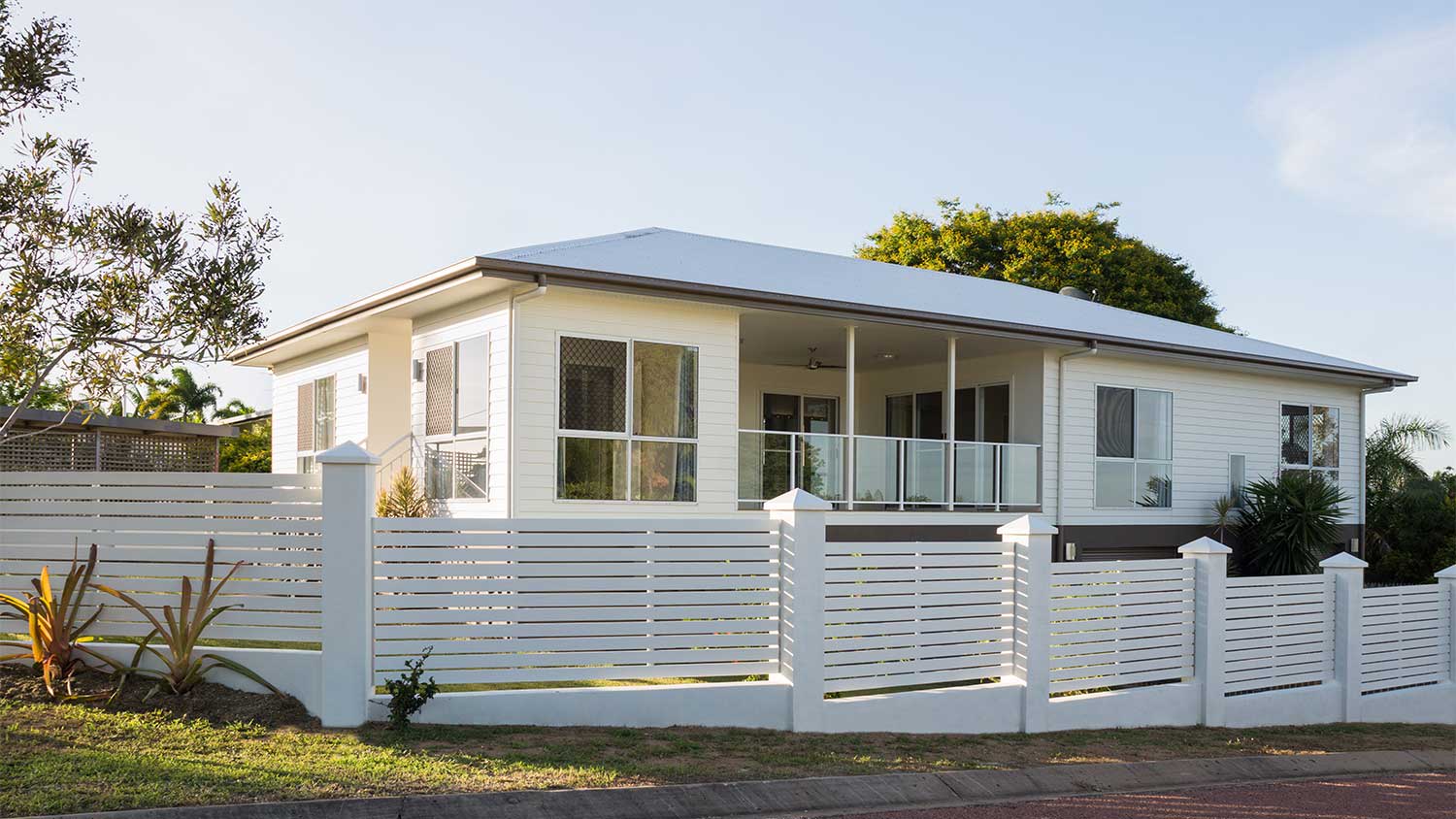
A horizontal fence is typically more expensive to build than a vertical fence, often costing between 10% and 20% more. The higher cost is due to the need for a higher grade of lumber and more posts to prevent the boards from sagging, which increases both material and labor expenses. Despite the higher price, horizontal fences tend to be more durable and offer a more distinct, modern look compared to the more common vertical picket style. However, they may not be the best option for privacy, as there can be slight gaps between the horizontal rails.

Yes, installing wrought iron fencing will usually require a building permit, as do all types of fencing. Building permits for wrought iron fencing typically cost between $150 and $500, and the price will vary based on where you live and how much your local building department charges. You may also need to pay for a property survey if you’re installing wrought iron fencing on your property line. This type of survey can cost around $500, but it prevents issues with building on neighboring properties, which can be much more expensive in the long run.

The lifespan of wire fencing heavily depends on factors like gauge, material, coating type, and environmental conditions. However, with proper maintenance, many wire fences last for 20 to 30 years. Coastal areas or regions with high rainfall may see reduced lifespans of 10 to 15 years due to increased corrosion risk.

The lifespan of a fence can range from 5 to 50 years, depending heavily on the material, local climate, and how well it is maintained. For example, a wooden fence might last 7 to 15 years, while a vinyl fence typically lasts 20 to 30 years. Metal, composite, and glass fences have some of the longest lifespans. Proper maintenance, such as regular cleaning, inspections, and staining or sealing for wood, is key to extending the life of any fence material. Vinyl and composite are durable options that don't require sealing.

The Lynnville, IN homeowners’ guide to fencing services

From average costs to expert advice, get all the answers you need to get your job done.