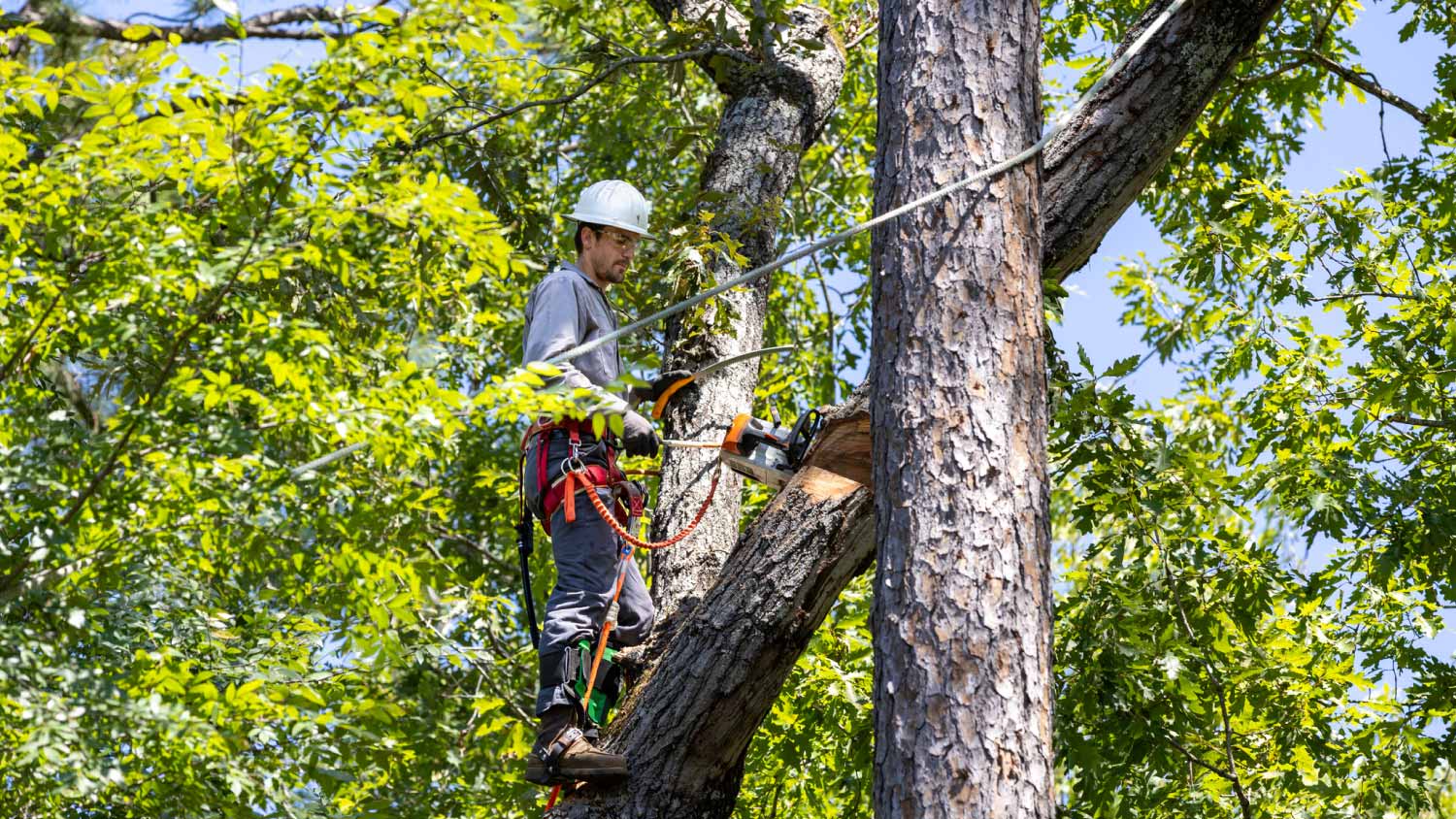


Top-rated arborists.

Get matched with top arborists in Hamilton, IN

Enter your zip and get matched with up to 5 pros

Need a pro for your arboricultural service project in Hamilton, IN?

Select your specific project to find the pro for you.

TRUSTED BY HAMILTON, IN HOMEOWNERS

  • Average homeowner rating star icon4.6
    Average homeowner rating
  • Verified reviews icon104
    Verified arboricultural services reviews

Find Arborists in Hamilton

Avatar for Oakenshield Property Services
Oakenshield Property Services
New to Angi
Tree RemovalTree Stump - RemoveTree Trimming

Serving Hamilton, IN and surrounding areas

Approved

Free estimates

Emergency services offered

Small jobs welcome

We are Oakenshield property services. We prioritize customer service and making quick and efficient work with everything we do. We do it all from junk removal to demolition to garage/fence teardowns to brush removal. You name it. Call or text us for a free quote at 260-570-2793.

3 neighbors recently requested a quote
A&J landscape
New to Angi
Tree TrimmingTree RemovalTree Stump - Remove

Serving Hamilton, IN and surrounding areas

Approved

We provide professional lawn care and maintenance services designed to keep your property pristine year-round. Our team handles everything from precision mowing and trimming to seasonal fertilization and cleanup, ensuring a healthy, vibrant landscape. We focus on reliable, high-quality care so you can enjoy a beautiful yard without the hassle.

6 neighbors recently requested a quote
...
Showing 1-10 of 60
Arborists questions, answered by experts

Whether you should remove the roots of a dead tree depends on whether they’re damaging nearby areas. For instance, if the roots continue to grow near sidewalks, driveways, or the foundation of your home, they can cause damage. If you want to plant something else in that spot, removing the roots can make it easier for the new tree or plant to grow.

It depends on the type of tree. Typically, late spring on the cusp of winter is ideal for trees about to emerge from dormancy and produce new buds. That said, late fall is ideal for certain deciduous trees prone to bleeding sap. Avoid trimming trees in early spring, when they’re prone to disease.

Ensures complete removal and mitigates risks of underground root damage.

Dutch elm disease can’t harm humans. In fact, according to Cal Fire, bark beetles aren’t even typically dangerous to trees unless that tree is already weakened. The problem comes when Dutch elm disease kills a tree. That tree is more at risk of falling and catching fire, which can pose a serious threat.

The best way is to start controlling tree height long before it grows too large, via careful pruning through the years. But that’s not always possible. If a tree has become too high or too large, use selective pruning to remove the most troublesome branches, one by one, without topping the tree. Gently shaping a tree like this can, over time, correct problems. You can also find growth inhibitors to spray on a tree to stop it from growing too rapidly, but use these sparingly if at all.

The Hamilton, IN homeowners’ guide to arboricultural services

From average costs to expert advice, get all the answers you need to get your job done.