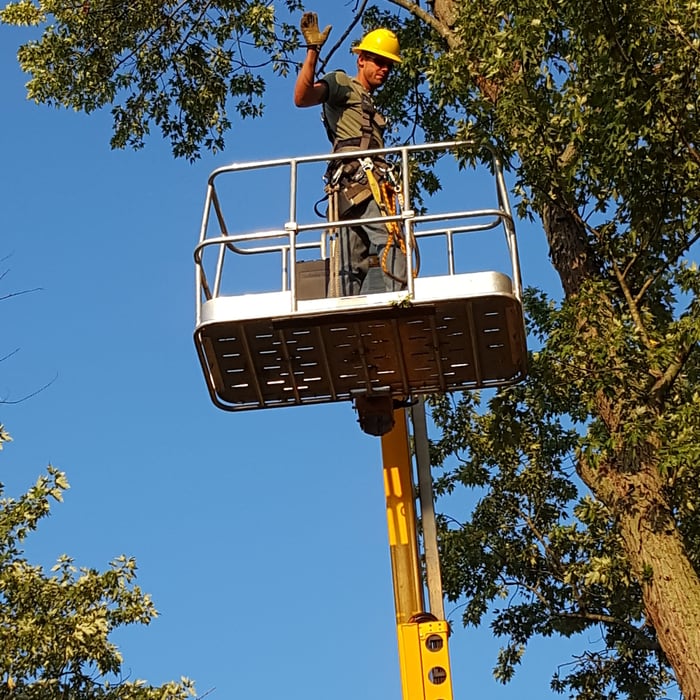
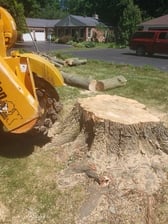
Milks Tree Service Inc is committed to excellence in every aspect of our business. We uphold a standard of integrity bound by fairness, honesty, and personal responsibility. Our distinction is the quality of service we bring to our customers. Accurate knowledge of our trade combined with ability is what makes us true professionals. Above all, we are watchful of our customers' interests and make their concerns the basis of our business.
Your Guy Tree Services is committed to excellence in every aspect of our business. We uphold a standard of integrity bound by fairness, honesty, and personal responsibility. Our distinction is the quality of service we bring to our customers. Accurate knowledge of our trade combined with ability is what makes us true professionals. Above all, we are watchful of our customers' interests and make their concerns the basis of our business.
We are Oakenshield property services. We prioritize customer service and making quick and efficient work with everything we do. We do it all from junk removal to demolition to garage/fence teardowns to brush removal. You name it. Call or text us for a free quote at 260-570-2793.
Hello, my name is Israel Chavez. I’ve been doing Roofing and Trash and removel for six years. I work all over the state of Michigan. i’m great at what I do I own 216 foot dump trailers and the reason why you should hire me is because I do a great job I clean up.
Here at Stump Daddy, we have 10 + years of experience on our staff. We pride ourselves on our quality and attention to detail. There's no job too big or too small that we can't handle at a very timely manner. Please don't hesitate to call today. We look forward to earning your business.
Once you confirm a tree is dead, you should remove it. Dead trees eventually fall, and larger trees in particular can cause damage to rooftops, fencing, flowers, and other objects. As we mentioned, letting decayed wood stay in your yard also invites risks to the surrounding landscaping and vegetation.
Depending on the severity of the damage, a tree might continue healing for years after a split or a break. Saplings can usually bounce back in the spring in one or two seasons, but larger trees might take a few years to regain their former strength. If your tree is showing strong growth and is not dropping limbs, you can consider it healed after the first two seasons.
Since overwatering can harm mature trees just as much as a lack of water, it’s important to know the signs of an overwatered tree. If your tree’s leaves are yellowing, wilting, or dropping leaves, it’s likely that you’re overwatering. Other common signs include rotting, fungi, soggy soil, soft or peeling bark, falling leaves, and brittle roots.
If you realize that you’ve been overwatering your mature tree, stop watering and give the soil time to dry out. Then moving forward, increase time between watering sessions.
Not all leaning trees are dangerous, but they can be a hazard as gravity may eventually cause them to fall. A key factor is whether the lean is new or has been present for a long time. Trees that have grown with a lean for years are not typically an immediate danger, but a sudden lean is a cause for concern as it often indicates weakening roots. If a tree is leaning more than 15% from vertical, you should consider having it straightened or transplanted. To be safe, it's always best to hire a professional arborist to inspect any leaning tree to assess the risk and avoid potential accidents.
If it’s only a smaller branch that has died and you’re keeping an eye on the tree, it’s probably nothing to worry about. But if other nearby branches start dying off as well, or a very large branch dies, then you likely have a bigger problem. It’s time to watch for diseases and other problems and possibly get professional guidance on how to proceed.
The Camden, MI homeowners’ guide to arboricultural services
From average costs to expert advice, get all the answers you need to get your job done.
How much does an arborist cost? This guide explains the cost of different services, ongoing expenses, and other factors to consider when hiring an arborist.
Arborists are specialized tree care experts. This guide will help you hire an arborist with all the qualifications to give your trees the best care possible.