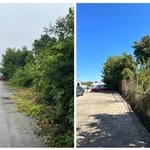
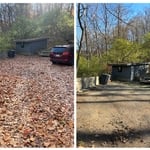
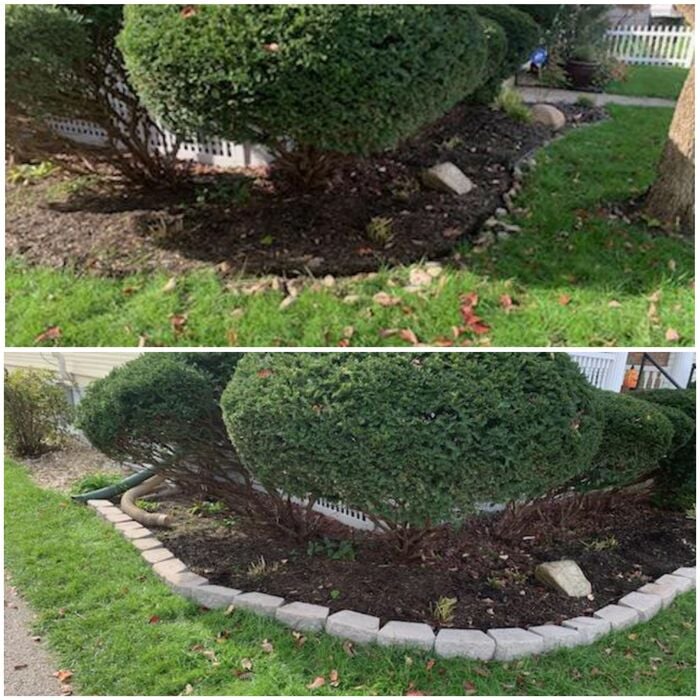
"George and his crew were on time and did a great job. When they left the yard looked the same as it was when they got there. They were about 70 feet tall and crew a great job. Would hire them again in a heartbeat and will again this fall for my Bradford tree in front yard."
"I needed one tree taken down and one trimmed back in our front yard. Pioneer was prompt, very good pricing, easy to work with and did the job exactly as we asked. Very respectful of our property as well as our neighbors. Highly recommend and I will use them again for future projects"
"Very responsive, professional and honest. Explained the process, made sure I was happy with the completed work and even made suggestions which decreased the original estimated cost of our project. We will be using them again."
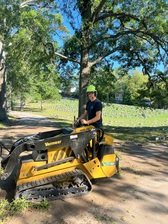
Single dad. Starting out to build my own business doing the things I enjoy doing. I offer hard homest work. Always trying to be fair as possible with out breaking the bank. I offer multiple services from mowing landscaping to excavation work.
At Night Owls Junk Removal & Demolition, we provide fast, reliable, and affordable junk removal and light demolition services for homeowners and businesses. Whether you need old furniture, appliances, construction debris, yard waste, or unwanted clutter removed, we’re here to get the job done safely and efficiently. We also specialize in deck, shed, and fence demolition leaving your property clean and ready for the next project. We take pride in honest pricing, dependable service, and treating every customer with respect.
Generally, homeowners do not need permission to cut down a tree on their own private property, but there are several exceptions where a permit may be required. You might need a permit if the tree is particularly large, old, or a protected species, such as a heritage tree. Trees located near public property or power lines can also be subject to special rules. Additionally, many local governments and homeowners associations (HOAs) have regulations controlling which trees can be removed to manage an area's appearance or prevent the spread of invasive species. To avoid hefty fines, it is crucial to check with your local government and HOA to determine if a permit is needed before you begin.
Early signs that a tree is struggling include premature leaf shedding and lesions or other strange markings. Peeling bark, dead or rotten branches on the ground, and a conspicuous lack of leaves can all be signs that a tree has started to die. By the time a tree starts leaning, it’s usually too far gone to save.
Yes, tree roots can regenerate after they’re pruned or cut. In fact, trimming can stimulate new growth, especially in healthy trees. The tree’s roots can still grow back even after a tree is cut down, (and learning how to get rid of regrowing tree roots is a separate feat). Still, if you don’t wish to harm a tree, pruning the roots should be done with extreme care, and ideally by a professional.
There are several methods to hollow out a tree stump, and the best one depends on your tools, experience, and priorities. Common methods include using a chisel and hammer, a chainsaw, or burning.
Chisel and Hammer: This is often considered the easiest approach for those with limited tools or experience, though it is the most time-consuming.
Chainsaw: Using a chainsaw is the fastest method, but it comes with significant safety risks, especially for inexperienced users.
Burning: This can be an effective method, but it is not recommended unless you can first drill holes into the stump. Without holes, the stump will be difficult to light and may not burn completely through.
A power drill with at least a ⅜-inch diameter bit can make the job quicker and easier, regardless of the primary method. While you can use a chisel or chainsaw without a drill, it will require more time and effort. Always wear protective goggles and thick gloves, as splinters are an inevitable risk.
If a tree stump is removed properly, the chances of a tree growing back are low. However, if a tree has a robust root system, roots can sometimes sprout and someday grow into a tree. The chance of regrowth will depend on several factors such as the type of tree, soil quality, and strength of the root system. In general, it is not recommended to plant a tree where a stump was removed.
The Guilford, IN homeowners’ guide to arboricultural services
From average costs to expert advice, get all the answers you need to get your job done.
How much does an arborist cost? This guide explains the cost of different services, ongoing expenses, and other factors to consider when hiring an arborist.
Arborists are specialized tree care experts. This guide will help you hire an arborist with all the qualifications to give your trees the best care possible.