




Top-rated excavation pros.

Get matched with top excavation pros in Monrovia, IN

Enter your zip and get matched with up to 5 pros

Need a pro for your excavation project in Monrovia, IN?

Select your specific project to find the pro for you.

TRUSTED BY MONROVIA, IN HOMEOWNERS

  • Average homeowner rating star icon4.4
    Average homeowner rating
  • Verified reviews icon60
    Verified excavation services reviews

Find Excavation pros in Monrovia

Avatar for Mulryan Excavating, LLC
Mulryan Excavating, LLC
5.0(
4
)
Excavation - Major Grading or ReslopingBuilding Site - Preparation and ClearingLandscape - Minor Grading or Resloping+1 more

Serving Monrovia, IN and surrounding areas

Approved

In business since 2019

Free estimates

Credit card accepted

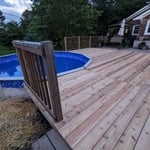
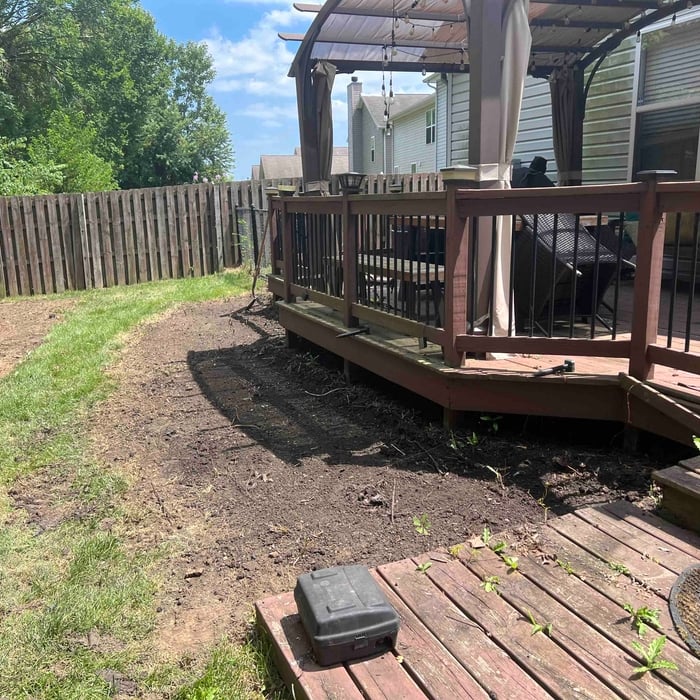
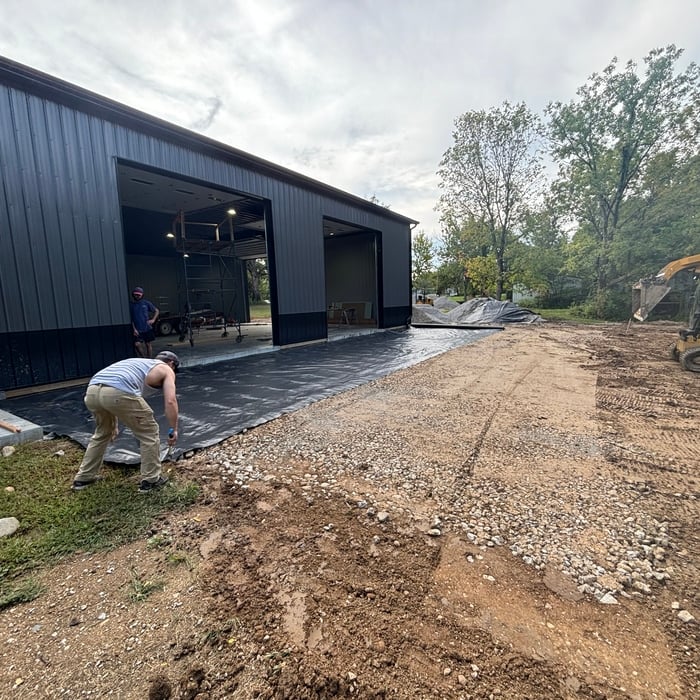
"We recently hired Mulryan Excavating to regrade and slope out back yard. We were unable to mow and maintain the yard because it was nothing but big ruts and overgrown brush. They came with their equipment and completely regraded everything and made it manageable."
Back yard restoration
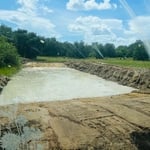
Pond restoration
Pond restoration
Response time2 days
8 neighbors recently requested a quote
Recommended by100%of homeowners
...
Showing 1-10 of 153
Excavating questions, answered by experts

Sewer lines can be buried anywhere from 18 inches to 8 feet deep, with a common average depth between 18 and 30 inches. The exact depth depends on local factors like climate and soil type. In colder regions, pipes must be buried deeper (below the frost line) to prevent freezing, sometimes as deep as 8 feet. The digging depth can also impact the cost of sewer line replacement. To find the specific depth for your property, you can check the building plans for your system, which should be on file with your city or local sanitation department since permits are required for installation.

Call 811 to locate and mark the gas lines at least three days before digging. In many areas, you can dig within 18 inches of the lines, though in some locations, the distance may be further. Check local regulations, as you may need a utility company representative onsite when digging. Document your calls to 811 and precautions taken to avoid gas lines. A homeowner can be held liable for hitting a gas line in some cases, but contacting the proper authorities and following all guidelines can offer protection.

If you don’t wish to dig it out and convert it into a finished basement, you can still encapsulate your crawl space to protect it from damage for an average cost of $5,500. Finishing a crawl space beyond this isn’t really worthwhile, as the low ceilings mean you won’t be able to use the area as living space.

You can dig 60 to 80 linear feet by hand per day depending on the depth. Digging a 100-foot trench by hand will take you two work days, but it can take longer if you have heavy or rocky soil. If you’re digging a deep trench or one that’s over 100 feet, consider renting a mechanical trencher, such as a walk-behind or ride-on, or calling a pro for help. 

Excavation is priced in cubic yards, so you’ll need to find the volume of the area in order to calculate costs. Multiply the length, width, and proposed depth of your excavation site, then convert it into yards to get the volume. Multiply this figure by the price per cubic yard.

Most homeowners can measure by hand to get a rough estimate, even if it’s tedious. You may want to pull out a tape measure or use a string to help mark the area.

The Monrovia, IN homeowners’ guide to excavation services

From average costs to expert advice, get all the answers you need to get your job done.