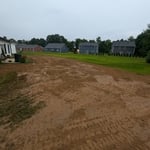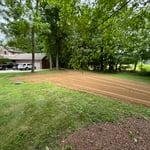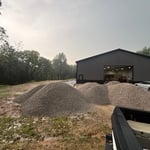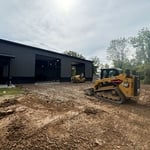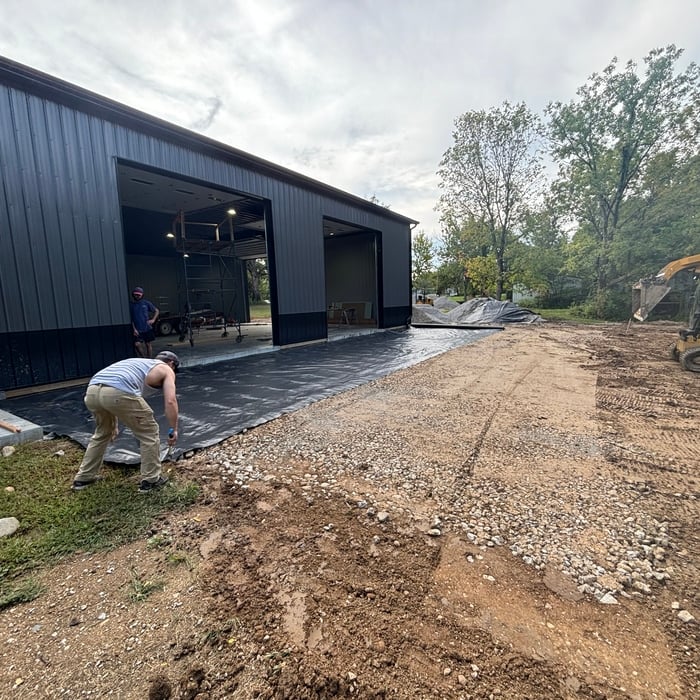




"hired Hobbs excavating for a large residential project, and I couldn’t be happier with the results. The crew was professional, efficient, and clearly knew their craft. They showed up on time every day, kept the site organized, and completed the job ahead of schedule.
Their attention to detail was impressive — they graded everything perfectly and made sure the drainage was spot-on. Communication throughout the process was clear and honest, which made the whole experience stress-free.
If you need excavation, site prep, or grading done right the first time, I highly recommend Hobbs excavation Quality work, fair pricing, and a great team to work with!"
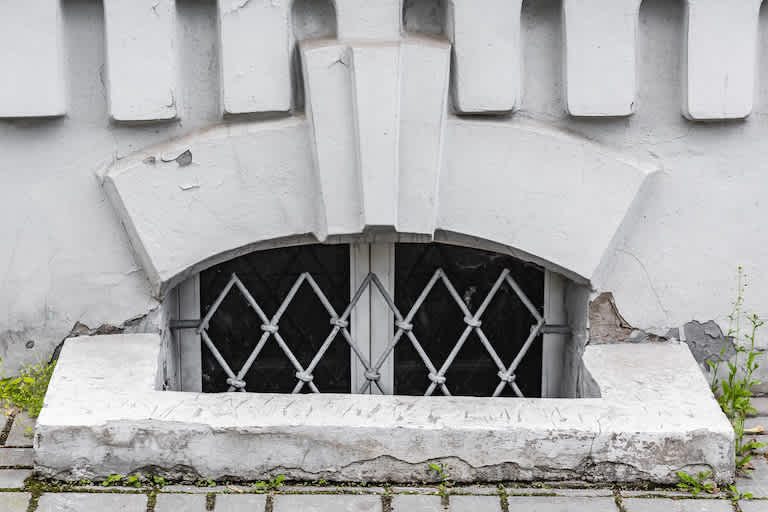
"Simpsons is the quickest answer I had on how to fix my basement leak. Ronnie came out assessed my situation told me the best plan. When he told me he was gonna be there he was there on the second he said. Great appreciation of his customer service if he had to come in to the house for anything would take his muddy boots off and come in with clean set or plastic wrap coverings 10 out of 10 recommend"
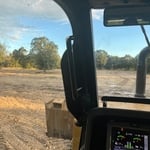
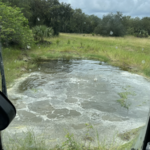
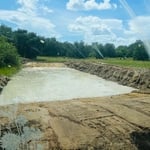
"I recently hired Mulryan Excavating, LLC for a project, and they exceeded my expectations! Their team was professional, efficient, and completed the job on time. The quality of their work was outstanding, and they went above and beyond to ensure everything was done to perfection. I highly recommend Mulryan Excavating, LLC for any excavation needs! ð ·â â ï¸ ð ª"
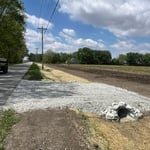
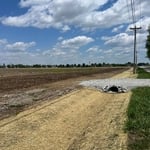
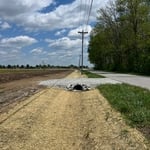
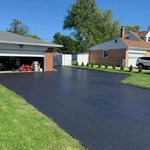
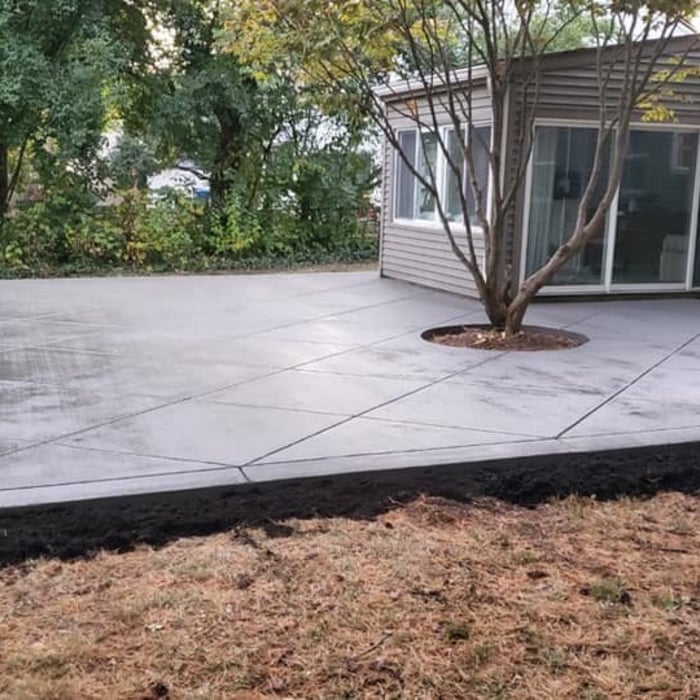
"I have had Miller land management out to my property a couple different times to do a few different projects. From clearing out trees, to prepping and flat work under my concrete slab, to building my entire driveway, to grading around my building for proper water runoff. Would highly recommend. Personable and easy to work with. Very efficient with equipment."
I own and operate a second generation family owned excavating company that my father started in 1964. I have been doing work mainly in Hendricks County for the last 30 years. I specialize in storm drainage, drainage tile, tree and brush clearing, driveway grading and stoning, yard rough and finish grading.
"Andrew Miller in their office is very responsive and will even return phone calls on Sundays. Buck Jones and his crew are outstanding and some of the hardest working guys I have had the pleasure to meet. We hit a snag and they took care of it the correct way. The prices are some what high but you get what you pay for and I know material cost are ridiculous. I hope they pay their employees well, they deserve it"
The best type of soil to build on is a mixture of sand and clay, known as loam soil. Loam soil has the best combination of these soil types to build a foundation on. The clay particles help with water retention, so it won’t erode like sandy soil might, and the sandy particles help with drainage, so you won’t see unsafe soil expansion or have an increased risk of leaks from water sitting against your foundation.
Some two-in-one tools and machines do both jobs, and those could be the right solution for smaller residential projects. However, the phrase “use the right tool for the job” definitely applies to digging. For the best results, get two separate tools for your trenching and landscape edging projects or call a pro to take care of everything for you.
Whether you grind or dig up and remove your tree stump depends on your landscaping goals. Using a stump grinder leaves the root system in place for it to decompose over time, whereas digging up the tree stump removes the roots and the stump. Overall, stump grinding is a far simpler process since you won’t need to deal with the roots. Stump removal will make your yard look like a demolition site, but you’ll have an easier time replanting in the same place as your former tree.
Drilled wells have a pipe sticking up that’s covered in a plastic or metal casing. On the other hand, a dug well will look like a big hole in the ground and is more similar to what you’d see in a fantasy or Western movie. If you want to be sure, contact the city for documentation on your property’s construction and excavation history.
Sewer lines can be buried anywhere from 18 inches to 8 feet deep, with a common average depth between 18 and 30 inches. The exact depth depends on local factors like climate and soil type. In colder regions, pipes must be buried deeper (below the frost line) to prevent freezing, sometimes as deep as 8 feet. The digging depth can also impact the cost of sewer line replacement. To find the specific depth for your property, you can check the building plans for your system, which should be on file with your city or local sanitation department since permits are required for installation.
The Cloverdale, IN homeowners’ guide to excavation services
From average costs to expert advice, get all the answers you need to get your job done.
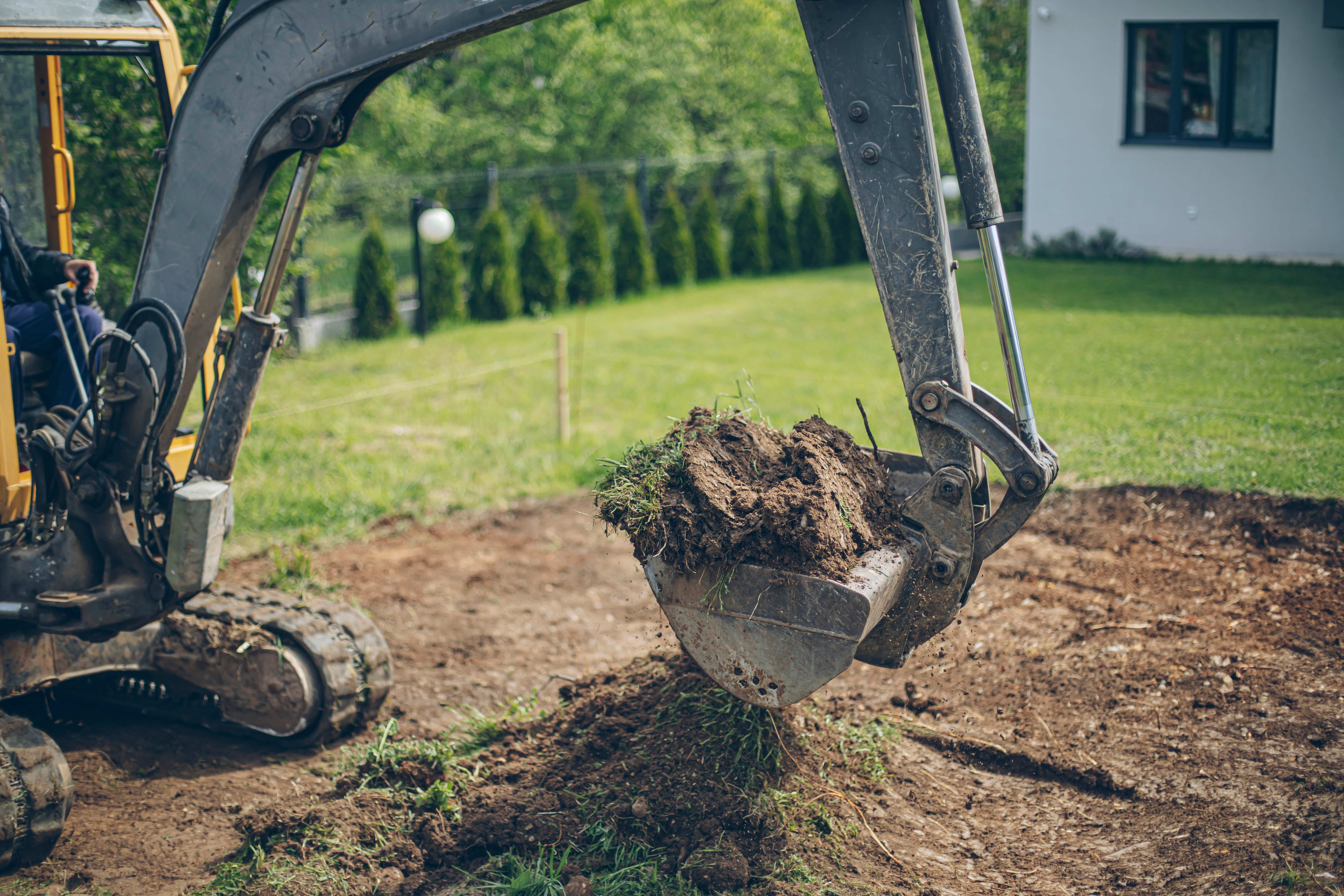
Excavation costs $1,500 to $6,300 for most residential projects—but it depends on factors like the size of the area. This guide will help you plan a budget.
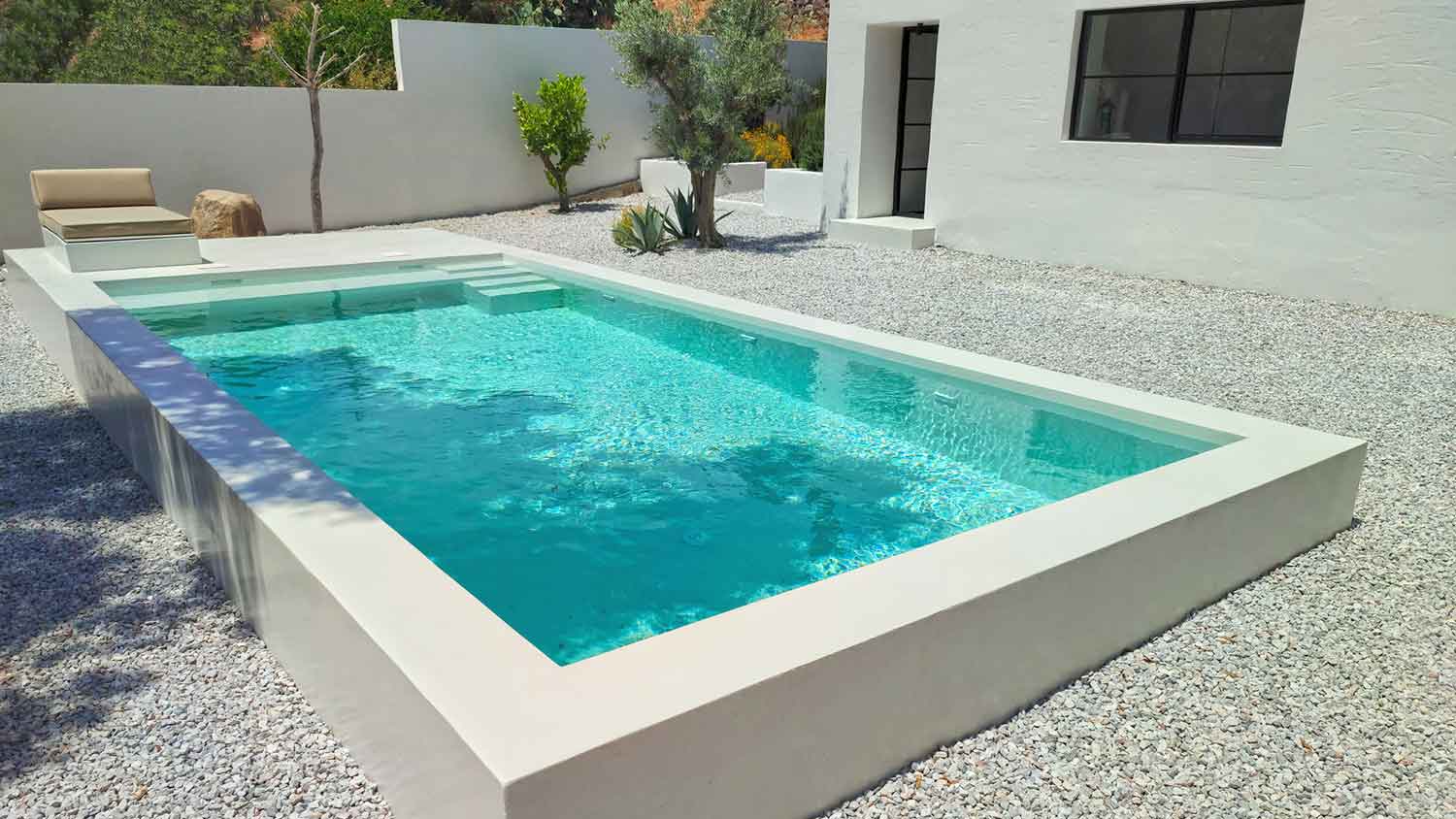
You can't have an in-ground pool without digging into the ground. How much does pool excavation cost, and can you take it on yourself? Our guide explains.