




Top-rated paving pros.

Best paving pros near Gaston, IN

Enter your zip and get matched with up to 5 pros

Need a pro for your paving service project in Gaston, IN?

Select your specific project to find the pro for you.

TRUSTED BY GASTON, IN HOMEOWNERS

  • Average homeowner rating star icon4.4
    Average homeowner rating
  • Verified reviews icon19
    Verified paving services reviews

Top-Rated Paving pros in Gaston - Updated Nov 2026

Avatar for American EarthWorks
American EarthWorks
5.0(
8
)
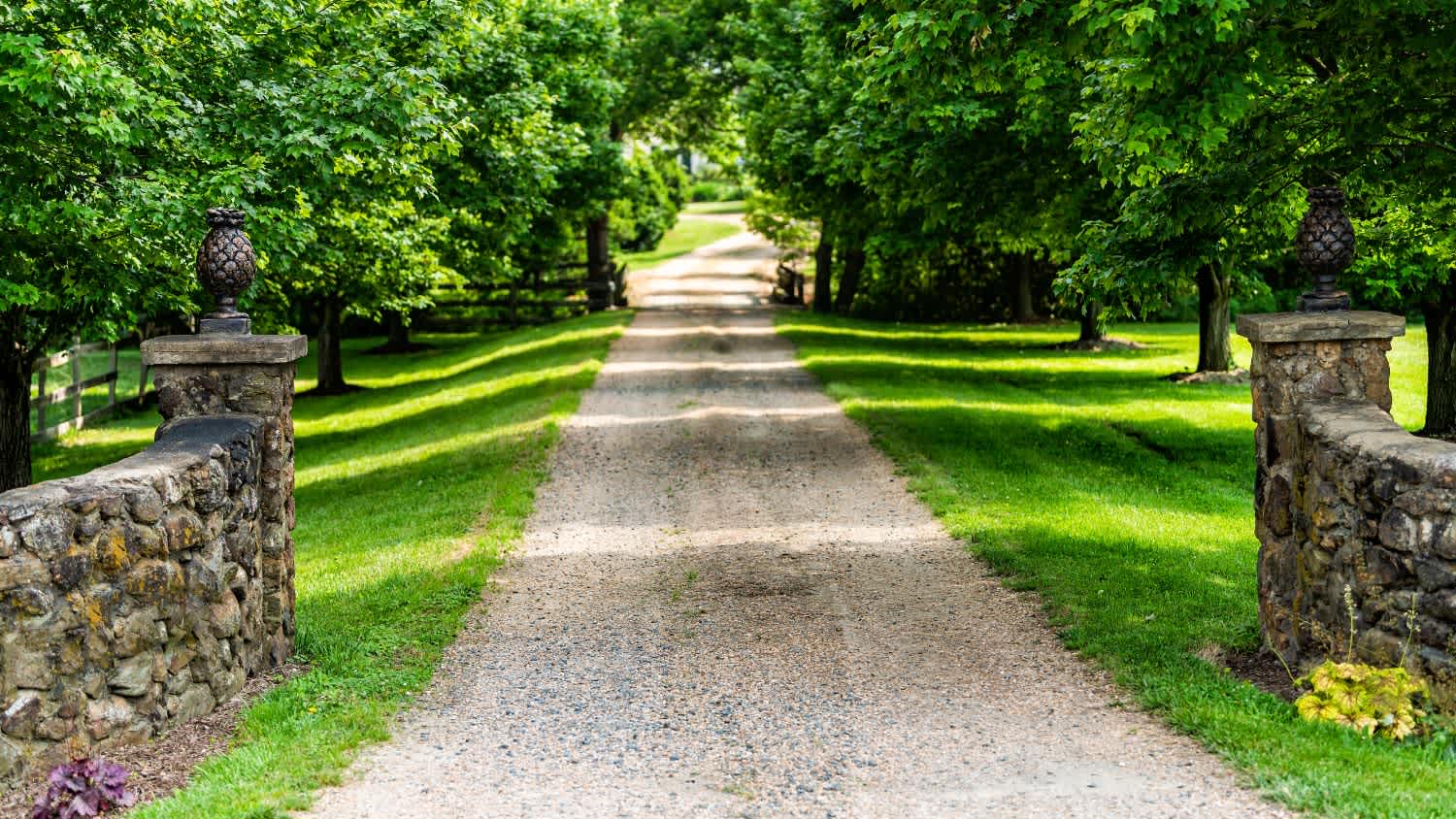
Gravel or Loose Fill Paving - Install, Spread or Scrape

Serving Gaston, IN and surrounding areas

Approved

In business since 2022

Free estimates

Credit card accepted

"We had such a great experience! They made room in their busy schedule & went above and beyond to create my vision & meet my crazy deadline. I will definitely be hiring them again for more landscaping projects!"
Response time5 hrs
Response rate91%
Recommended by100%of homeowners
R & R Landscaping
5.0(
14
)
Gravel or Loose Fill Paving - Install, Spread or ScrapeInterlocking Pavers for Patios, Walks & Steps - Install

Serving Gaston, IN and surrounding areas

Free estimates

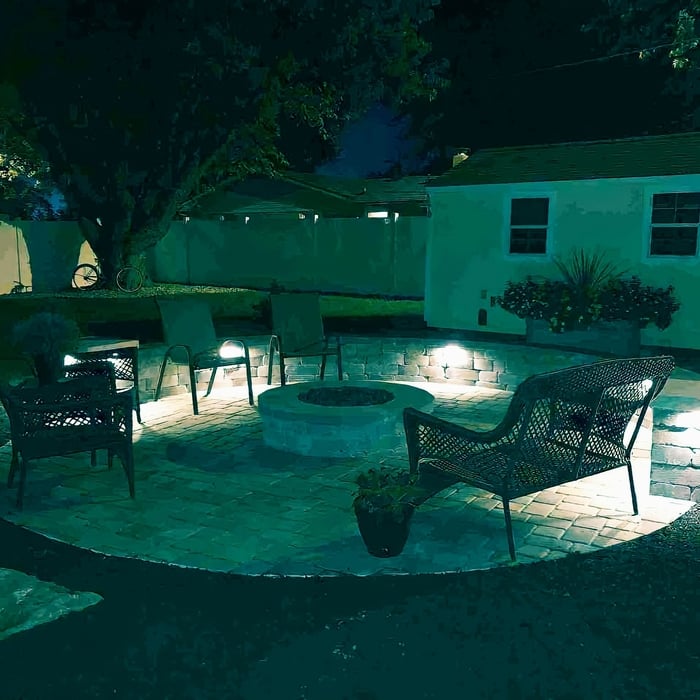
"Amazing work!! Honestly the best workers, and hardest workers we have ever hired. Highly recommend!! Landscaping looks amazing, and our paver patio with custom built in fire pit, and retaining wall is absolutely beautiful. Hands down 10/10!! R&R Landscaping is reliable, friendly, and easy to work with."
Additional Photos
Additional Photos
Additional Photos
Additional Photos
Additional Photos

+51

Recommended by100%of homeowners
...
Showing 1-10 of 73
Paving Services FAQs, answered by experts

Paving is a part of hardscaping, so all paving is hardscaping, but not all hardscaping is paving. Paving involves laying down concrete or asphalt, while hardscaping can also include the use of paving stones, bricks, gravel, wood, and more. Hardscape features that involve paving are considered permanent and will increase your property taxes, while some other hardscaping features—like those involving bricks, gravel, and paving stones—will not affect property taxes. Paving also typically requires a permit, while hardscaping features considered temporary will not.

Paver driveways are durable and aesthetically pleasing, but they do have a few cons. For instance, paver driveways are often more expensive than asphalt and concrete driveways. They also make it easier for weeds to grow where the separate pavers meet up. They may also be more likely to settle over time.
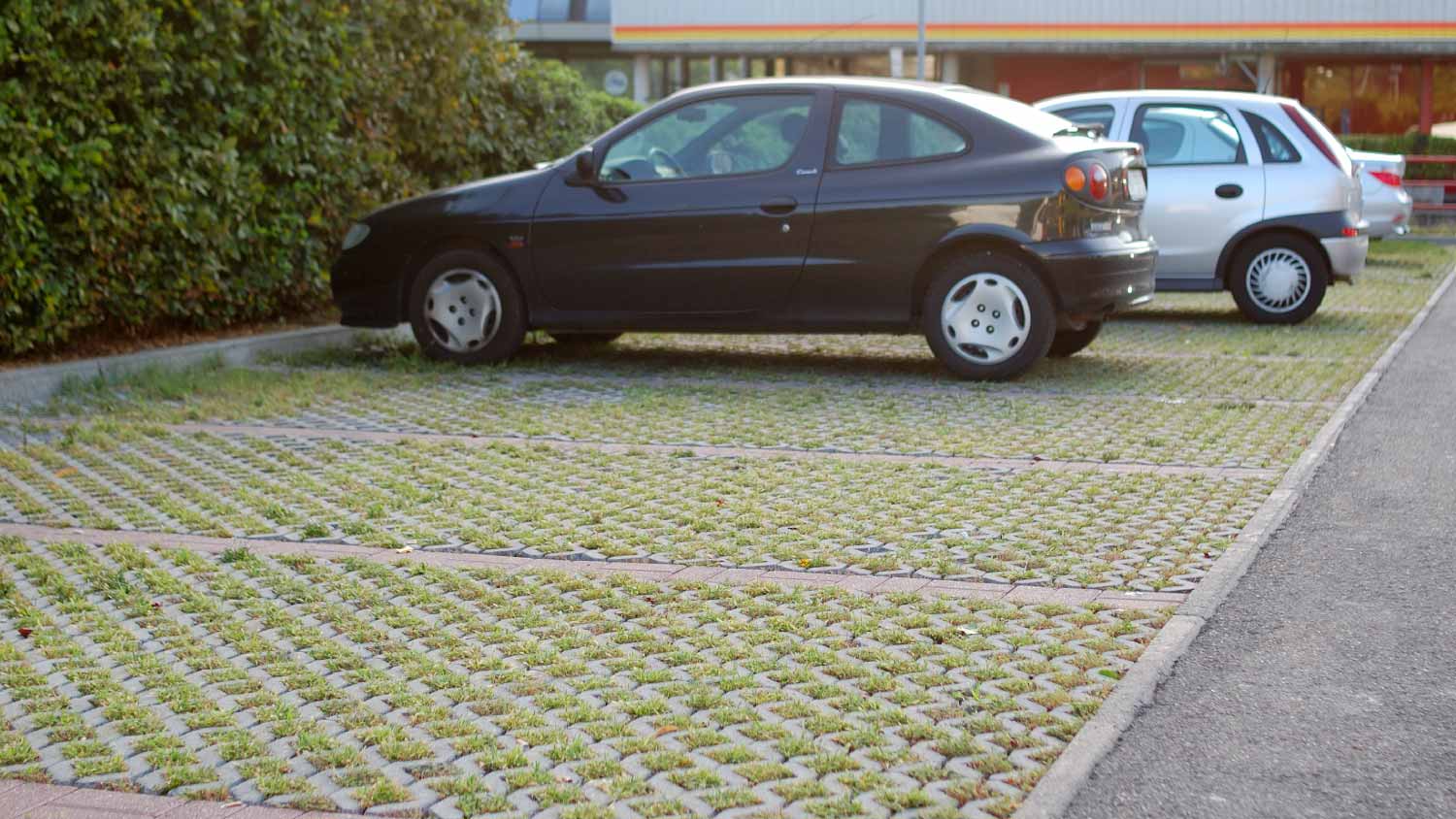
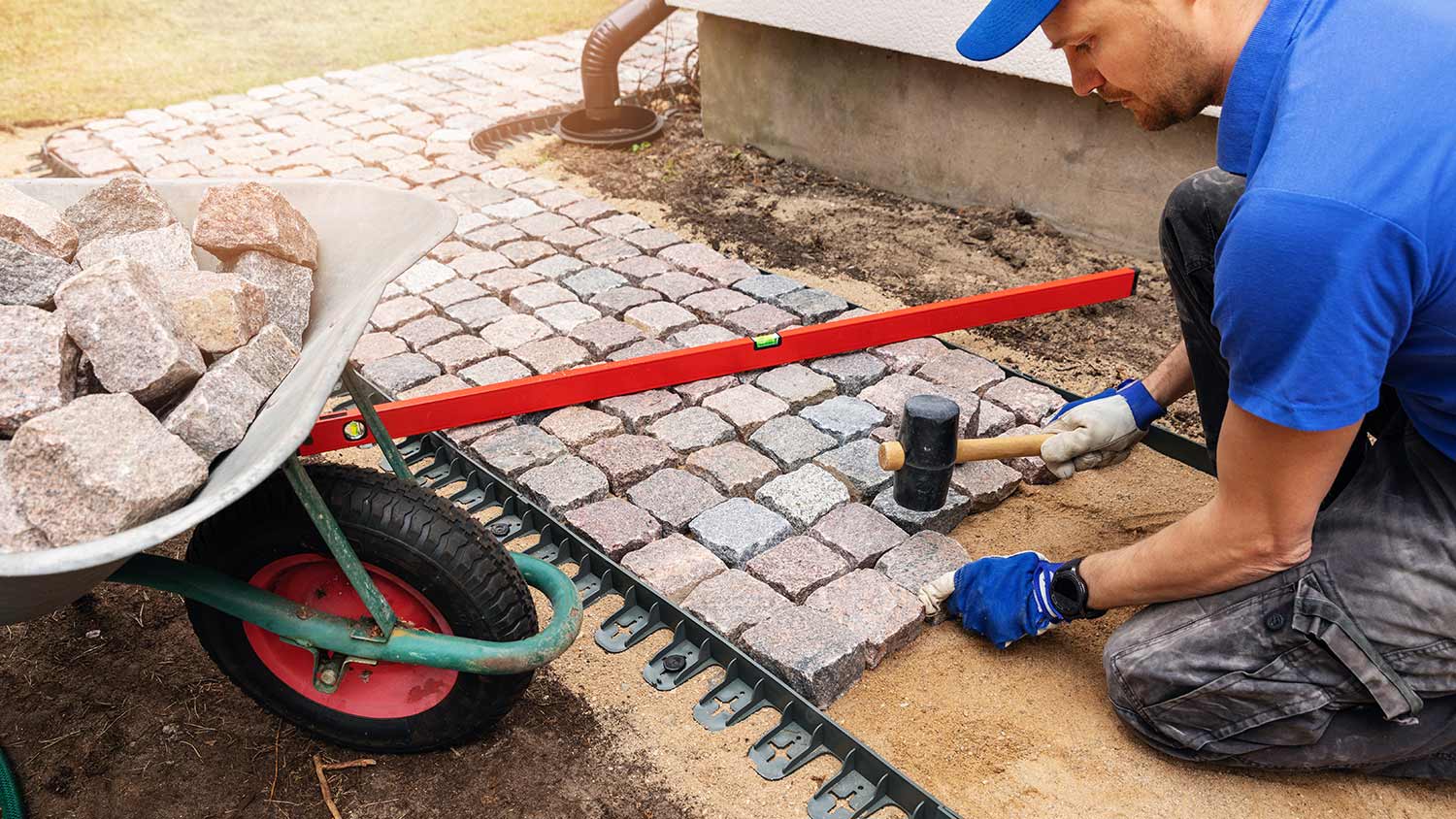
You’ll first need to install a base underneath your pavers for extra stability and drainage. Otherwise, the pavers can sink into the ground, and you’ll have to reinstall them. Use a base gravel layer of 4 to 6 inches for walkways and 10 to 12 inches for driveways. Compact your gravel layer every 2 to 4 inches so it’s nice and solid. After you install your gravel base, apply a 1-inch layer of sand on top.

To adhere pavers to concrete, you can use either mortar or a concrete-specific adhesive. For border pavers, a polyurethane-based adhesive is a good choice as it expands and contracts with temperature changes, keeping them firmly in place. For the non-border pavers, polymeric sand is used between the joints to prevent shifting. In most cases, it is also recommended to lay a permeable sand layer below the pavers to ensure proper stability and drainage. Before starting, always take the proper preparatory steps for a professional result.

Asphalt and tarmac are not the same thing. Traditional tarmac, short for tarmacadam, uses tar as a binder to hold crushed stone together. Asphalt uses bitumen—a byproduct of crude oil—to bind aggregate. Though tarmac was once a go-to for roads, asphalt has become the modern standard. And these days, most surfaces referred to as “tarmac” are actually asphalt. So, while the names may overlap, the key distinction lies in the binder—tar for tarmac and bitumen for asphalt.

The Gaston, IN homeowners’ guide to paving services

From average costs to expert advice, get all the answers you need to get your job done.