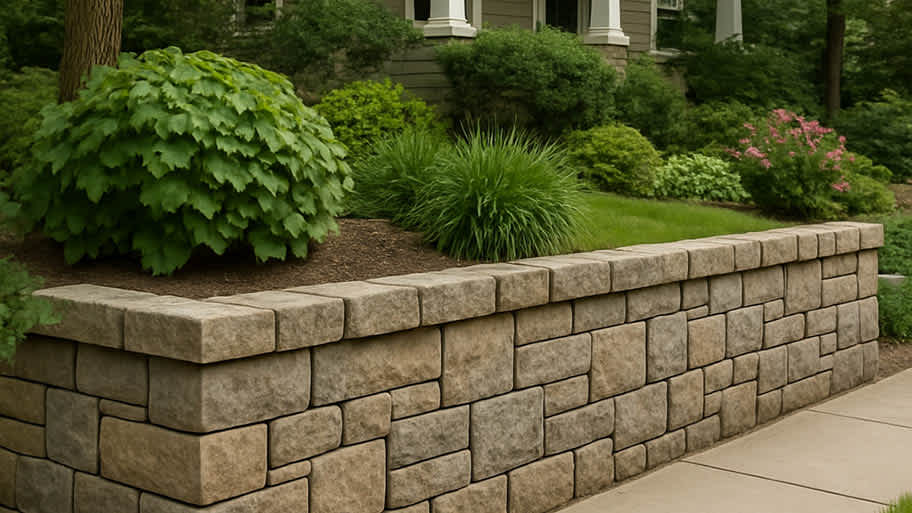





Top-rated retaining wall installation pros.

Get matched with top retaining wall installation pros in Warren, IL

Enter your zip and get matched with up to 5 pros

Need a pro for your retaining wall installation project in Warren, IL?

Select your specific project to find the pro for you.

Find Retaining wall installation pros in Warren

Avatar for Ruben's Concrete
Ruben's Concrete
New to Angi
Retaining Wall - Install

Serving Warren, IL and surrounding areas

Approved

In business since 2020

Free estimates

Offers commercial services

We pride our company on reliability, great communication, integrity, and quality work. We are experts in our trade and will do our best to keep you as educated as we can on your particular task or project. We look forward to earning your business!

Concrete
1 neighbors recently requested a quote

Avatar for First Line Construction & Masonry
First Line Construction & Masonry
0.5(
2
)
Retaining Wall - Install

Serving Warren, IL and surrounding areas

In business since 1998

Free estimates

Emergency services offered

First Line Construction &Roofi is committed to excellence in every aspect of our business. We uphold a standard of integrity bound by fairness, honesty, and personal responsibility. Our distinction is the quality of service we bring to our customers. Accurate knowledge of our trade combined with ability is what makes us true professionals. Above all, we are watchful of our customers' interests, and make their concerns the basis of our business.

Response time2 days
Showing 1-10 of 13
Retaining Wall Installers questions, answered by experts

The lifespan of a retaining wall varies based on its material, installation quality, maintenance, and local climate, with an average range of 20 to 100 years. Retaining walls made from durable materials like concrete, stone, and brick generally last a minimum of 50 years. Concrete walls typically last between 50 and 100 years, while brick can last for over a century in ideal conditions. Timber retaining walls can last from 20 to 40 years, depending on the wood quality, and pressure-treated wood walls average around 30 years. It is important to note that a retaining wall can fail prematurely if it was poorly constructed, for example, with inefficient footings or without necessary rebar reinforcements.

Railroad ties can be good for retaining walls, but it depends on the area. They have a desirable rustic look and are durable. The problem is they’re treated with creosote, a preservative the EPA says poses a risk to humans and wildlife. Over time, the preservative seeps out of the wood and into the ground. Many areas have banned the use of creosote-treated wood on residential properties. If your area does allow it, never use railroad ties near an edible garden or drinking water source. Instead, use wood that’s treated with an EPA-approved preservative or a wood-alternative composite material.

Sand and gravel are two suitable options for filling behind a retaining wall. If you’re building your own retaining wall, you’ll complete this part of the process—known as backfilling—after you finish laying the blocks. Make sure not to skip it—otherwise, you could wind up with drainage issues, which can cause your retaining wall to collapse.

While vinyl is the least costly material for building a retaining wall, the most cost-effective method is to use wood or concrete blocks for a DIY retaining wall under 2 feet tall. Wood is inexpensive but lasts 20 years or more with care. Concrete can cost a little more but is stronger and will last longer with less maintenance.

Through proper drainage solutions and compacting the foundation soil.

The Warren, IL homeowners’ guide to retaining wall installation services

From average costs to expert advice, get all the answers you need to get your job done.