





Top-rated retaining wall installation pros.

Get matched with top retaining wall installation pros in Freeport, IL

Enter your zip and get matched with up to 5 pros

Need a pro for your retaining wall installation project in Freeport, IL?

Select your specific project to find the pro for you.

TRUSTED BY FREEPORT, IL HOMEOWNERS

  • Average homeowner rating star icon4.2
    Average homeowner rating
  • Verified reviews icon16
    Verified retaining wall installation services reviews

Find Retaining wall installation pros in Freeport

Avatar for Esquivel Landscaping & Construction
Esquivel Landscaping & Construction
4.0(
3
)
Retaining Wall - Install

Serving Freeport, IL and surrounding areas

In business since 2007

Free estimates

"We contracted them on a handshake. They came in and removed a large area of gumbo clay, installed a solid base and the stone cutting was intricate and impressive. Within 10 days they gave us and the future owners of our home. This family of hard workers never let us down. Then they went above and beyond with follow up visits and answered questions after the installation. I had concerns about winters damage. They answered and winter came and left with zero damage and the patio is our go to place when the weather isn't offensive."
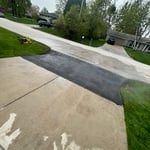
Concrete Driveway
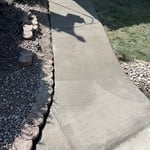
Concrete patio
Pool Retaining Wall & Patio With Fire Pit
Patio with Firepit
Backyard Oasis

+42

Recommended by100%of homeowners
Showing 1-10 of 17
Retaining Wall Installers questions, answered by experts

Rebar is a steel support that goes inside concrete to prevent structural damage over time. Concrete is susceptible to impact, weight, and tension. By inserting rebar into the concrete during the installation, you can help extend its lifespan and avoid hazardous situations where the foundation of your home gives way to tensile forces.

Sand and gravel are two suitable options for filling behind a retaining wall. If you’re building your own retaining wall, you’ll complete this part of the process—known as backfilling—after you finish laying the blocks. Make sure not to skip it—otherwise, you could wind up with drainage issues, which can cause your retaining wall to collapse.

If you don’t backfill a retaining wall—either at all or adequately enough—the wall won’t drain well, and water will be able to pass through it. Poor drainage will lead to a warped wall or a buildup of hydrostatic pressure, which can eventually collapse your retaining wall. If you have particularly sloped land, consult a structural engineer to ensure your hardscaping is adding value to your home.

Each design is different, so we can’t say definitively if you’ll need a dedicated drainage system in place for a two-foot retaining wall. However, you can likely skip the drainage, as this project is typically served for walls that are 4 feet tall or more. Even with a relatively low wall, consider drainage if you are building on top of clay or poor-draining soil types or if there are buried water sources nearby, like a well used for other outdoor garden projects.

Failure to compact the soil during construction is the most common cause of leaning retaining walls. In addition, poor drainage can lead to excessive water pressure behind a retaining wall, pushing against it until it begins to move forward away from the soil it is holding back.

The Freeport, IL homeowners’ guide to retaining wall installation services

From average costs to expert advice, get all the answers you need to get your job done.