



Top-rated driveway sealcoating pros.

Best driveway sealcoating pros near Valmeyer, IL

Enter your zip and get matched with up to 5 pros

Need a pro for your driveway sealcoating project in Valmeyer, IL?

Select your specific project to find the pro for you.

TRUSTED BY VALMEYER, IL HOMEOWNERS

  • Average homeowner rating star icon4.5
    Average homeowner rating
  • Verified reviews icon51
    Verified driveway sealcoating reviews

Top-Rated Driveway sealcoating pros in Valmeyer - Updated Nov 2026

Avatar for A&T SealCoating
A&T SealCoating
5.0(
3
)
Asphalt SealingAsphalt Sealing- For Business

Serving Valmeyer, IL and surrounding areas

In business since 2014

Free estimates

Warranties offered

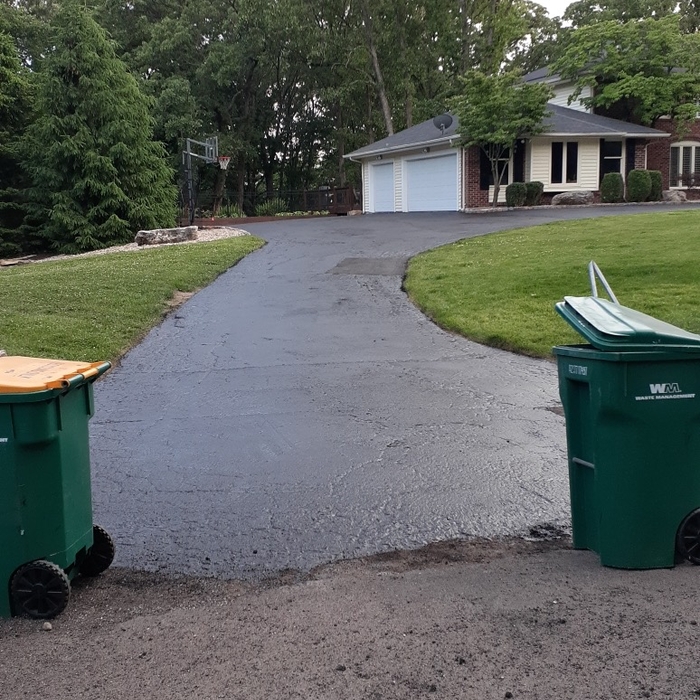
"The crack filling was done with precision no more weeds or water damage and the sealcoat gave my old driveway a fresh, clean, dark finish that looks brand new. Not only does it improve curb appeal, but I know it’s going to help protect the asphalt for years to come"
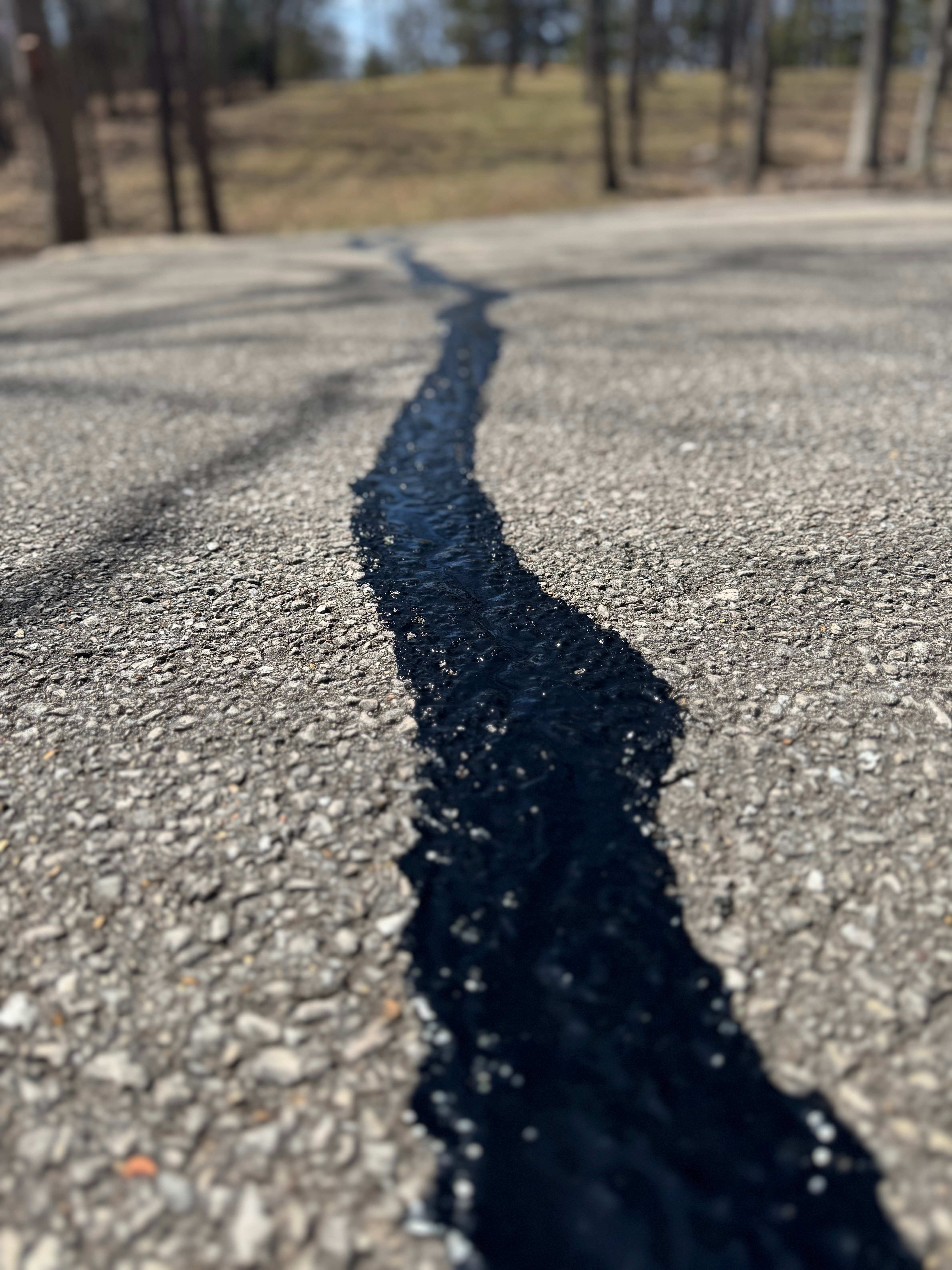
Asphalt Rubberized Crack Filler
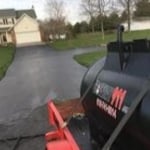
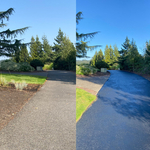
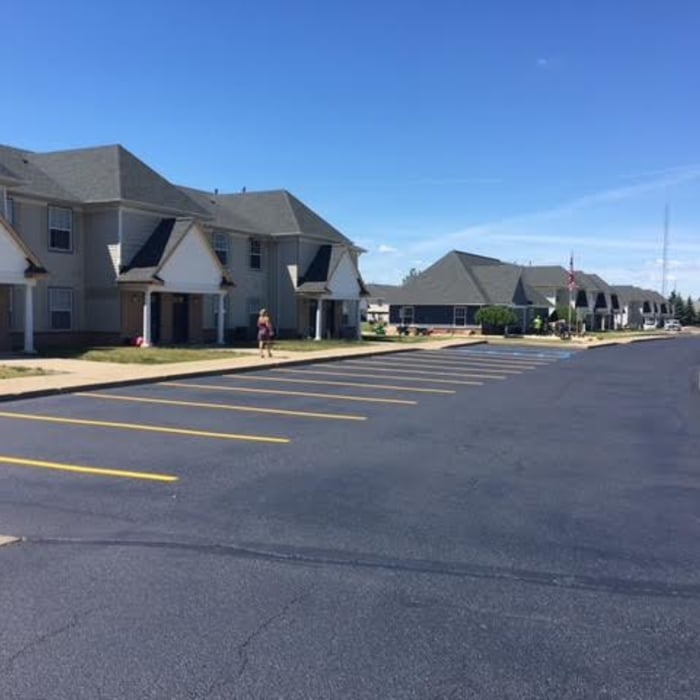
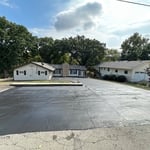
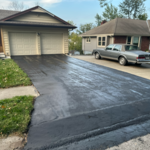
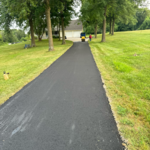
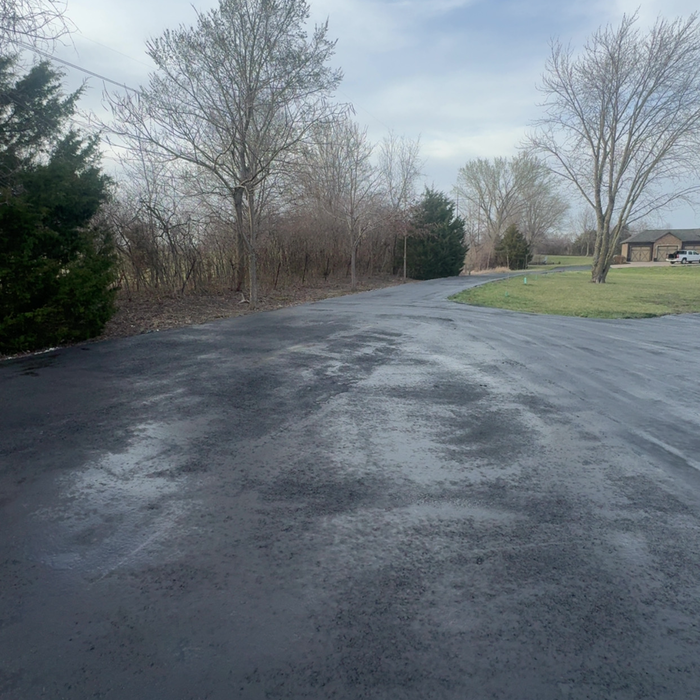
This crack filling and sealcoating project showcases a successful asphalt maintenance effort, resulting in a visually appealing and well-protected surface that is ready to withstand the rigors of daily use.
Additional Photos
Additional Photos
Additional Photos

+4

Recommended by100%of homeowners
Showing 1-10 of 36
Driveway Sealcoating FAQs, answered by experts

Sealant comes in 5-gallon buckets that can cover up to 400 square feet. Measure your driveway to get the exact square footage, and remember to factor in enough sealant for two coats.

Asphalt driveways last anywhere from 15 to 30 years, but if you don’t stay on top of repairs, you may find yourself spending extra to replace your driveway before its typical lifespan. Stay on top of repairing cracks and potholes by routinely inspecting your driveway once or twice a year. It’s a good idea to pressure wash your asphalt driveway at least once a year to keep it clean. Apply a sealer every one to five years, based on your climate.

You should contact your driveway installer before winterizing a newly installed driveway. Winterizing it before the asphalt or concrete has fully cured can damage the driveway. But in many cases, you don't need to winterize a newly installed driveway anyway since it's likely freshly sealed and won't have much damage yet. 

Instead of a set number of types, asphalt comes in variations designed for different needs. Some are categorized by temperature—hot mix, warm mix, and cold mix. Others are sorted by composition, like dense-graded, gap-graded (such as Stone Matrix Asphalt), porous, and mastic asphalt. There are also modified versions with added compounds like polymers, rubber, or emulsions. Instead of focusing on a number, it may be more useful to understand how contractors customize asphalt for durability, climate, and traffic conditions.

Asphalt dries and cures best between 50 and 85 degrees Fahrenheit. This range allows moisture to evaporate quickly without causing the asphalt to cool too fast, which can negatively affect the drying process. However, keep in mind that other weather conditions can also affect curing and drying times, such as precipitation and humidity.
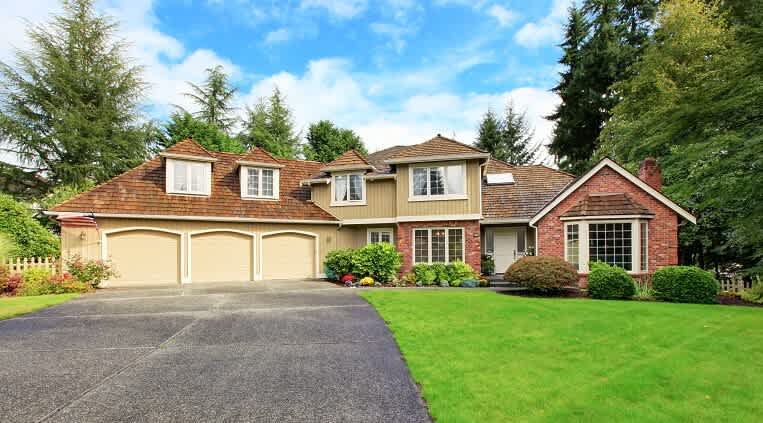
The Valmeyer, IL homeowners’ guide to driveway sealcoating

From average costs to expert advice, get all the answers you need to get your job done.