





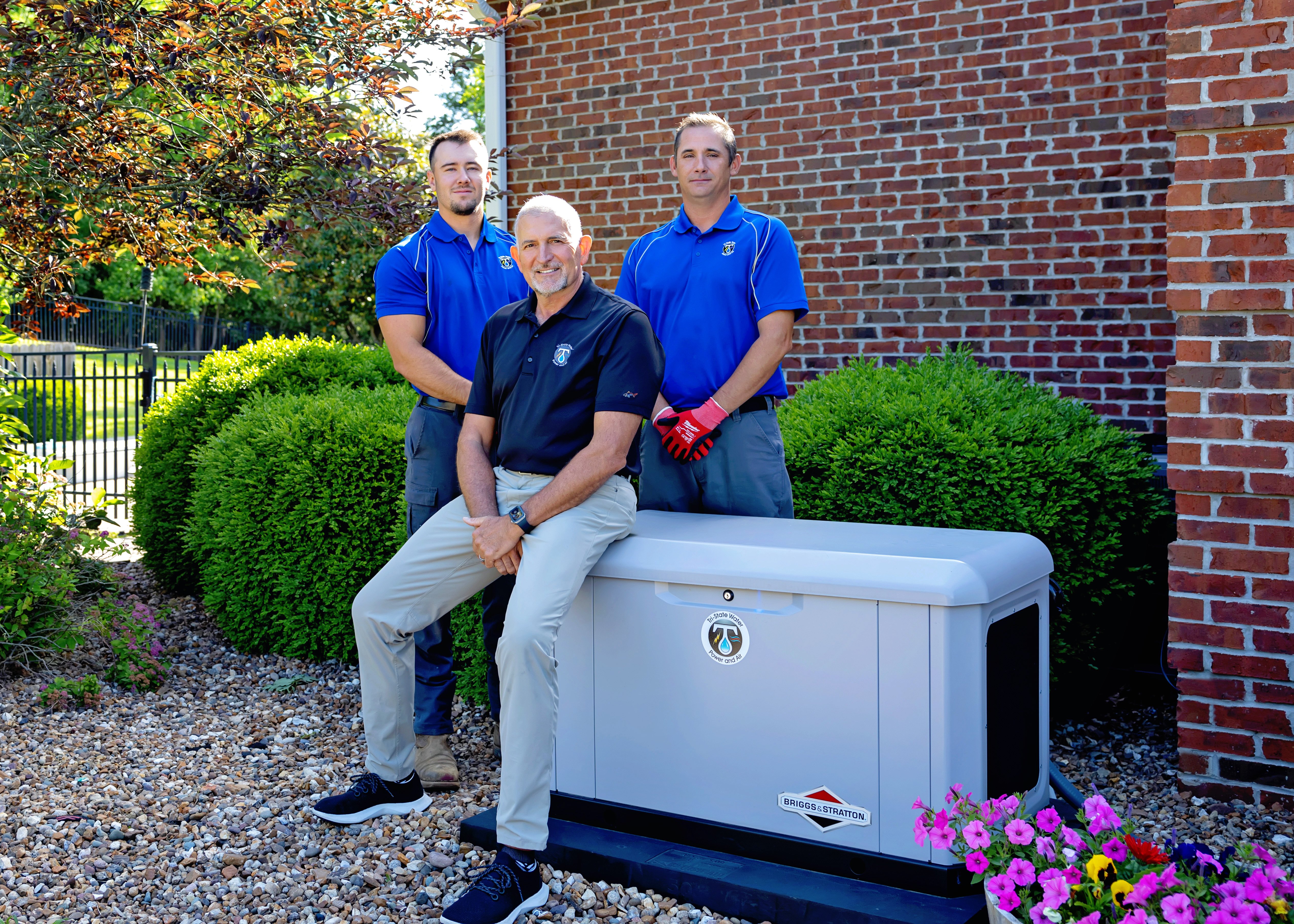
Top-rated generator install pros.

Get matched with top generator install pros in Seneca, IL

Enter your zip and get matched with up to 5 pros

Need a pro for your generator install project in Seneca, IL?

Select your specific project to find the pro for you.

Find Generator install pros in Seneca

Avatar for Tri-State Water, Power & Air
Tri-State Water, Power & Air
5.0(
5
)

Serving Seneca, IL and surrounding areas

Approved (Corporate)

In business since 1992

Free estimates

Emergency services offered

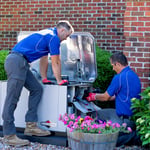
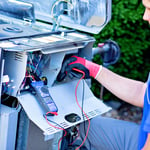
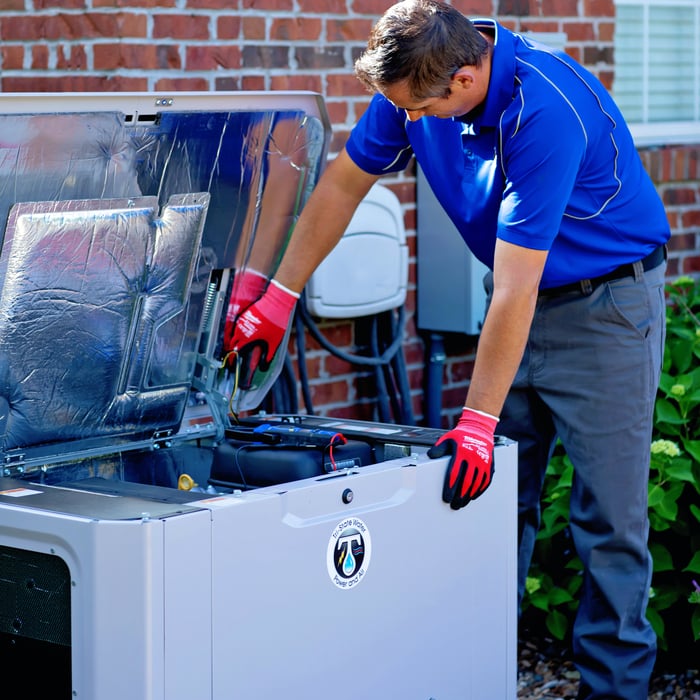
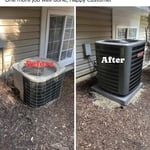
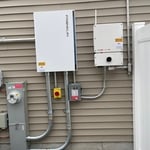
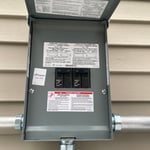
We are the experts in the field of Whole Home Generator Sales and Installation, with over 20 years of experience in the game.\nWe provide turn-key installation by licensed professionals - 24 hour emergency service - Remote Monitoring - Long term maintenance and service by factory trained technicians.
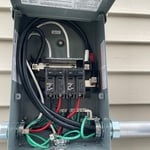
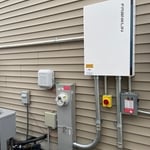
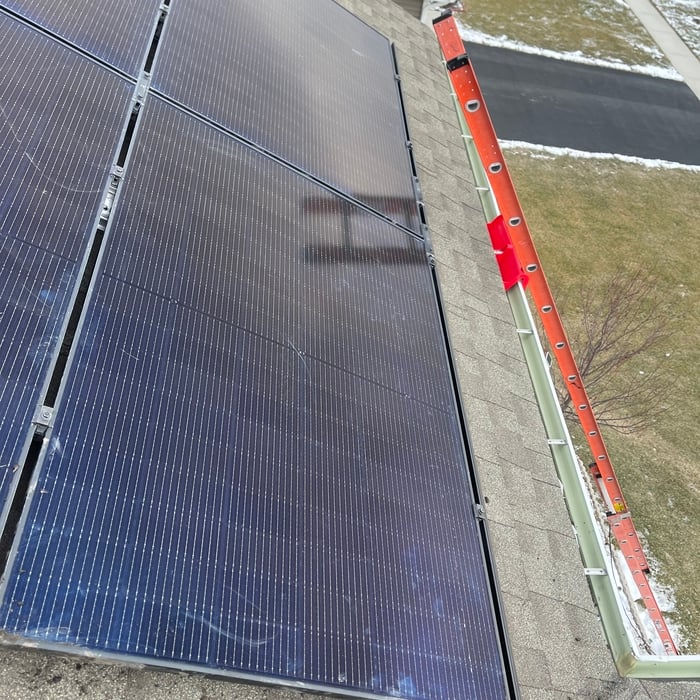
Additional Photos
Additional Photos
Additional Photos
Additional Photos
Additional Photos

+3

41 neighbors recently requested a quote

Avatar for Mid America Lightning Protection
Mid America Lightning Protection
4.5(
99
)

Serving Seneca, IL and surrounding areas

Approved

In business since 1969

Free estimates

Emergency services offered

"Absolutely one of the best companies I have ever hired. Quick response to my inquiry to have a lightning protection system installed on my house. They showed up literally the next day and had the job done within a few hours. Professional installation at its finest. Price was more than fair and the owner is very knowledgeable and works hard to earn your business highly recommended"
Indianapolis
Trucking company
Indianapolis
Indiana Illinois
Indiana Illinois

+70

Response time6 hrs
Response rate94%
3 neighbors recently requested a quote

Scardino Electric, Inc.
5.0(
3
)

Serving Seneca, IL and surrounding areas

Approved

In business since 1970

Free estimates

Credit card accepted

With over 50 years of business serving the Chicago metro area, Scardino Electric, Inc., is the way to go for all your wiring and panel upgrade needs. We take great pride in our extreme professionalism, timeliness, and superior customer service on every job. We make sure to do excellent work on every visit, answer all questions, and develop lasting relationships with all our clients so, that the next time service is needed, there will be no question on who to call. Contact us today for a free estimate. Satisfaction Guaranteed!

Response time11 hrs
Response rate100%
Recommended by100%of homeowners
...
Showing 1-10 of 93
Generator Install questions, answered by experts

The amount of time a standby generator can run continuously is around 3,000 hours on average. However, standby generators can generally run indefinitely as long as they have a continuous fuel supply. Generators hooked up to a home’s natural gas supply are the best option for extended usage, as these won’t rely on a finite fuel supply based on how much you have in storage. Generators running on liquid propane or diesel won’t last as long, as these require fuel storage and regular refueling to stay running.

Whole-house generators need to be installed on level ground several feet away from walls and other objects. Because they tap into the electrical system directly, they usually need to be close to your home electrical panel for a transfer switch installation. It also helps with installation if they are near to a gas line or propane tank installation.

If you’re deciding between a solar battery versus a generator for the best backup power solution, you can take a few factors into consideration. Solar batteries are quiet while generators can be quite loud. Generators have a lower up-front cost, but they require fuel and ongoing maintenance while solar batteries are more expensive but don’t have many ongoing costs.

To determine the right size generator for your house, you should calculate the total wattage of the appliances and devices you want to power during an outage. List all essential items, note their start-up wattages, and add them together.

Here are some typical wattage requirements for common appliances:

  • Refrigerator: 600 watts

  • Large dehumidifier: 700 watts

  • Large window air conditioner: 1,400 watts

  • Water heater: 3,000 to 4,500 watts

  • Electric furnace: 5,000 to 25,000 watts

A 7,500-watt generator might be sufficient for essentials like a refrigerator, freezer, well pump, and lighting circuits. However, for high-demand items like a water heater or furnace, a whole-home generator is a better choice. A portable generator may be enough if you only need to power a few critical items.

While home square footage can offer a rough estimate, it is not always a reliable indicator. For reference, here are some typical generator sizes based on square footage:

  • 1,000 sq ft: 6–9 kW

  • 1,500 sq ft: 7–10 kW

  • 2,000 sq ft: 10–14 kW

  • 2,500 sq ft: 12–16 kW

  • 3,000 sq ft: 16–20 kW+

For the most accurate sizing, consult a professional who can calculate your home's peak and average power consumption and recommend the optimal generator.

Generally, you’ll want to keep between 60 and 70 feet between the generator and the transfer switch. There are a few reasons for this, including:

  • The distance reduces the noise coming from the generator into your home.

  • It increases efficiency because you won’t have a voltage drop from this short of a distance.

  • Prevents carbon monoxide poisoning: keep at least 15 feet between your generator and an open window. 

The Seneca, IL homeowners’ guide to generator installs

From average costs to expert advice, get all the answers you need to get your job done.

What do you need done? We’ll find top pros.
  • 🌱 "Mow a small front yard"
  • 🛠 "Fix a leaking pipe under the sink"
  • 🏠 "Repair shingles on an asphalt roof"