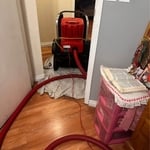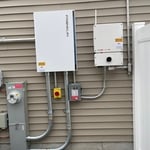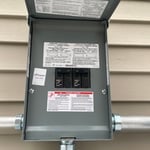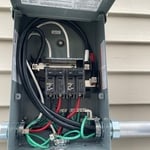







Top-rated generator install pros.

Best generator install pros near Somonauk, IL

Enter your zip and get matched with up to 5 pros

Need a pro for your generator install project in Somonauk, IL?

Select your specific project to find the pro for you.

Top-Rated Generator install pros in Somonauk - Updated Nov 2026

Avatar for Tri-State Water, Power & Air
Tri-State Water, Power & Air
5.0(
5
)
Fixed Generator - InstallGenerator - InstallGenerator - Install - For Business

Serving Somonauk, IL and surrounding areas

Approved (Corporate)

In business since 1992

Free estimates

Emergency services offered

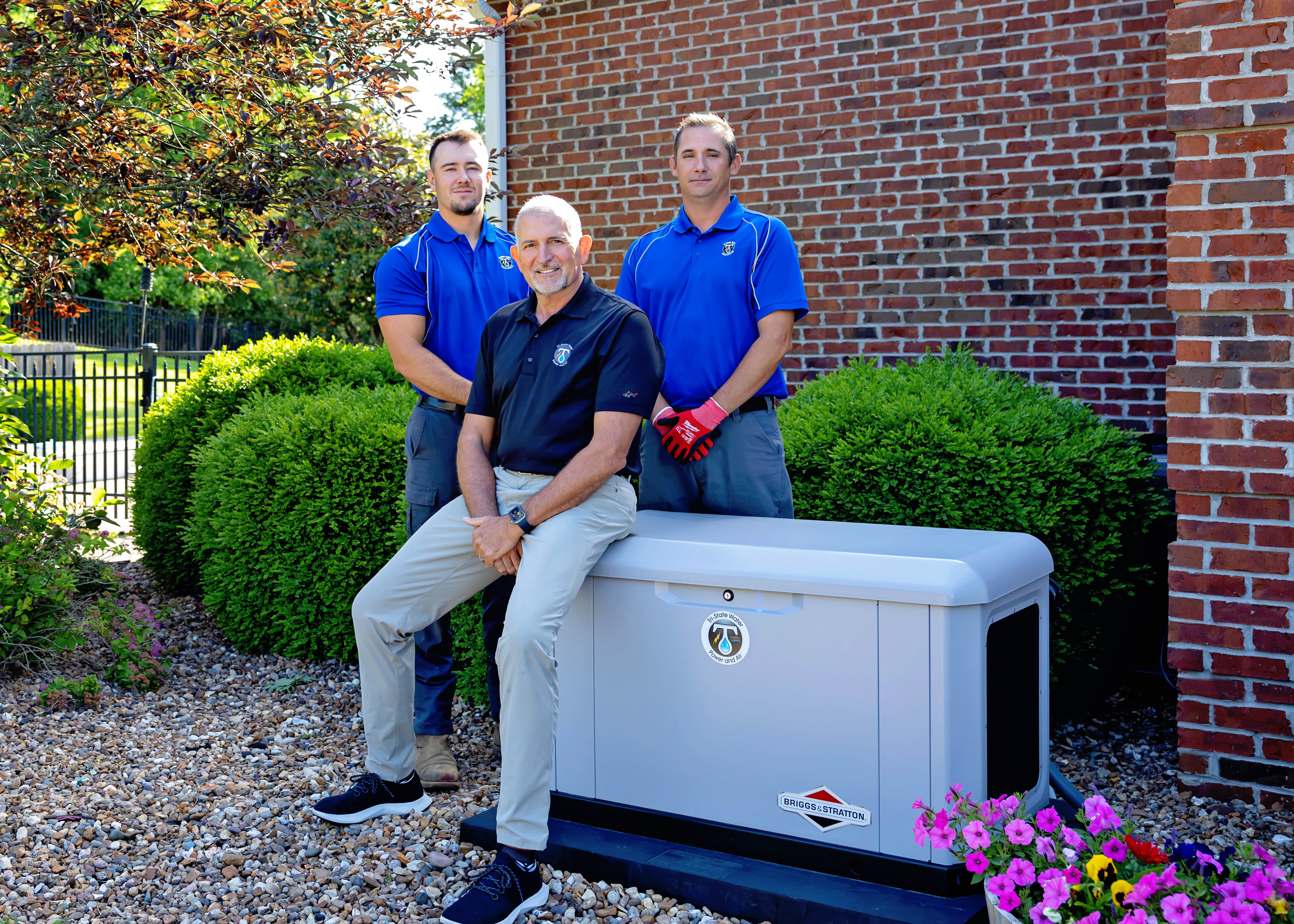
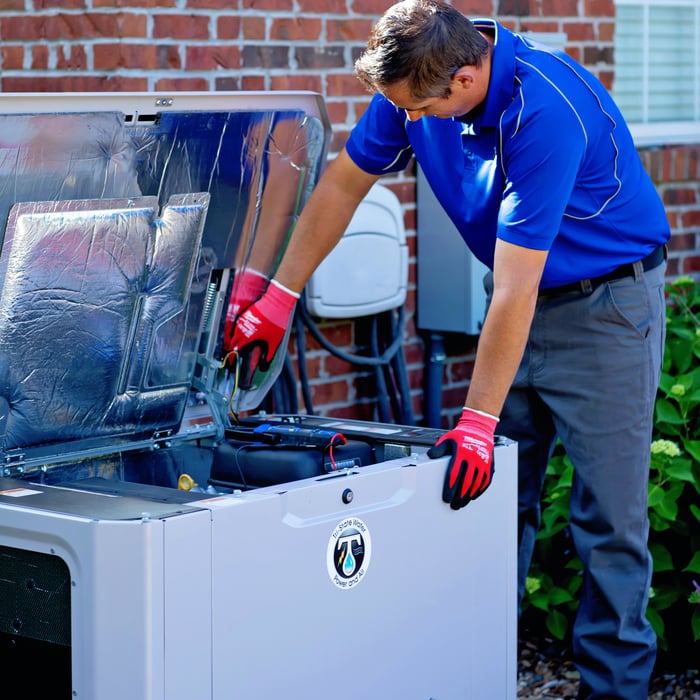
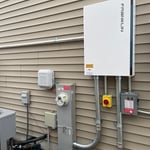
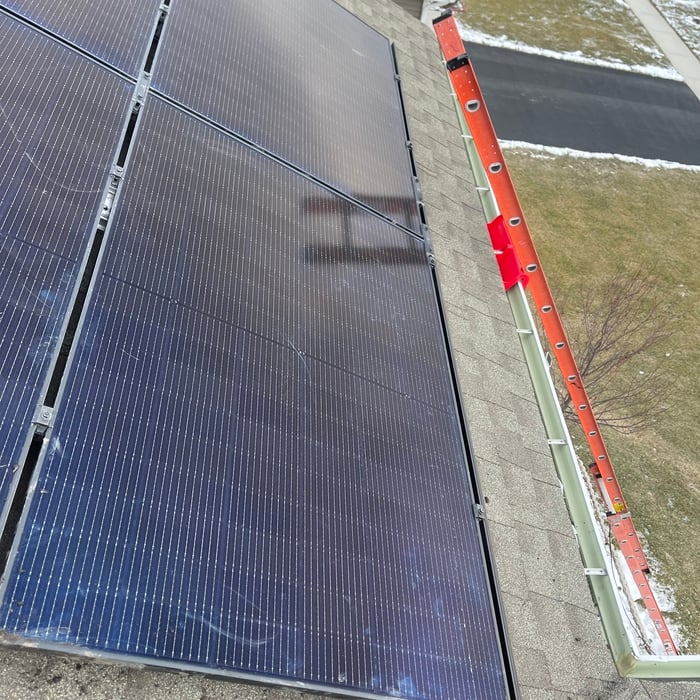
We are the experts in the field of Whole Home Generator Sales and Installation, with over 20 years of experience in the game.\nWe provide turn-key installation by licensed professionals - 24 hour emergency service - Remote Monitoring - Long term maintenance and service by factory trained technicians.

Additional Photos
Additional Photos
Additional Photos
Additional Photos
Additional Photos

+3

17 neighbors recently requested a quote
Avatar for Enable Electric
Enable Electric
4.8(
3
)
Fixed Generator - Install

Serving Somonauk, IL and surrounding areas

Approved

In business since 2014

Free estimates

Warranties offered

"My experience working with Carlos at Enable Electric was seemless. Carlos was extremely attentive with communication, on time for visits and completed my electrical panel swap successfully. I highly recommend Enable Electric and will most definitely be hiring them again for additional projects in the very near future!"
Response time5 hrs
Recommended by100%of homeowners

Scardino Electric, Inc.
5.0(
3
)
Generator - Install - For BusinessGenerator - Repair - For Business

Serving Somonauk, IL and surrounding areas

Approved

In business since 1970

Free estimates

Credit card accepted

With over 50 years of business serving the Chicago metro area, Scardino Electric, Inc., is the way to go for all your wiring and panel upgrade needs. We take great pride in our extreme professionalism, timeliness, and superior customer service on every job. We make sure to do excellent work on every visit, answer all questions, and develop lasting relationships with all our clients so, that the next time service is needed, there will be no question on who to call. Contact us today for a free estimate. Satisfaction Guaranteed!

Response time11 hrs
Response rate100%
Recommended by100%of homeowners
Showing 1-10 of 32
Generator Install FAQs, answered by experts

While diesel is relatively stable, it won’t last nearly as long as propane and you may have to replace it if it sits unused for too long. Diesel can sometimes struggle to work efficiently or start engines during especially cold weather, so it’s not the best choice for every climate. Compared to fuels like propane and natural gas, diesel generators tend to be noisier and create more exhaust, which isn’t always ideal for home use.

To determine the right size generator for your house, you should calculate the total wattage of the appliances and devices you want to power during an outage. List all essential items, note their start-up wattages, and add them together.

Here are some typical wattage requirements for common appliances:

  • Refrigerator: 600 watts

  • Large dehumidifier: 700 watts

  • Large window air conditioner: 1,400 watts

  • Water heater: 3,000 to 4,500 watts

  • Electric furnace: 5,000 to 25,000 watts

A 7,500-watt generator might be sufficient for essentials like a refrigerator, freezer, well pump, and lighting circuits. However, for high-demand items like a water heater or furnace, a whole-home generator is a better choice. A portable generator may be enough if you only need to power a few critical items.

While home square footage can offer a rough estimate, it is not always a reliable indicator. For reference, here are some typical generator sizes based on square footage:

  • 1,000 sq ft: 6–9 kW

  • 1,500 sq ft: 7–10 kW

  • 2,000 sq ft: 10–14 kW

  • 2,500 sq ft: 12–16 kW

  • 3,000 sq ft: 16–20 kW+

For the most accurate sizing, consult a professional who can calculate your home's peak and average power consumption and recommend the optimal generator.

Here’s what you can run with different wattages and types of generators:

Portable generator:

  • 2,000 watts can handle a large appliance like a freezer or refrigerator, plus a few smaller items like phones or computer chargers. 

  • 4,000 watts will keep two large appliances operating and a few smaller devices.

  • 8,000 watts should power most essential appliances and other devices, including a sump pump, well pump, or your dishwasher.

Partial to whole-house generator:

  • 20,000 watts and above will make it seem like your home’s power is still on.

An undersized whole-house generator has the potential to overheat and shut down when you try to run a central AC system. This scenario can not only damage the whole-house generator, but can also trip your home’s breakers or cause electrical damage. To avoid this situation, hire a local generator installer to correctly size your whole-house generator.

Generators are safe to use as long as they are installed and operated correctly according to the manufacturer's recommendations. The most critical safety tips are to never use a portable or fuel-powered generator inside an enclosed space due to the risk of lethal carbon monoxide poisoning; always operate it outdoors where fumes can dissipate away from your home. Additionally, never attempt to connect a generator to your home’s electrical panel yourself—hire a professional to ensure the setup meets safety standards. Finally, avoid overloading the generator by not connecting more appliances than it is rated for, as this can damage your equipment or cause a fire.

The Somonauk, IL homeowners’ guide to generator installs

From average costs to expert advice, get all the answers you need to get your job done.