



Top-rated radon detection and reduction specialists.

Get matched with top radon detection and reduction specialists in New Athens, IL

Enter your zip and get matched with up to 5 pros

Need a pro for your radon detection and reduction project in New Athens, IL?

Select your specific project to find the pro for you.

Find Radon detection and reduction specialists in New Athens

Avatar for Scope Environmental
Scope Environmental
5.0(
15
)

Serving New Athens, IL and surrounding areas

In business since 2023

Free estimates

Small jobs welcome

"TESTING FOR ASBESTOS I need to make sure people know about a man named Jeff Miller Owner of Scope Environmental. I wanted to have my basement checked for Asbestos. This man was absolutely the nicest person. Jeff is a professional, who explained things extremely well and in detail, offered positives suggestions, and extremely knowledgeable. Oh, and extremely honest and helpful. If you ever want to have your basement checked for Radon or Asbestos or Mold, please call this nice man who has a vast amount of experience and knowledge on these three issues. His phone number is 314-220-1810. His pricing is very reasonable and he is Certified in the State of Missouri which is a requirement by the State to do testing. He sure put my mind at peace."
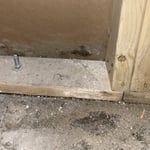
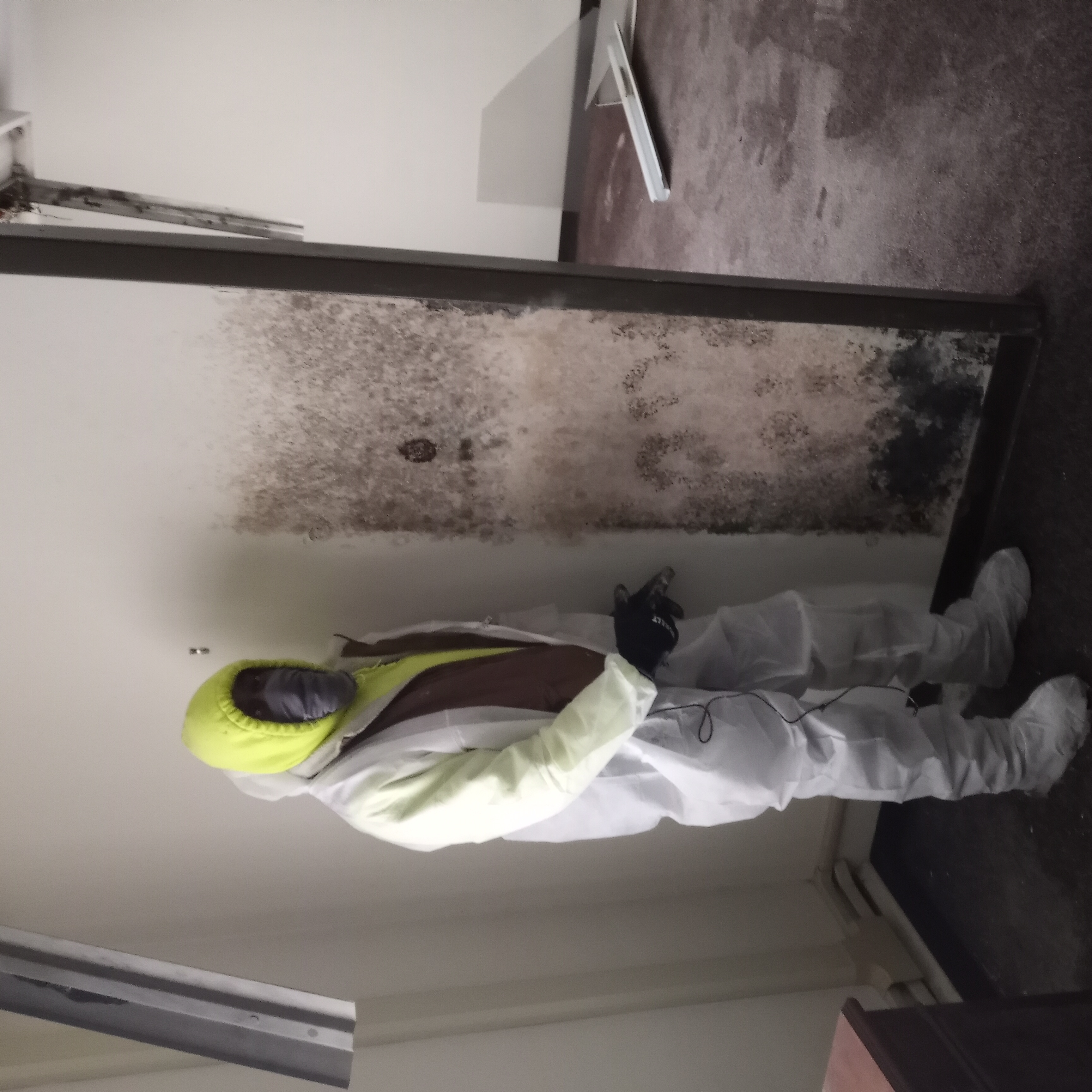
Black mold inside closet
Mold growth in HVAC Closet
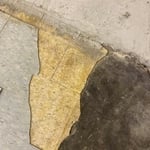
Asbestos Flooring
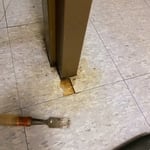
Floor sample collection
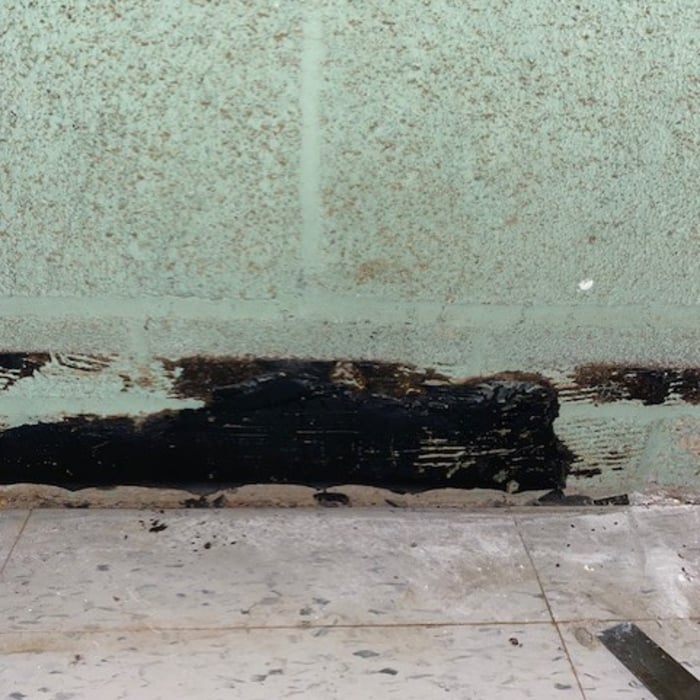
Asbestos Adhesive

+10

Response time4 hrs
Response rate96%
Recommended by73%of homeowners
Avatar for Loving Mold Removal
Loving Mold Removal
4.6(
26
)

Serving New Athens, IL and surrounding areas

In business since 2019

Free estimates

Emergency services offered

"K&E was very responsive to my request through Angi and came the same day (a Saturday) to review the work. He gave a reasonable estimate and completed the work the following Monday. I really appreciated the quick turnaround. However, he did not provide the contractcertifications and company info prior to coming to do the work as he said. He was not responsive to my emails and text messages about the contract and work start due to bad weather. Clean up was pretty good, but I did find chipped paint debris when I expected to all of that vacuumed away. That's why I gave a 4 point rating rather than a 5. I will not need to hire again because the lead and asbestos have been abated and there is no need for further work."
Mold Testing and Remediation Project
Additional Photos
Additional Photos
Additional Photos
Additional Photos

+43

Recommended by87%of homeowners
Radon Detection and Reduction questions, answered by experts

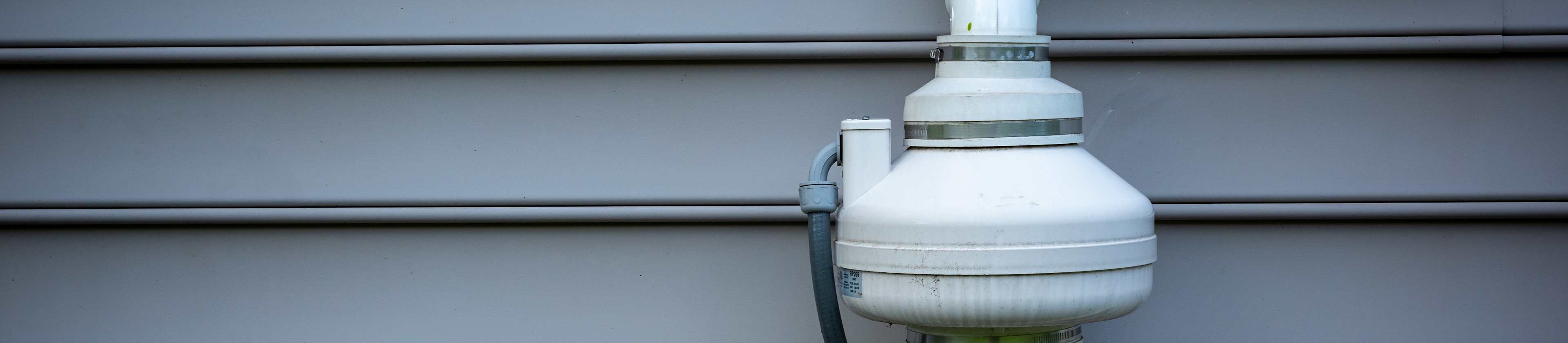
The lifespan of a radon mitigation system depends on the type of system and its maintenance. With proper care, a system can last for many decades. Passive systems tend to last longer as they have fewer components that require replacement. Active systems, which have more moving parts like fans, generally have a shorter lifespan. For instance, water filtration devices and active pressurization systems require more frequent maintenance. While the system as a whole is durable, the radon fan in an active system typically has a lifespan of 5 to 10 years and will need to be replaced. As long as the fan is working, the mitigation system should function correctly.

The soil beneath your house is most likely what’s causing an increased level of radon. This is because soil holds radioactivity for a long time and it’s also what most buildings are built on. Another common source of radon is water from a source that hasn’t been through periodic radon tests, such as well water. Over time, the radon from the soil can inhabit other parts of your house like the foundation or plumbing.

The natural breakdown of uranium in soil, rock, and water can cause radon to appear in a home. The gas seeps into homes through cracks in foundations, walls, or floors, as well as through gaps around pipes or construction joints. Radon levels are influenced by soil composition, building materials, and ventilation. Poorly sealed or airtight homes can trap radon, allowing it to accumulate.

The fan that pulls the radon out of the air needs to run continuously, so you may see an increase in your electric bill once you install the mitigation system. Additionally, you may see an increase in your heating or cooling bills, as the fan can cause some loss of hot or cool air.

The cost to replace a radon fan ranges from $300 to $600 for the fan itself, with installation adding an additional $200 to $500. Overall, the total cost for replacement can range from $500 to $1,100, depending on factors such as the fan model, home size, and local labor rates. If the fan is part of a larger radon mitigation system, the price may be higher.

The New Athens, IL homeowners’ guide to radon detection and reduction services

From average costs to expert advice, get all the answers you need to get your job done.