





Top-rated radon detection and reduction specialists.

Get matched with top radon detection and reduction specialists in Swansea, IL

Enter your zip and get matched with up to 5 pros

Need a pro for your radon detection and reduction project in Swansea, IL?

Select your specific project to find the pro for you.

Find Radon detection and reduction specialists in Swansea

Avatar for Scope Environmental
Scope Environmental
5.0(
15
)
Radon Gas - Testing

Serving Swansea, IL and surrounding areas

In business since 2023

Free estimates

Small jobs welcome

"TESTING FOR ASBESTOS I need to make sure people know about a man named Jeff Miller Owner of Scope Environmental. I wanted to have my basement checked for Asbestos. This man was absolutely the nicest person. Jeff is a professional, who explained things extremely well and in detail, offered positives suggestions, and extremely knowledgeable. Oh, and extremely honest and helpful. If you ever want to have your basement checked for Radon or Asbestos or Mold, please call this nice man who has a vast amount of experience and knowledge on these three issues. His phone number is 314-220-1810. His pricing is very reasonable and he is Certified in the State of Missouri which is a requirement by the State to do testing. He sure put my mind at peace."
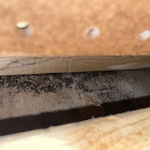
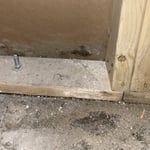
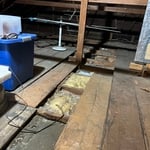
Black mold inside closet
Mold growth in HVAC Closet
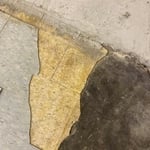
Asbestos Flooring
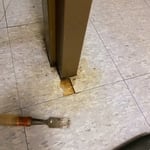
Floor sample collection
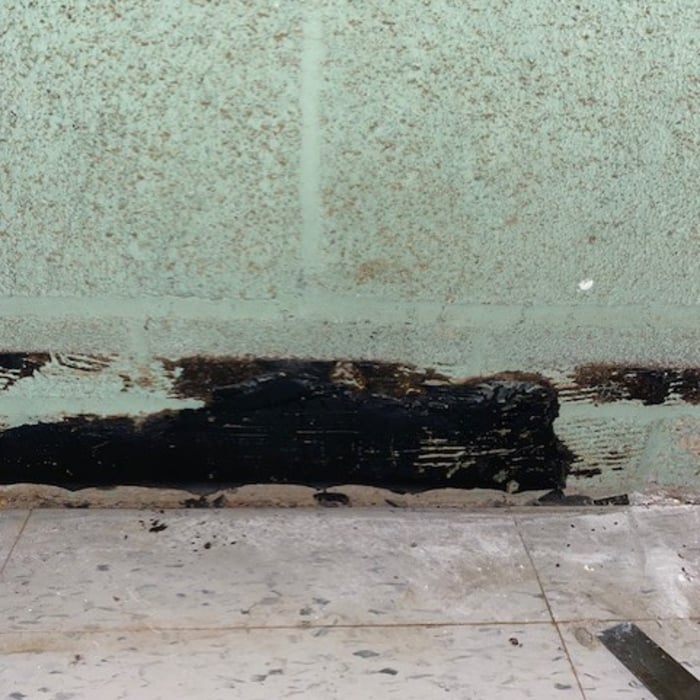
Asbestos Adhesive

+10

Response time4 hrs
Response rate96%
Recommended by73%of homeowners
Avatar for Loving Mold Removal
Loving Mold Removal
4.6(
26
)
Radon Gas - Testing

Serving Swansea, IL and surrounding areas

In business since 2019

Free estimates

Emergency services offered

"We were in the depths of nesting when we realized we were running out of time to paint the nursery before our first baby arrived. We live in an older house, so we were quite concerned about lead safety as well as minimizing paint fume exposure for my wife and newborn. We realized we needed to work with a professional who could take all of this into account and act quickly to make sure the room was ready in time. Kenneth was very accommodating to us. I'm confident we were challenging to work with given the circumstances, but he never made us feel that way. He took our concerns seriously and talked us through a variety of options to find something that worked for us. He was kind, responsive, and moved quickly to keep us on schedule. When we had notes or changes, he was quick to address them. There were a few aspects of the finish that weren't as polished as we hoped, but overall he was great to work with. The project was completed on time, and we were grateful to have his help during such a stressful moment."
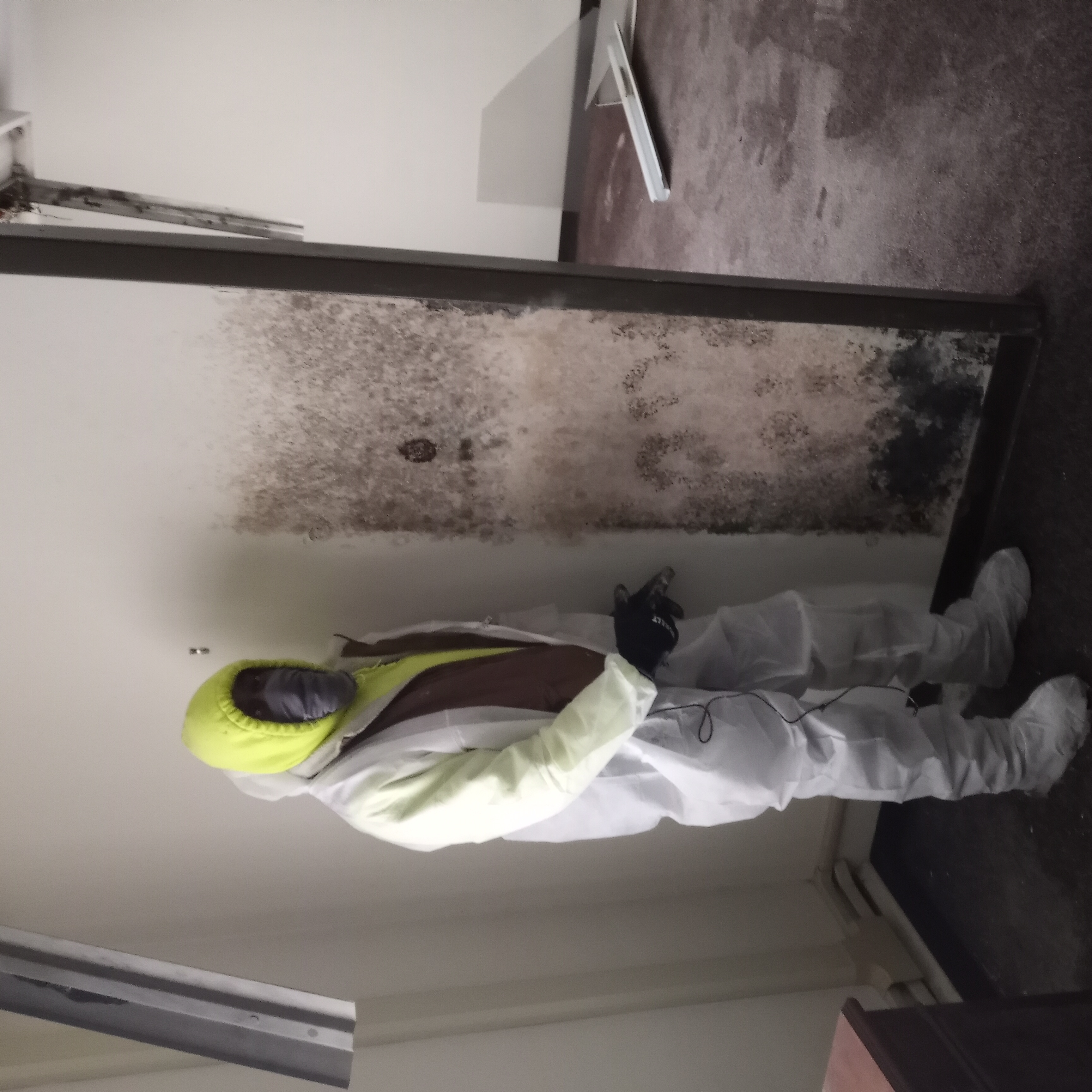
Mold Testing and Remediation Project
Additional Photos
Additional Photos
Additional Photos
Additional Photos

+43

Recommended by87%of homeowners
Radon Detection and Reduction questions, answered by experts

A homeowner can install a radon mitigation system on their own. But it’s a challenging DIY that requires a lot of knowledge about radon mitigation as well as familiarity with local regulations. You do not want to risk an improper installation that leaves the system unable to detect radon or gives it a shortened life span. Relying on a professional is the surest way to guarantee a successful installation.

No level of radon is technically safe, but since it is naturally present everywhere, it is impossible to avoid entirely. The average radon level in homes across the United States is 1.3 picocuries per liter (pCi/L). The Environmental Protection Agency (EPA) recommends taking action to reduce radon levels if your home's test results are between 2 and 4 pCi/L or higher.

Radon enters your home when warm air begins to rise and exits through the roof, creating a vacuum that pulls cooler air from under the foundation. Part of that air is radon, which is an invisible, odorless gas that develops naturally when radioactive particles are deep within the ground. Those particles usually come from decaying matter in soil and rocks.

Keeping radon from getting into your home is much better than having to get rid of it once it's already indoors. While there may not be a way to fully prevent radon from getting into your home, there are things you can do to reduce the gas's ability to enter. 

Sealing foundation cracks and openings can help keep the gas from seeping inside. Improving air flow, such as by opening windows, can also be helpful. If you're building your home from scratch, talk to your contractor about using radon-resistant construction to keep the gas out.

You can vent radon out of your house sometimes by simply opening a window, but it won’t remove the source, and will likely rise above recommended levels quickly. A professional will be needed to assess your home, and determine the best strategy for radon removal. Active radon sump pumps and soil depressurization systems are often used to forcefully vent the radon from your home.

The Swansea, IL homeowners’ guide to radon detection and reduction services

From average costs to expert advice, get all the answers you need to get your job done.