




Top-rated radon detection and reduction specialists.

Get matched with top radon detection and reduction specialists in Washington Park, IL

Enter your zip and get matched with up to 5 pros

Need a pro for your radon detection and reduction project in Washington Park, IL?

Select your specific project to find the pro for you.

Find Radon detection and reduction specialists in Washington Park

Avatar for Scope Environmental
Scope Environmental
5.0(
15
)
Radon Gas - Testing

Serving Washington Park, IL and surrounding areas

In business since 2023

Free estimates

Small jobs welcome

"TESTING FOR ASBESTOS I need to make sure people know about a man named Jeff Miller Owner of Scope Environmental. I wanted to have my basement checked for Asbestos. This man was absolutely the nicest person. Jeff is a professional, who explained things extremely well and in detail, offered positives suggestions, and extremely knowledgeable. Oh, and extremely honest and helpful. If you ever want to have your basement checked for Radon or Asbestos or Mold, please call this nice man who has a vast amount of experience and knowledge on these three issues. His phone number is 314-220-1810. His pricing is very reasonable and he is Certified in the State of Missouri which is a requirement by the State to do testing. He sure put my mind at peace."
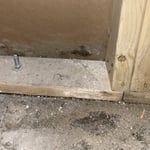
Black mold inside closet
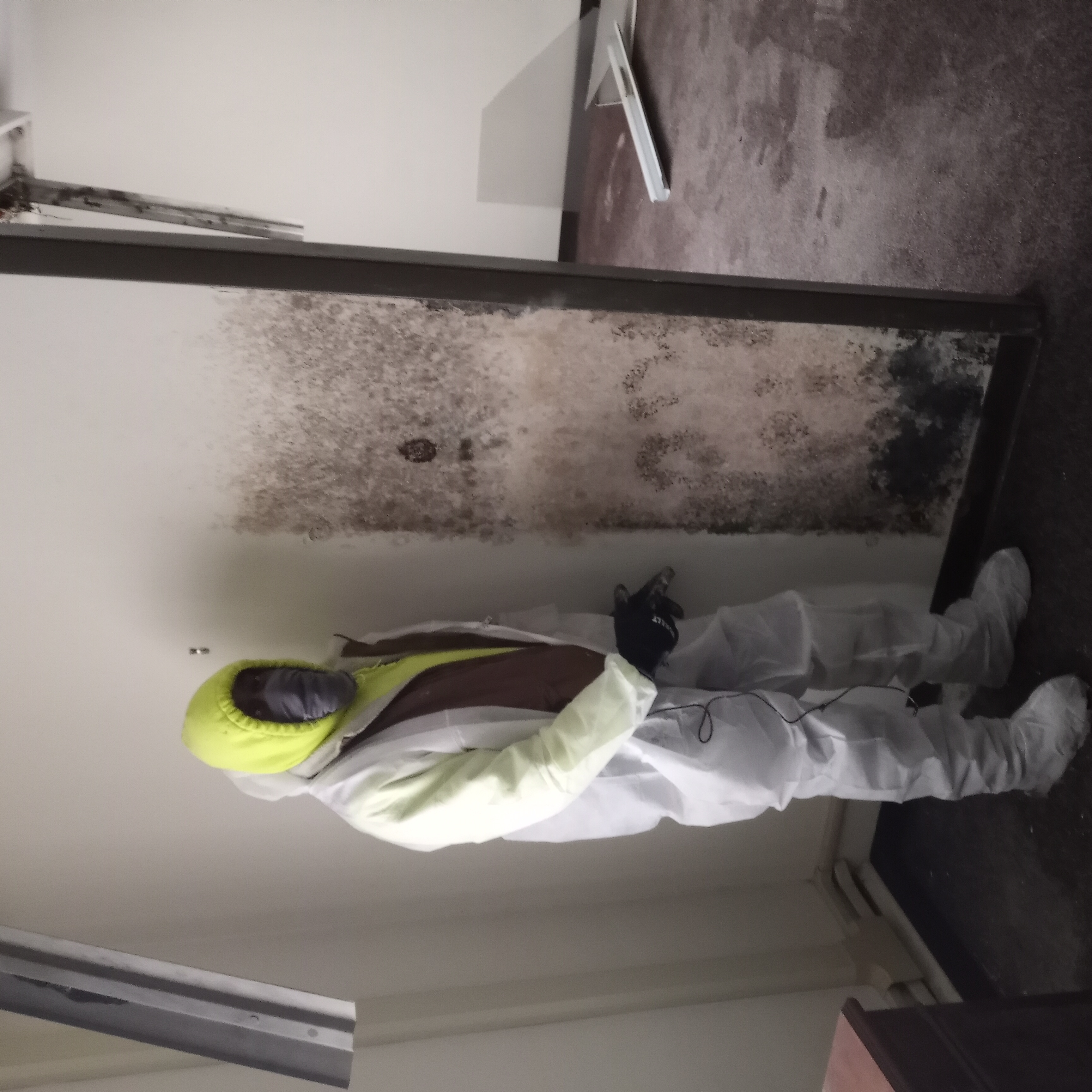
Mold growth in HVAC Closet
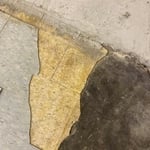
Asbestos Flooring
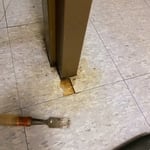
Floor sample collection
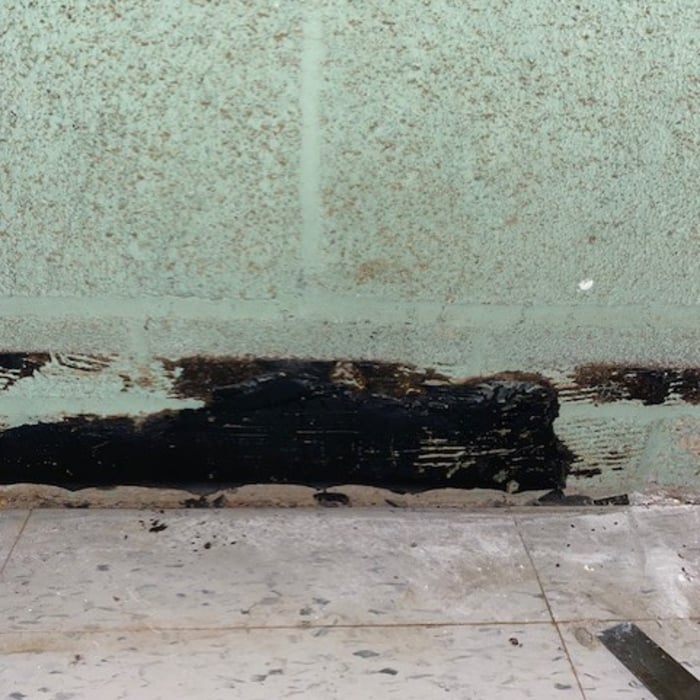
Asbestos Adhesive

+10

Response time4 hrs
Response rate96%
Recommended by73%of homeowners
Radon Detection and Reduction questions, answered by experts

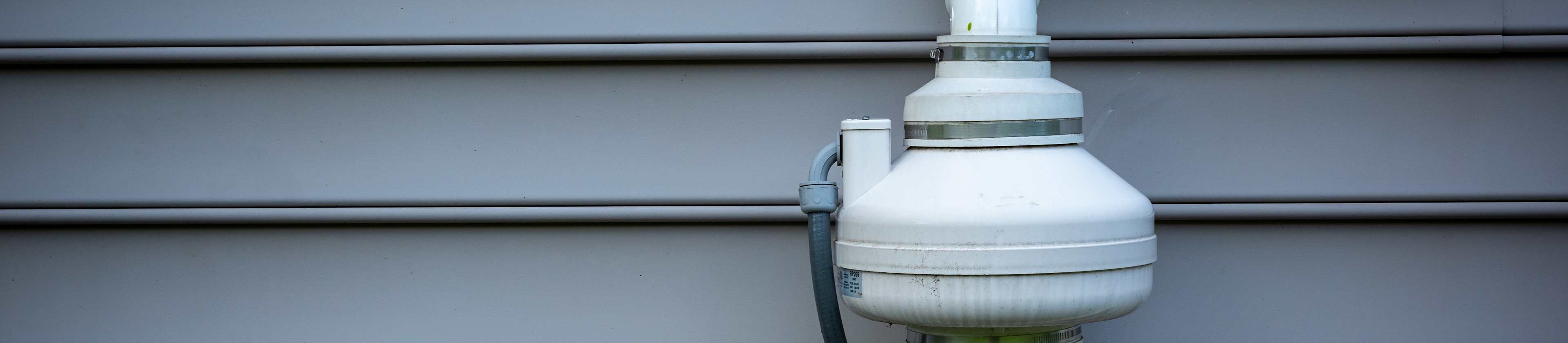
The cost to replace a radon fan ranges from $300 to $600 for the fan itself, with installation adding an additional $200 to $500. Overall, the total cost for replacement can range from $500 to $1,100, depending on factors such as the fan model, home size, and local labor rates. If the fan is part of a larger radon mitigation system, the price may be higher.

Radon enters your home when warm air begins to rise and exits through the roof, creating a vacuum that pulls cooler air from under the foundation. Part of that air is radon, which is an invisible, odorless gas that develops naturally when radioactive particles are deep within the ground. Those particles usually come from decaying matter in soil and rocks.

You can vent radon out of your house sometimes by simply opening a window, but it won’t remove the source, and will likely rise above recommended levels quickly. A professional will be needed to assess your home, and determine the best strategy for radon removal. Active radon sump pumps and soil depressurization systems are often used to forcefully vent the radon from your home.

While DIY testing is possible, abatement generally requires professional installation to ensure efficacy and meet safety standards.

Radon is present almost everywhere but, like sunlight, the concentration levels and how often you are exposed to it have a large part to play in just how dangerous it is. There are levels of radon that are acceptable inside a house, but above a certain limit, radon becomes a serious radioactive hazard that is a known cause of lung cancer. In fact, radon exposure is the number two leading cause of lung cancer (after smoking).

The Washington Park, IL homeowners’ guide to radon detection and reduction services

From average costs to expert advice, get all the answers you need to get your job done.