









Top-rated radon detection and reduction specialists.

Get matched with top radon detection and reduction specialists in Monroe Center, IL

Enter your zip and get matched with up to 5 pros

Need a pro for your radon detection and reduction project in Monroe Center, IL?

Select your specific project to find the pro for you.

Find Radon detection and reduction specialists in Monroe Center

Avatar for Gardner Services
Gardner Services
4.7(
16
)
Radon Gas - Abatement

Serving Monroe Center, IL and surrounding areas

Approved

In business since 1996

Free estimates

Emergency services offered

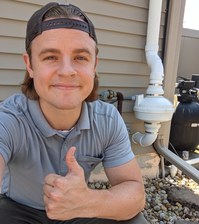
"David, at Gardner Environmental Services, professionally performed numerous air sample tests inside our home due to a minor smelling of mold in one spot.Fortunately, his lab resource came back with negative results on each location sample David tested. David was reassuring and pleasant to work with. I would recommend his company, to anyone."
Additional Photos
Additional Photos
Additional Photos
Additional Photos
Additional Photos

+18

Response time7 hrs
Response rate100%
13 neighbors recently requested a quote
Avatar for Radman Radon Testing
Radman Radon Testing
5.0(
7
)
Radon Gas - Abatement

Serving Monroe Center, IL and surrounding areas

In business since 2020

Free estimates

Warranties offered

"RADMAN did an outstanding job installing a radon mitigation system in my home. His crew knows what they are doing and the results speak for themselves. Within hours after starting up the system my Radon level went from 20 to less than 1 Picocuurie per liter."
Response time1 day
Recommended by100%of homeowners
Radon Detection and Reduction questions, answered by experts

There are steps you can take as a homeowner to remediate radon yourself. While a radon reduction professional can make the biggest impact in your home, you can make efforts to improve radon levels on your own by sealing cracks, increasing ventilation, and testing for radon regularly.

The natural breakdown of uranium in soil, rock, and water can cause radon to appear in a home. The gas seeps into homes through cracks in foundations, walls, or floors, as well as through gaps around pipes or construction joints. Radon levels are influenced by soil composition, building materials, and ventilation. Poorly sealed or airtight homes can trap radon, allowing it to accumulate.

No level of radon is technically safe, but since it is naturally present everywhere, it is impossible to avoid entirely. The average radon level in homes across the United States is 1.3 picocuries per liter (pCi/L). The Environmental Protection Agency (EPA) recommends taking action to reduce radon levels if your home's test results are between 2 and 4 pCi/L or higher.

The lifespan of a radon mitigation system depends on the type of system and its maintenance. With proper care, a system can last for many decades. Passive systems tend to last longer as they have fewer components that require replacement. Active systems, which have more moving parts like fans, generally have a shorter lifespan. For instance, water filtration devices and active pressurization systems require more frequent maintenance. While the system as a whole is durable, the radon fan in an active system typically has a lifespan of 5 to 10 years and will need to be replaced. As long as the fan is working, the mitigation system should function correctly.

Ideally, no one will live in a house with elevated radon levels, as prolonged exposure increases the risk of serious health issues like lung cancer. However, homes with radon can be made safe through mitigation systems, such as active soil depressurization. Testing for radon regularly and addressing high levels helps ensure a safe living environment.

The Monroe Center, IL homeowners’ guide to radon detection and reduction services

From average costs to expert advice, get all the answers you need to get your job done.