







Top-rated radon detection and reduction specialists.

Get matched with top radon detection and reduction specialists in Kingston, IL

Enter your zip and get matched with up to 5 pros

Need a pro for your radon detection and reduction project in Kingston, IL?

Select your specific project to find the pro for you.

Find Radon detection and reduction specialists in Kingston

Avatar for Bull's Eye Home Inspection
Bull's Eye Home Inspection
4.8(
28
)

Serving Kingston, IL and surrounding areas

Approved

Super Service Award Winner

In business since 2014

Free estimates

Small jobs welcome

"Matt from Bull’s Eye Home Improvement was very attentive, responsive, and cordial throughout the quote and inspection processes. I would recommend him. In addition, his home inspection report was very well done, easy to interpret, and quickly delivered."
Knee wall in Chicago Bungalow
Hydronic floor heating
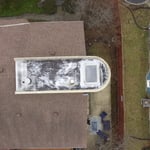
Small flat roof on gable shingled roof
Overview of townhome in Glenview
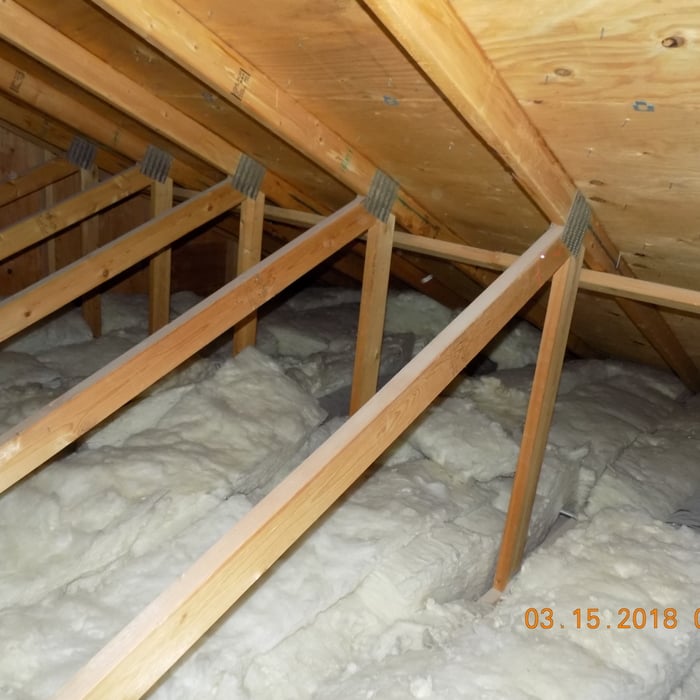
Townhome Attic

+4

Response time4 hrs
18 neighbors recently requested a quote
Recommended by92%of homeowners

Radon Detection and Reduction questions, answered by experts

The average radon mitigation system uses about 876 kWh of electricity per year, although the exact amount of electricity used will vary depending on the size of the radon fan. Once the system is installed, the annual increase to your energy bill could range from $30 to $300 per year, again depending on the size of the fan.

The fan that pulls the radon out of the air needs to run continuously, so you may see an increase in your electric bill once you install the mitigation system. Additionally, you may see an increase in your heating or cooling bills, as the fan can cause some loss of hot or cool air.

The soil beneath your house is most likely what’s causing an increased level of radon. This is because soil holds radioactivity for a long time and it’s also what most buildings are built on. Another common source of radon is water from a source that hasn’t been through periodic radon tests, such as well water. Over time, the radon from the soil can inhabit other parts of your house like the foundation or plumbing.

Your radon mitigation system may be loud because it’s time to replace it. Any sounds are usually from the inline fan that helps create the vacuum and resulting airflow. If you hear a new, loud mechanical or humming noise from your radon fan, it might be time to replace it. Most fans used in radon mitigation systems last up to 10 years, but may need to be replaced sooner.

Radon enters your home when warm air begins to rise and exits through the roof, creating a vacuum that pulls cooler air from under the foundation. Part of that air is radon, which is an invisible, odorless gas that develops naturally when radioactive particles are deep within the ground. Those particles usually come from decaying matter in soil and rocks.

The Kingston, IL homeowners’ guide to radon detection and reduction services

From average costs to expert advice, get all the answers you need to get your job done.

What do you need done? We’ll find top pros.
  • 🌱 "Mow a small front yard"
  • 🛠 "Fix a leaking pipe under the sink"
  • 🏠 "Repair shingles on an asphalt roof"