





Top-rated paving pros.

Best paving pros near Mackinaw, IL

Enter your zip and get matched with up to 5 pros

Need a pro for your paving service project in Mackinaw, IL?

Select your specific project to find the pro for you.

TRUSTED BY MACKINAW, IL HOMEOWNERS

  • Average homeowner rating star icon4.3
    Average homeowner rating
  • Verified reviews icon11
    Verified paving services reviews

Top-Rated Paving pros in Mackinaw - Updated Nov 2026

Fontaine Home Services
5.0(
2
)
Gravel or Loose Fill Paving - Install, Spread or Scrape

Serving Mackinaw, IL and surrounding areas

Approved

In business since 2024

Free estimates

Emergency services offered

"Cannot recommend him enough. We needed a total reset—front yard, backyard, stumps, and even a rotting treehouse—and he handled it all. He worked incredibly hard, cleaned up thoroughly, coordinated line marking, and kept us updated throughout the entire project. Professional, efficient, and just genuinely great to work with."
Response time10 hrs
Response rate96%
5 neighbors recently requested a quote
Nature Scapes
5.0(
15
)
Gravel or Loose Fill Paving - Install, Spread or ScrapeInterlocking Pavers for Patios, Walks & Steps - Install

Serving Mackinaw, IL and surrounding areas

In business since 2024

Free estimates

Credit card accepted

"They were very professional Leveled my yard with 6 tons of dirt and we got hit with a heavy rain They didn't hesitate to get more dirt to fix what the rain washed away I would recommend nature scapes for any landscaping Awesome job to all you guys"
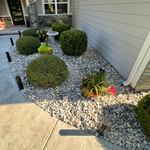
Basic Lawn Care
Replaced old mulch and bushes with rock
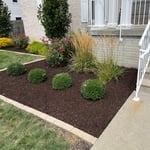
Basic Lawn Care
We've redone the entire mulch/flower bed
We've redone the entire mulch bed

+17

Response time12 hrs
Recommended by100%of homeowners
Showing 1-10 of 40
Paving Services FAQs, answered by experts

You can pour concrete over asphalt if it’s in good condition, thick, stable, and well-compacted. Concrete is more durable than asphalt and can extend the lifetime of your driveway without having to pay frequent asphalt driveway repair costs or replace it completely. 

But this is best reserved as a temporary solution based on budget restraints, as asphalt requires more frequent repairs and assessments than concrete. Once that concrete top is poured, it’ll be harder to accurately understand what’s happening beneath that layer, which could lead to more issues.

Many asphalt companies have experience with tar and chip paving, but not all. The process is unique enough—and not incredibly common enough—that you may have to look around for a tar and chip specialist. However, speaking with a driveway company is a great place to start, especially if they have experience with multiple materials.

Wet cutting is usually the preferred method. It controls dust, which helps protect your lungs and makes for a cleaner working environment. Plus, the water cools the blade, preventing overheating and prolonging its life while providing smoother, more precise cuts. The downside is the mess—water and asphalt sludge can be messy to clean. Dry cutting, though convenient if water isn’t available, creates a lot of dust, which can be harmful. This also increases the risk of blade damage due to overheating. So, if you have the option, wet cutting is the better method for most asphalt jobs.

Maintaining a driveway depends on its material. For concrete and asphalt, it's best to clean the surface thoroughly twice a year with a stiff broom and a pressure washer to remove accumulated dirt and debris. Sealing the driveway is crucial to protect it from water damage and freeze-thaw cycles. Before applying a sealant, pressure wash the surface to remove any loose sealant, dirt, or stains, as sealing over them will trap them. Any cracks or expansion joints should be filled with a flexible polyurethane caulk or asphalt sealer. In colder climates, use sand instead of salt for de-icing. Sand helps melt snow and ice without accelerating the freeze-thaw process, which can cause cracks.

The dimensions of a driveway apron vary based on local building codes, the width of your driveway, and the distance between the driveway and the road. On average, aprons range from 12 to 24 feet wide and 8 to 18 feet long. Typically, the end of the apron connected to the driveway matches its width—such as 10 to 12 feet for a single-car driveway—while the end at the street flares out to allow cars to turn in and out more easily. In some areas, you may not be responsible for the portion of the apron that extends beyond the sidewalk, but this depends on local laws.

The Mackinaw, IL homeowners’ guide to paving services

From average costs to expert advice, get all the answers you need to get your job done.