



Top-rated drywall insulation pros.

Get matched with top drywall insulation pros in Lockport, IL

Enter your zip and get matched with up to 5 pros

Need a pro for your drywall insulation project in Lockport, IL?

Select your specific project to find the pro for you.

TRUSTED BY LOCKPORT, IL HOMEOWNERS

  • Average homeowner rating star icon4.5
    Average homeowner rating
  • Verified reviews icon341
    Verified drywall insulation services reviews

Find Drywall insulation pros in Lockport

Avatar for Weather Shield Insulators
Weather Shield Insulators
5.0(
27
)
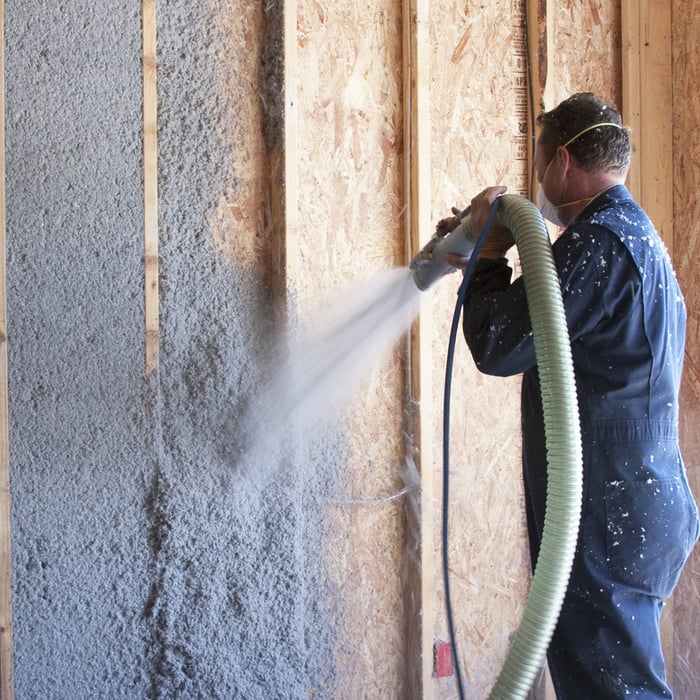
Blown-In Insulation - Install or UpgradeInjection Insulation - InstallInsulation - Install or Upgrade

Serving Lockport, IL and surrounding areas

Approved

In business since 2008

Free estimates

Warranties offered

"I am extremely satisfied with Weather Sheild Insulation. Mr. Gonzalez was courteous , professional, prompt, knowledgeable and very informative. He answered all my questions, gave me several options with Quality materials at a great price. Clean and efficient. I highly recommend."
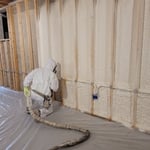
Additional Photos
Additional Photos
Additional Photos
Additional Photos
Additional Photos

+14

Response time11 hrs
2 neighbors recently requested a quote
Recommended by100%of homeowners
Avatar for Attic Pro
Attic Pro
5.0(
28
)
Blown-In Insulation - Install or Upgrade

Serving Lockport, IL and surrounding areas

Approved

In business since 2025

Free estimates

Credit card accepted

"Attic Pro Insulation did an outstanding job! They contacted me 10 minutes after I entered my search information.They were professional, on time, and explained everything clearly. Highly recommend them for anyone needing quality insulation work!"
Response time8 hrs
Response rate100%
20 neighbors recently requested a quote
...
Showing 1-10 of 123
Drywall Insulation questions, answered by experts

While not always necessary, you can glue a drywall ceiling in addition to using screws or nails. Drywall is typically secured to ceiling joists with fasteners, which is often sufficient. However, adding construction adhesive can offer benefits like preventing sagging, bridging gaps, and reducing air leaks for better energy efficiency. It may also be used for specific acoustic or insulation needs. On the other hand, many professionals advise against it because properly placed screws make the drywall structural, glue doesn't add strength, and it makes future repairs or replacements significantly more difficult. Ultimately, it's best to follow local building codes and project-specific requirements to decide if adhesive is right for your ceiling.

Drywall anchors won’t work on plaster. Instead, they will more than likely cause more damage and pull out the plaster. The best type of anchors to use on plaster walls are the ones that will bite into the surrounding area, such as molly bolts and toggle bolts. Masonry anchors with expanders on the sides also work for lighter pictures.
There are some instances when you can use extra drywall in your garden. Ideally, unused scraps of new drywall are best for amending soil without the concern of additional chemicals or mold. However, drywall with paint, mold, or potential asbestos requires specialized disposal by a professional and should be kept out of your garden.

There are six levels of drywall finish, from 0 to 5, that refer to the amount of work performed during the finishing process.

Level 0: Drywall is hung with no finishing work.

Level 1: Tape is placed over the seams between drywall sheets.

Level 2: A thin layer of mud is applied over the tape and screw holes. This level is common for utility rooms or walls that will be covered.

Level 3: A full coat of mud covers the screw holes and tape, but the surface is not sanded. This is often used in garages.
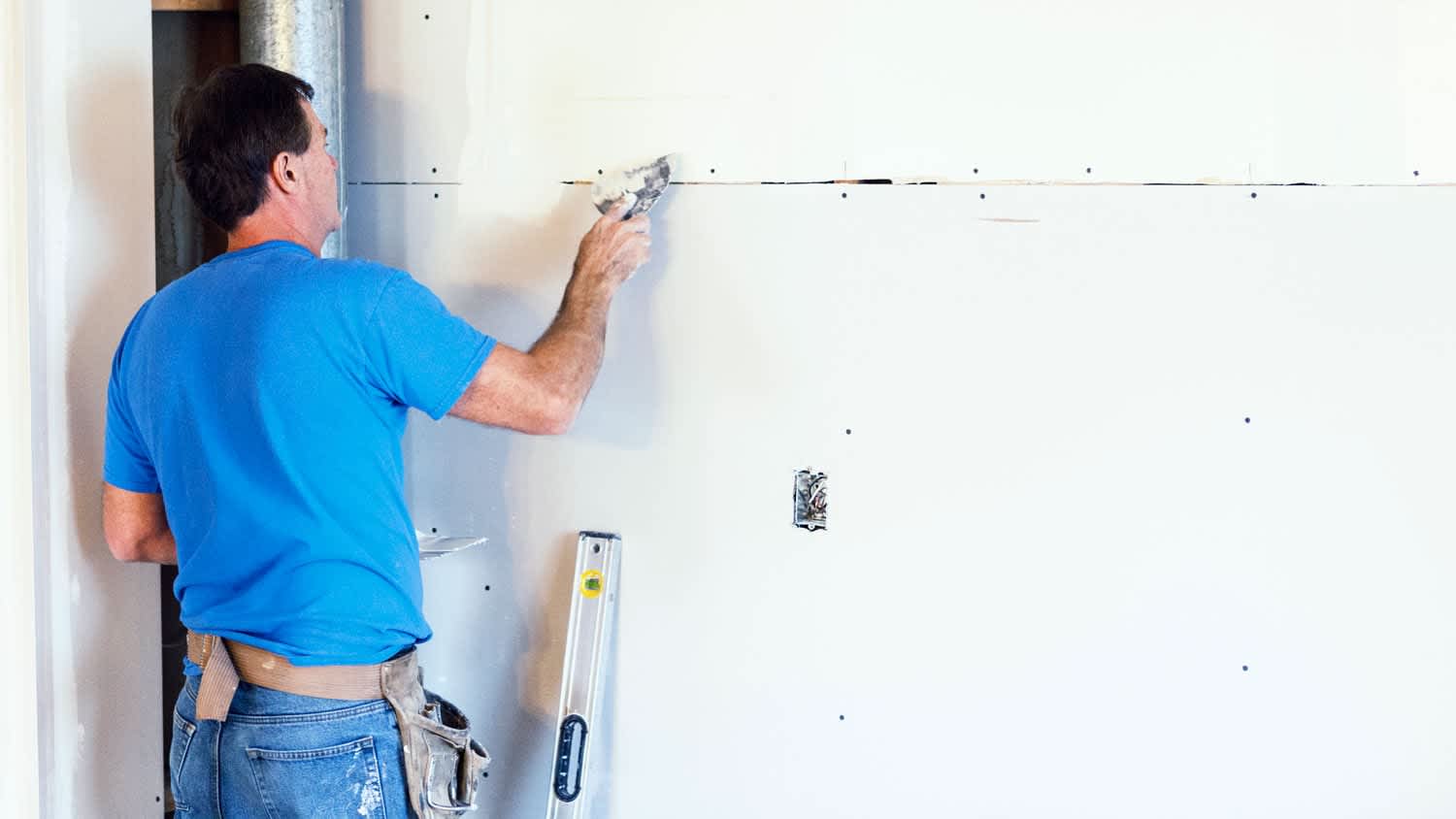

Level 4: This is the most common finish for visible interior walls. It involves applying two coats of mud over seams and screw holes, with sanding between each coat, creating a smooth surface ready for flat paint.

Level 5: This is a high-end finish for luxury homes. It includes full taping, mudding, and sanding, plus a final skim coat over the entire surface before painting.

When choosing materials for finishing basement walls, consider factors such as moisture resistance, durability, and fire resistance. Opt for materials specifically designed for basement environments, like moisture-resistant drywall or cement board. Insulation with vapor barriers can help regulate temperature and prevent condensation. Consider using mold-resistant paints or coatings. 

Research and consult with experts to select materials that are suitable for your specific basement conditions and intended use. Prioritize quality and compatibility to achieve long-lasting and aesthetically pleasing results.

The Lockport, IL homeowners’ guide to drywall insulation services

From average costs to expert advice, get all the answers you need to get your job done.