
Top-rated electricians.

Get matched with top electricians in La Salle, IL

Enter your zip and get matched with up to 5 pros

Need a pro for your electrical service project in La Salle, IL?

Select your specific project to find the pro for you.

TRUSTED BY LA SALLE, IL HOMEOWNERS

  • Average homeowner rating star icon4.7
    Average homeowner rating
  • Verified reviews icon35
    Verified electrical services reviews

Find Electricians in La Salle

Avatar for Tri-State Water, Power & Air
Tri-State Water, Power & Air
5.0(
5
)
Fixed Generator - InstallGenerator - InstallGenerator - Install - For Business

Serving La Salle, IL and surrounding areas

Approved (Corporate)

In business since 1992

Free estimates

Emergency services offered

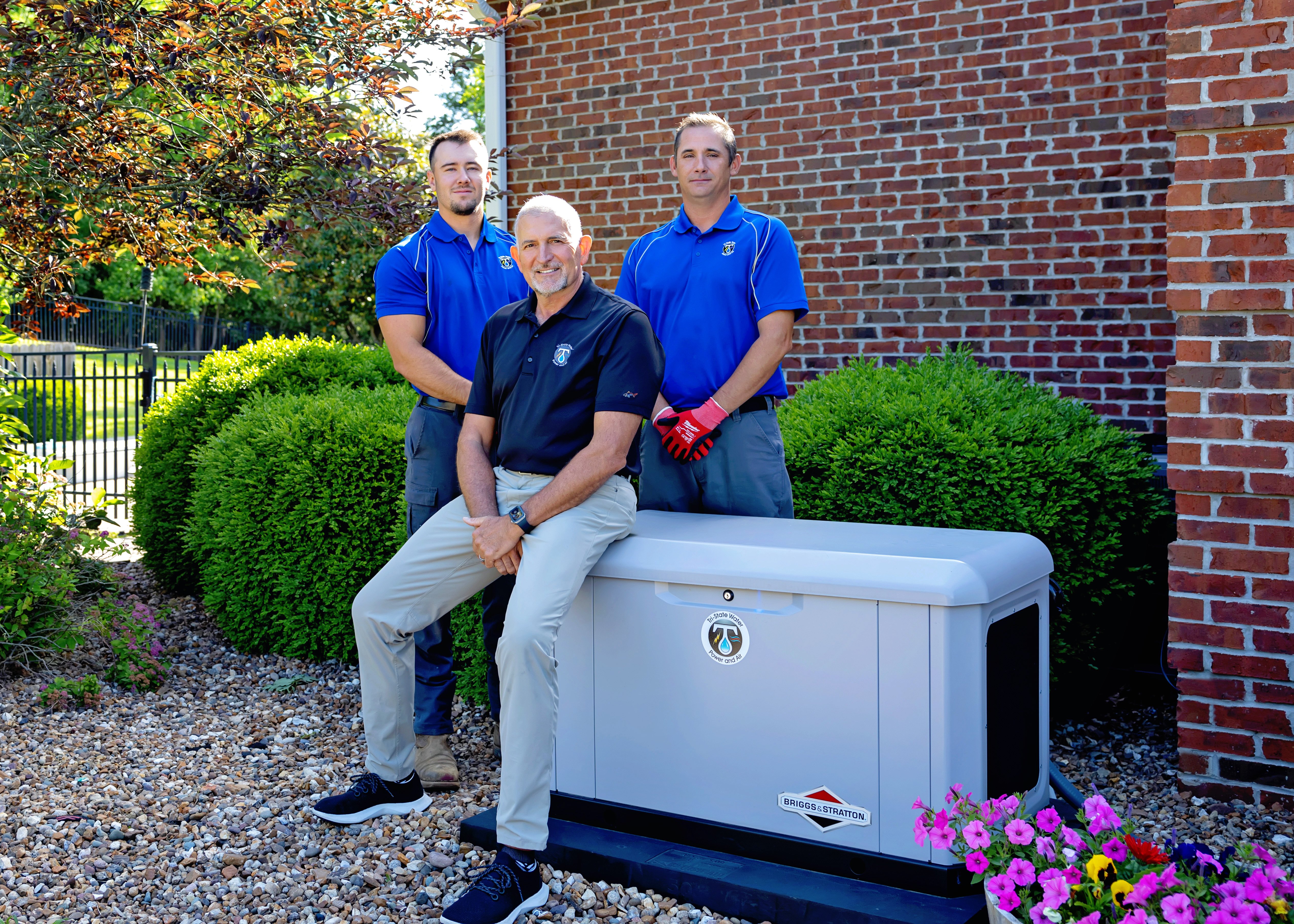
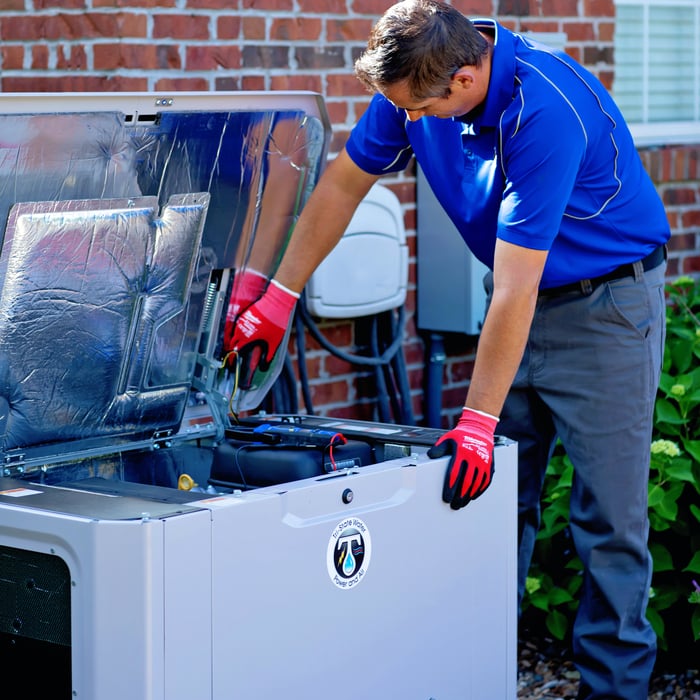
We are the experts in the field of Whole Home Generator Sales and Installation, with over 20 years of experience in the game.\nWe provide turn-key installation by licensed professionals - 24 hour emergency service - Remote Monitoring - Long term maintenance and service by factory trained technicians.

Additional Photos
Additional Photos
Additional Photos
Additional Photos
Additional Photos

+3

18 neighbors recently requested a quote
Avatar for WESTERN STAR LIGHTNING PROTECTION
WESTERN STAR LIGHTNING PROTECTION
5.0(
5
)
Lightning Protection - Install or Repair

Serving La Salle, IL and surrounding areas

Approved

In business since 2013

Free estimates

Credit card accepted

Western Star Lightning Protection is a leading lightning protection and lightning rod installation company that services all western states. As members of NFPA, we only use UL-listed materials. We have the experience and expertise to install lightning protection systems that meets the highest safety standards. Contact us for quotation and you will find that prices are truly affordable. We take great pride in our experience, expertise, quality, and customer service that we provide to meet the consumer's needs. It is our mission to provide excellent workmanship and complete customer satisfaction from start to completion of a project. In order to understand the needs and expectations of our customers, we take great care to work and communicate with every customer in a professional manner. Our reputation is based on service, safety, and quality, regardless of how large or small the job.

Concealed LP Systems
Residential Installs

+17

30 neighbors recently requested a quote

...
Showing 1-10 of 81
Electrical questions, answered by experts

If it’s called a USB outlet without any further designation, it likely refers to a USB-A port. These are the original USB connections and are commonly integrated within power outlets. In recent years, USB-A cables have slowly been usurped by faster and more reliable USB-C cables. USB-C connectors are small and ultra-thin with a reversible design, while USB-A connectors are slightly larger and bulkier.

If you have a garage heater that is 1,500 watts or more, it will need its own breaker. As a good rule of thumb, no appliance should exceed 1,500 watts per outlet for best outcomes. Consult a local garage heating service to determine the power needs for your outdoor or indoor space.

How far you can run underground electric depends on the wire gauge (generally AWG) and the circuit voltage. Too much voltage drop in an electrical circuit can negatively affect performance, so the smaller the voltage drop, the better. Ideally, it shouldn't exceed 3%. The smaller the wire and the longer the run, the more significant the voltage drop. 

For example, with a 120-volt circuit, you can run 60 feet of 12 AWG cable without losing more than 3% voltage. With a 240-volt circuit, you can run 120 feet of 12 AWG wire while maintaining a voltage drop of 3% or less.

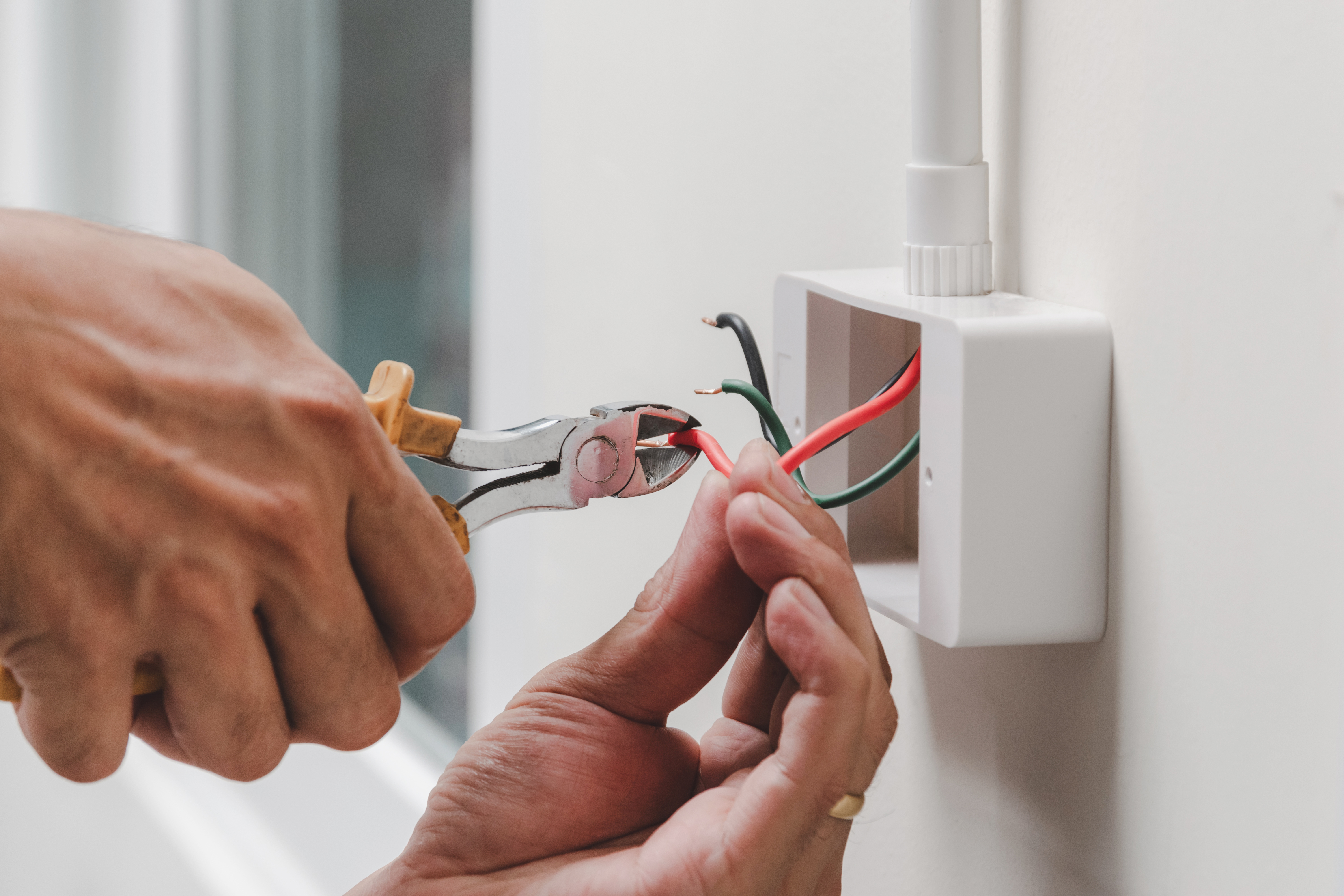
No, it’s extremely dangerous to cap off live electrical wires. Working with live wires puts you at serious risk of electric shock, which can cause injury or even be fatal. Whenever you need to cap off electrical wires or complete any electrical work in general, it’s essential to shut the power off at the breaker before you begin.

The most common gauge for indoor outlets around your home is 12- and 14-gauge wires. But if you’re working with larger appliances like ovens, washing machines, or dryers (all of which require more amplitude), you might find 10-, eight-, or six-gauge wires to help support those hefty appliances.

The La Salle, IL homeowners’ guide to electrical services

From average costs to expert advice, get all the answers you need to get your job done.