






U BUY I BUILD EDWARDSVILLE LLC
Handyman for Multiple Small Projects
Serving Hamel, IL and surrounding areas
Approved
In business since 2025
Free estimates
"Easy to work with and got the job done quickly!"
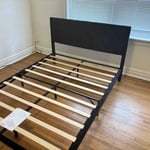
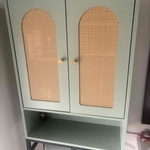
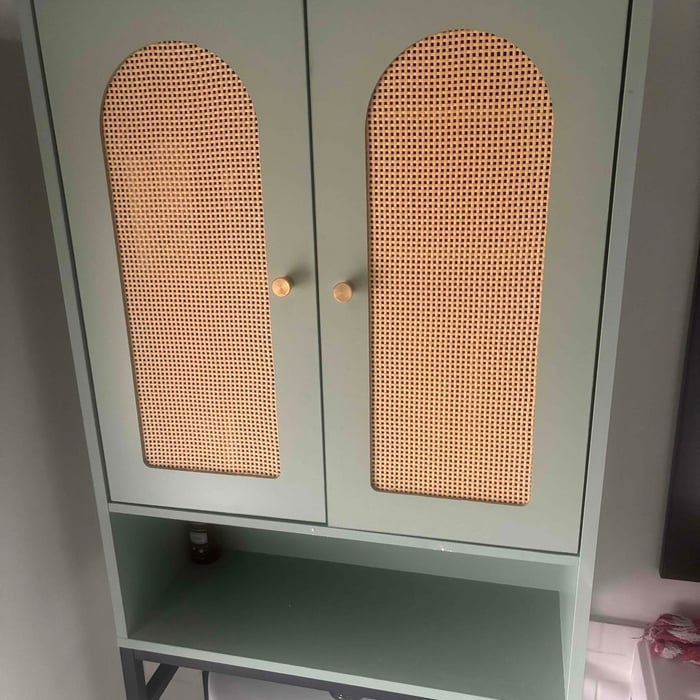
+7

 4.2
4.2  98
98 *The Angi rating for Fire Pit Installation companies in Hamel, IL is a rating based on verified reviews from our community of homeowners who have used these pros to meet their Fire Pit Installation needs.
*The HomeAdvisor rating for Fire Pit Installation companies in Hamel, IL is a rating based on verified reviews from our community of homeowners who have used these pros to meet their Fire Pit Installation needs.
Last update on August 02, 2026
Serving Hamel, IL and surrounding areas
Approved
In business since 2025
Free estimates
"Easy to work with and got the job done quickly!"
+7
Serving Hamel, IL and surrounding areas
Approved
Free estimates
Emergency services offered
Warranties offered
"He arrived on time, very friendly and professional. Did an excellent job on my home. I will hire again."
Serving Hamel, IL and surrounding areas
Approved
In business since 2024
Free estimates
Small jobs welcome
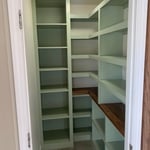
"⭐️⭐️⭐️⭐️⭐️ If you need a handyman or carpenter, look no further than Jacob Home Services! Jacob is seriously the man to call when you need something fixed, built, installed, or repaired. He is incredibly skilled, professional, trustworthy, and takes pride in his work. Most importantly, he does the job right the first time! I’ve personally had Jacob do several projects for me, including a custom pantry, custom closet, toilet repair, TV installation, new baseboards, new flooring in my laundry room, and a custom bathroom cabinet drawer. Every project turned out great, and the attention to detail really stands out. It’s not easy to find someone who can do so many different things and actually does them well. Jacob is dependable, honest, and someone I feel completely comfortable having in my home. If you have a project on your to-do list, call Jacob! You won’t be disappointed. Highly recommend Jacob Home Services! ⭐️⭐️⭐️⭐️⭐️"

Serving Hamel, IL and surrounding areas
Approved
Free estimates
Emergency services offered
Warranties offered
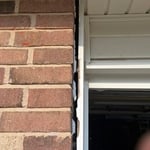
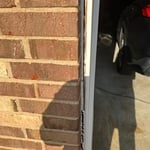
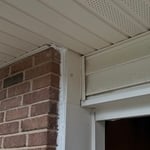
"Did the demo in a bedroom. Plaster on brick. Nasty stuff. He removed it all and cleaned it all in a day. Organized my baseboards and was very polite."
+16
Serving Hamel, IL and surrounding areas
Approved
Emergency services offered
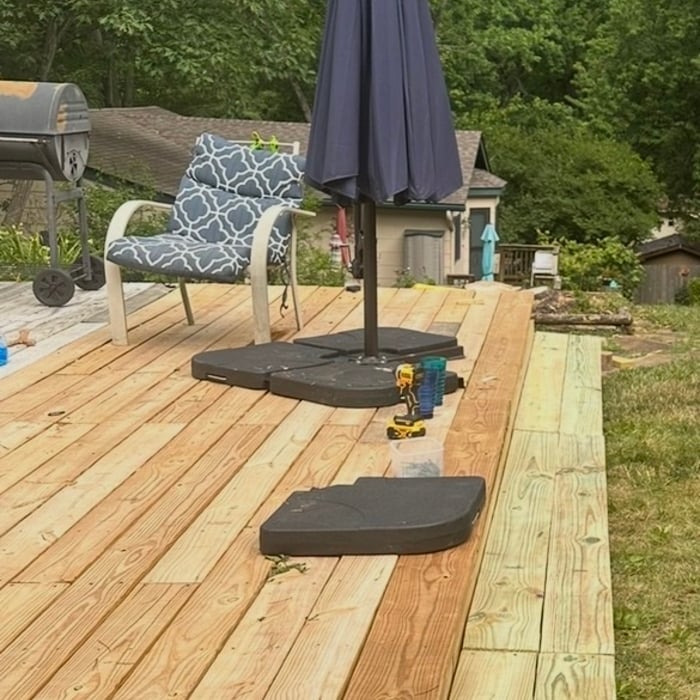
Reliable, detail-oriented handyman with years of experience providing high-quality residential and commercial repair and maintenance services. I specialize in TV mounting, drywall repair, painting, door and lock repairs, furniture assembly, deck repairs, fixture installation, shelving, caulking, and general home maintenance. I take pride in delivering dependable workmanship, honest communication, and completing every job efficiently and correctly the first time. Whether you need a small repair or a larger project, I'm committed to providing professional service at a fair price and treating your home with respect. Customer satisfaction is always my top priority.
Serving Hamel, IL and surrounding areas
Approved
Free estimates
Warranties offered
Small jobs welcome
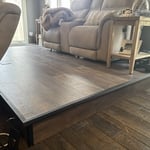
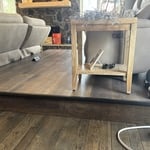
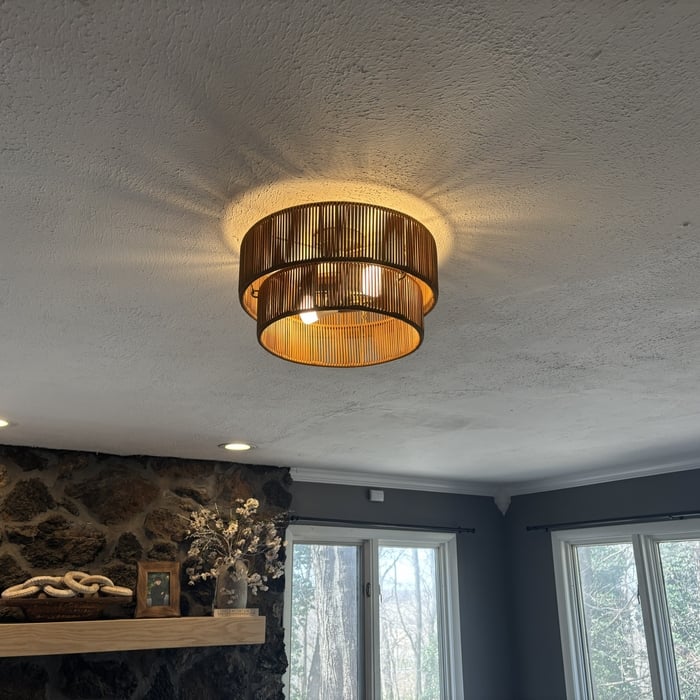
Hi, I’m Caleb—a veteran and reliable local handyman serving Wood River, Edwardsville, Glen Carbon, and the greater St. Louis area. I specialize in handyman services, carpentry, and light electrical work, helping homeowners handle everything from small repairs to larger home improvement projects.\n\nWhether you need light fixtures installed, outlets replaced, drywall repaired, doors hung, trim work, or custom carpentry, I bring attention to detail and a commitment to doing the job right the first time.\n\nI take pride in clear communication, showing up on time, and delivering clean, professional results. No shortcuts, no surprises—just quality work you can count on.\n\nSend me a message with your project details or photos, and I’ll help you get it done right.
+3
Serving Hamel, IL and surrounding areas
Approved
Free estimates
Small jobs welcome
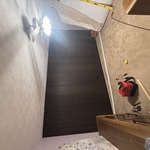
I am hard working and committed to doing a great job.
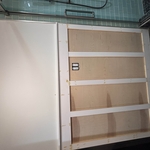
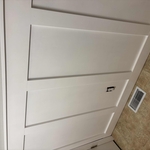

Serving Hamel, IL and surrounding areas
Approved
Free estimates
Emergency services offered
Small jobs welcome
"Bryson did an amazing job repairing and refinishing two dressers for us! He was prompt and communicative and did high quality work. We could tell that he valued the integrity of the antique pieces. We would definitely hire him again!"
Serving Hamel, IL and surrounding areas
Approved
TNT Turnover Services isn’t just remodeling spaces—we’re transforming them.\n\nWe take outdated, worn, or underperforming areas and turn them into clean, modern, high-impact spaces built to impress and made to last. From kitchens and bathrooms to full property turnovers, our work is driven by precision, quality craftsmanship, and attention to every detail.\n\nAt TNT Turnover Services, we don’t believe in shortcuts—we believe in results. We bring reliability, speed, and professionalism to every project, delivering a smooth, hassle-free experience from start to finish. On time. On budget. Done right.\n\nWhether you’re upgrading your home or preparing a property for its next chapter, we’re here to raise the standard and exceed expectations.
From average costs to expert advice, get all the answers you need to get your job done.
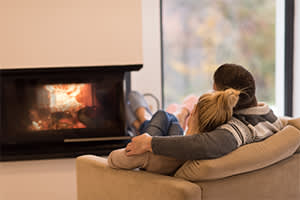
Find out the average brick or stone fireplace installation cost in St. Louis, MO. Learn what you can expect to pay for local masonry and labor services.
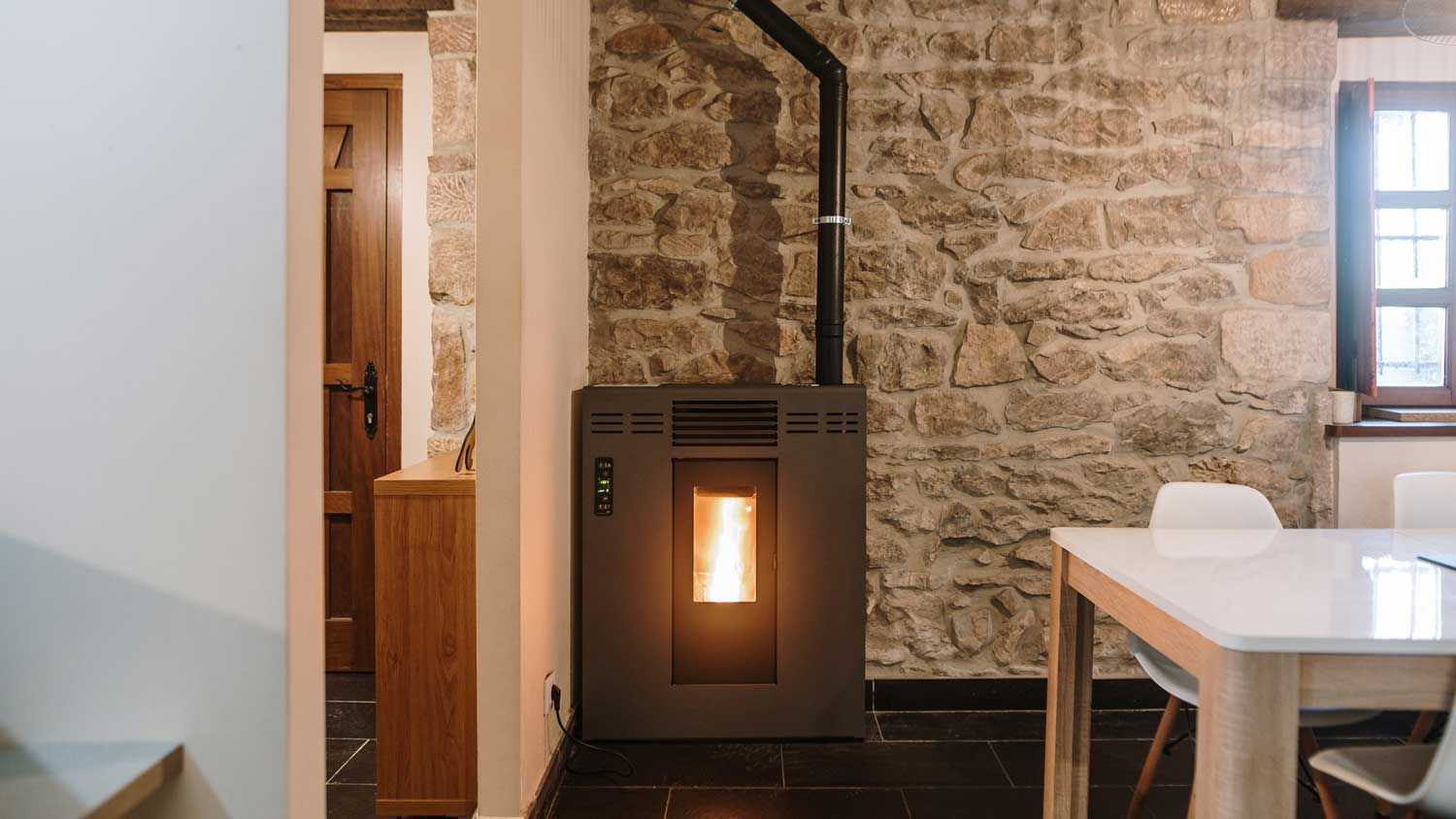
Find out the average wood, pellet, and gas stove installation cost in St. Louis, MO. Learn what you can expect to pay to keep your home warm this winter.

A fire pit installation costs $850 on average but can vary by size, fuel type, materials, and more. See how much you need to budget for a new fire pit.

Spark inspiration for your outdoor oasis with these fire pit ideas that will keep you warm and your space inviting for your family and friends.

A fire pit adds attractive entertainment space to your backyard. Learn about standard fire pit dimensions and what factors contribute to fire pit size.

Backyard fire pits add light, heat, and ambiance to your outdoor space. Read on for a summary of a fire pit's key benefits.