






Top-rated arborists.

Get matched with top arborists in Greenville, IL

Enter your zip and get matched with up to 5 pros

Need a pro for your arboricultural service project in Greenville, IL?

Select your specific project to find the pro for you.

TRUSTED BY GREENVILLE, IL HOMEOWNERS

  • Average homeowner rating star icon4.4
    Average homeowner rating
  • Verified reviews icon16
    Verified arboricultural services reviews

Find Arborists in Greenville

Avatar for Morgan's Tree LLC
Morgan's Tree LLC
5.0(
20
)
Tree RemovalTree TrimmingTree Stump - Remove+1 more

Serving Greenville, IL and surrounding areas

Approved

In business since 2025

Free estimates

Credit card accepted

"Kameron did a good job cutting a tree down that I had in my field. Very efficient and cut it up into more manageable pieces so I could move it. Very reasonably priced and I will definitely use him again if I need any trees down."
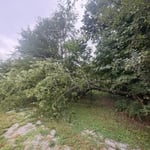
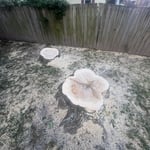
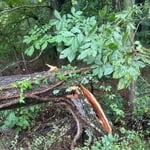
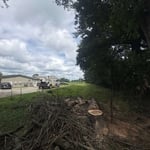
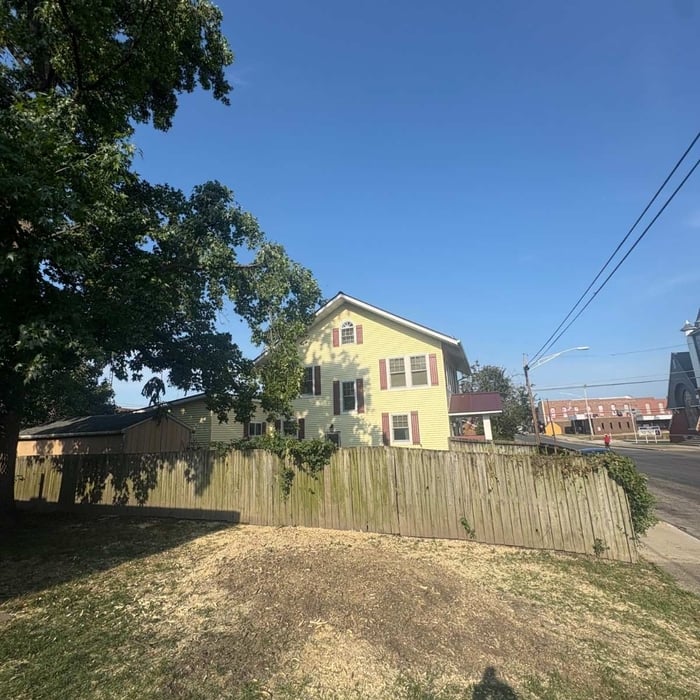
Photos of my work
Photos of my work
Photos of my work
Photos of my work
Photos of my work

+11

2 neighbors recently requested a quote

Avatar for Tios Tree Service
Tios Tree Service
5.0(
5
)
Tree RemovalTree Removal - For BusinessTree Stump - Remove+5 more

Serving Greenville, IL and surrounding areas

In business since 2021

Free estimates

Emergency services offered

"Tio and Dora are great to work with. Projects were done in a timely fashion and reasonably priced. The crew also cleans the area well after work is complete. They have done landscaping, tree removal and stump grinding for me."
Additional Photos
Recommended by100%of homeowners
Showing 1-10 of 33
Arborists questions, answered by experts

Late August, September, and mid-October are the ideal months for planting a young tree. However, the best time to plant a tree ultimately depends on when the weather transitions to fall-like conditions and eventually winter frost. As long as the hottest days of summer have passed and the ground hasn’t frozen yet, you can still successfully plant trees.

You will know that an oak tree needs to be removed when you see vertical cracks or dead branch stubs, which indicate internal decay. Other signs include trunk rot near the base of the tree and sprouts or small branches coming from the trunk.

Yes, it is highly recommended to remove tree stumps. Leaving them in the ground can lead to several problems, as they are not only unsightly but can also reduce your property's value. Stumps can obstruct landscaping plans, make mowing difficult, and hinder new growth. More importantly, they are prime breeding grounds for pests like termites, ants, and mice, which can spread to your home and cause costly damage to its wood and foundation. Stumps also attract fungi and diseases that can infect other healthy trees and plants in your yard. As a stump decays, it might sprout new, unwanted shoots. While removing a stump is an investment, it prevents these potential issues and enhances the safety, health, and appearance of your landscape.

As a general rule, the protected area should be about 1½ times as wide as the canopy of the tree’s leaves. This digging measurement can vary by tree species and the age of the tree. Of course, that can be a lot of fencing for larger trees, which is why our first step is about making difficult decisions on which trees to save.

Whether tree roots will continue to grow after a tree has been cut down depends on the species. Some tree roots will eventually die because they can no longer get nutrients through photosynthesis. However, other species that reproduce through root sprouts can continue to grow and produce new sprouts for seven years or more. For example, the roots of elms, ficus, and willows tend to regrow aggressively, while the roots of pines, oaks, and maples will typically die. To determine if a root system is still active, look for new sprouts on the old trunk, stump, or any exposed roots.

The Greenville, IL homeowners’ guide to arboricultural services

From average costs to expert advice, get all the answers you need to get your job done.