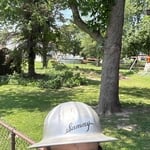
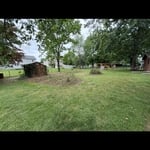
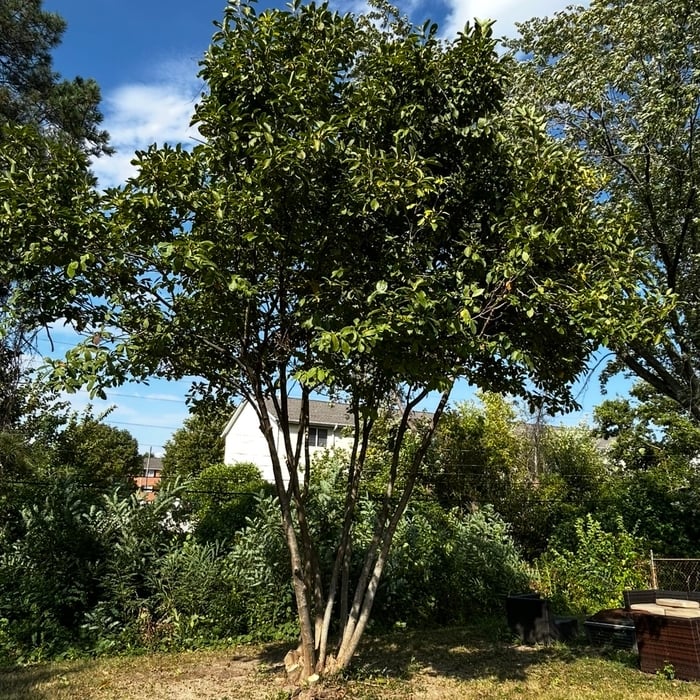
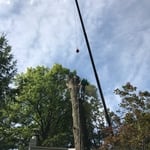
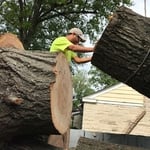
"They did a great job removing trees an brush from my property. Job was completed quickly and professionally at a reasonable price. I would recommend them to someone in need of similar work."
The Community Builder LLC. We appreciate the opportunity to provide effective and precise services. This company keeps the cost down with quality work. We love to build with the sense of community!!!!
Hello here@On Tyme Junk Removal we’re here to serve all your needs to having a clutter and Junk free environment.No job too big or small give On Tyme Junk Removal a call..,
After 30 years together, my wife and I bought our pickup and I am now looking to supplement my income by putting my pickup truck to work for me. Whether moving appliances or delivering purchases, I've got the tool for the job.
If executed correctly your tree should survive after being transplanted to a new spot. However, effective transplanting requires six months, careful root pruning, safe transport to the new location, and replanting in prime soil conditions. You’ll also need an appropriately sized root ball for a complete tree transplant. A good rule of thumb is that, for every inch in diameter, your tree’s root ball needs to be around 11 inches. So a tree with a diameter of six inches needs a root ball of approximately 66 inches.
It’s not as common for Dutch elm disease to affect other types of trees, especially if the surrounding trees aren’t elms. However, it is possible for DED to spread to other trees, particularly in northern states, like Minnesota. In fact, it’s a good idea to use geography to identify wood and determine which types of trees are in your yard.
Unfortunately, the complex and shallow root system of elm trees makes surrounding elm trees particularly vulnerable to DED. Early discovery is key!
If you’re taking down a tree that you don’t suspect is affected by disease or pests and it’s nowhere near your home or other structures, then calling in a tree company should work fine. However, anything more involved means an arborist is a better option. These pros have years of experience with tree removal and can safely take down trees located next to structures, and they have the tools, sanitization equipment, and experience to remove sick or dying trees without infecting nearby trees.
The best tools for tree removal include a chainsaw for large trees, an ax for notching and cutting down small trees, and a wedge to help control the direction a tree falls in. A hatchet can be useful for very small trees, but won’t be effective for medium to large trees.
Tree roots can take weeks to years to die, depending on the method you use. Chemical herbicides take the least amount of time—typically between three and four weeks—while homemade methods, like covering an old stump with leaves, could take between seven and eight years. If you’re unsure which method to use or how quickly you need to act, consulting with a pro is always a good idea.
The Worden, IL homeowners’ guide to arboricultural services
From average costs to expert advice, get all the answers you need to get your job done.
Discover what average tree removal costs in St Louis, MO based on different factors to know how much it will cost to take care of a dead or troublesome tree on your property.
The most significant factor in tree removal costs is the amount of debris. Read on to learn more about the average tree debris removal costs in St. Louis, MO.
Discover average tree trimming costs in St. Louis, MO, key price factors, and tips to save. Get expert insights to plan your tree care budget with confidence.
Arborists are specialized tree care experts. This guide will help you hire an arborist with all the qualifications to give your trees the best care possible.