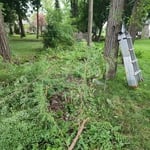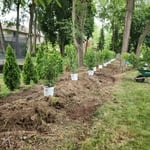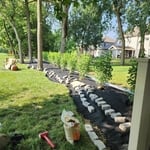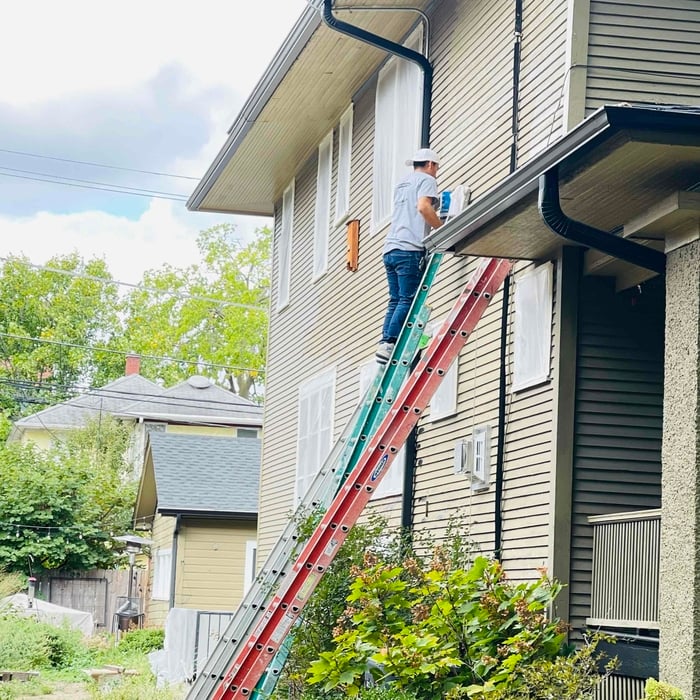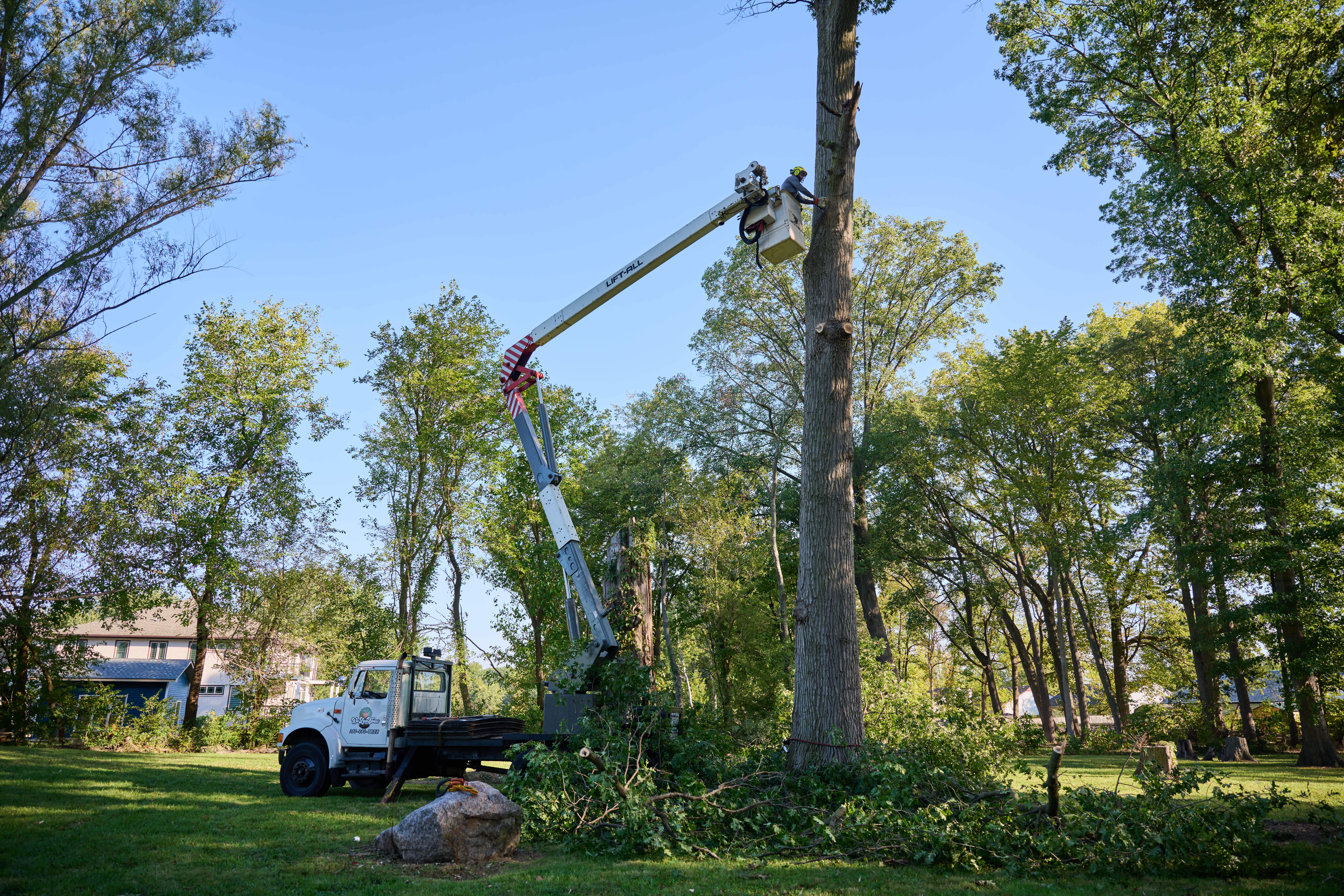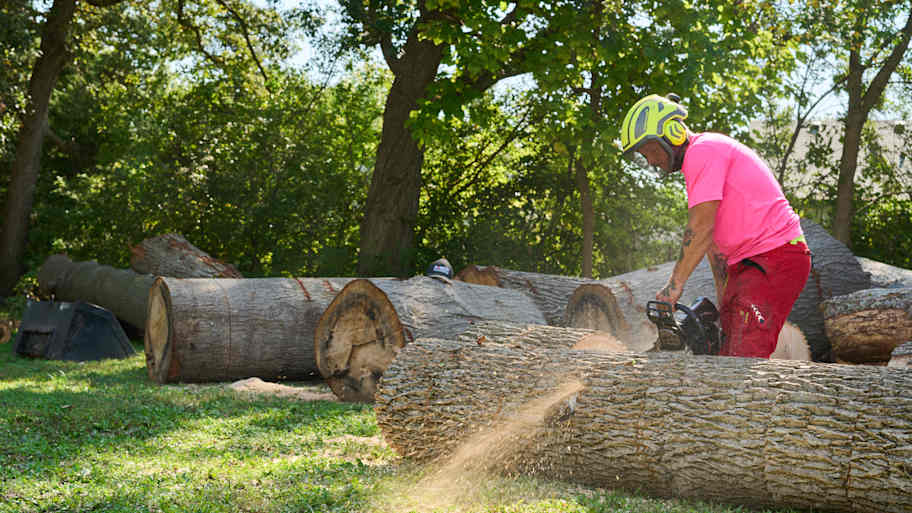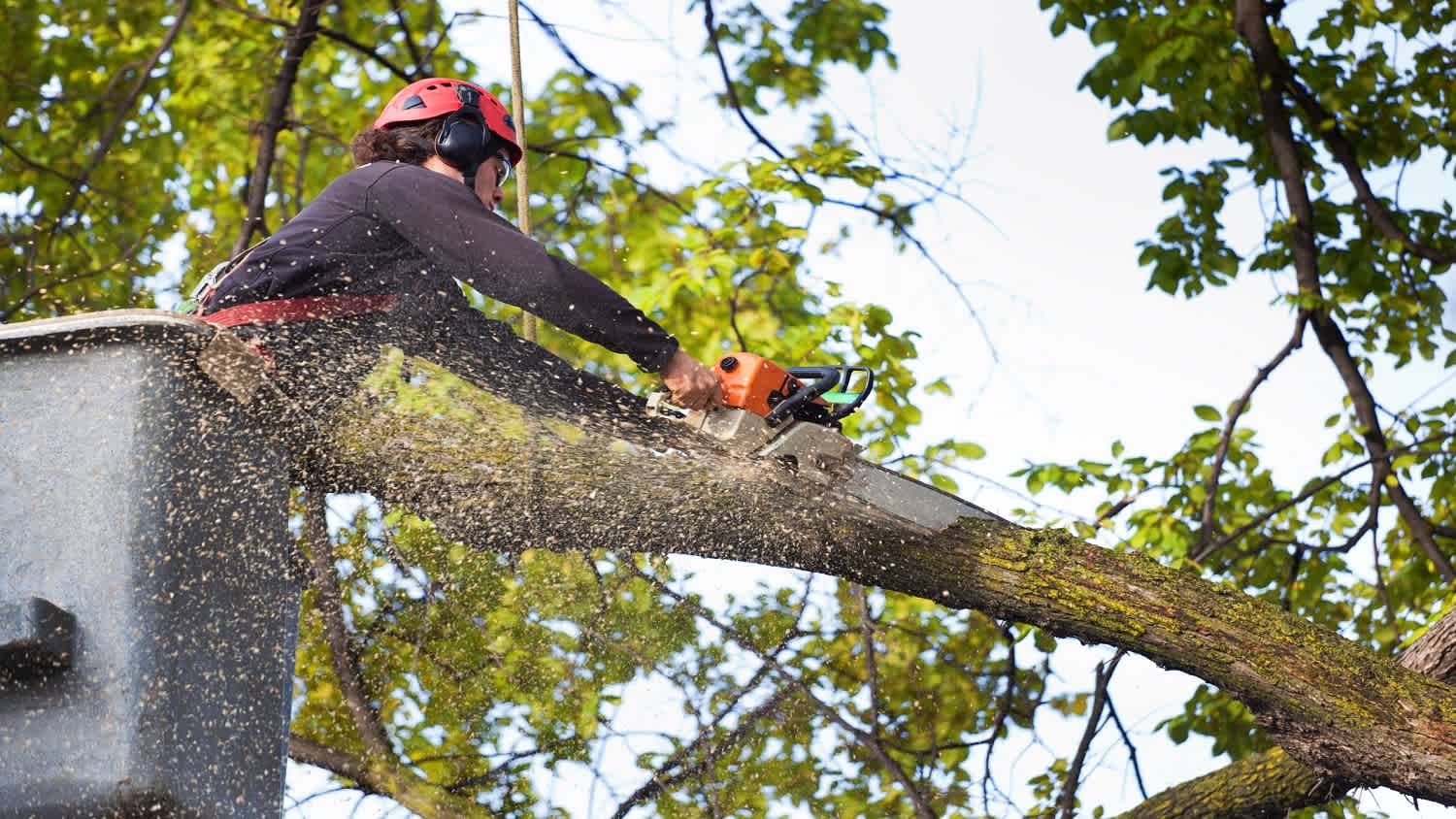

"Matt from Illinois Tree was able to stop out quickly and provide an on-the-spot & fair quote for removing an overgrown locust tree too close to my house. He was straight-forward and said that it would be three weeks before they could get to my job. Fortunately, with favorable weather, he was able to work me in sooner and get the tree cut within a week of setting up the job. The crew did a good job of cleaning up the yard and the deck of any excess debris. Everything went according to plan and they will be my first call for future tree service needs."
"Prompt response time. I accepted the quote and the job was completed the next morning. Beyond satisfied, the garden looks amazing. Tree trimmed, and bushes too! I will use this company again."
Welcome to Progreso Painting! We are committed to exceeding your expectations. As experts, we will handle your needs with the high quality expertise that your home or business deserves. We offer competitive prices and customer satisfaction is our number one priority. Call us today!
We pride our company on reliability, great communication, integrity, and quality work. We are experts in our trade and will do our best to keep you as educated as we can on your particular task or project. We look forward to earning your business!\nWe have been in business since 1998. We specialize in Excavation work residential and commercial as well as Lawn Maintenance & Tree Removal.
Hi my name is Daniel owner of a small handyman business personally handle each job from start to finish,so you get reliable,friendly service every time.
There are several methods to hollow out a tree stump, and the best one depends on your tools, experience, and priorities. Common methods include using a chisel and hammer, a chainsaw, or burning.
Chisel and Hammer: This is often considered the easiest approach for those with limited tools or experience, though it is the most time-consuming.
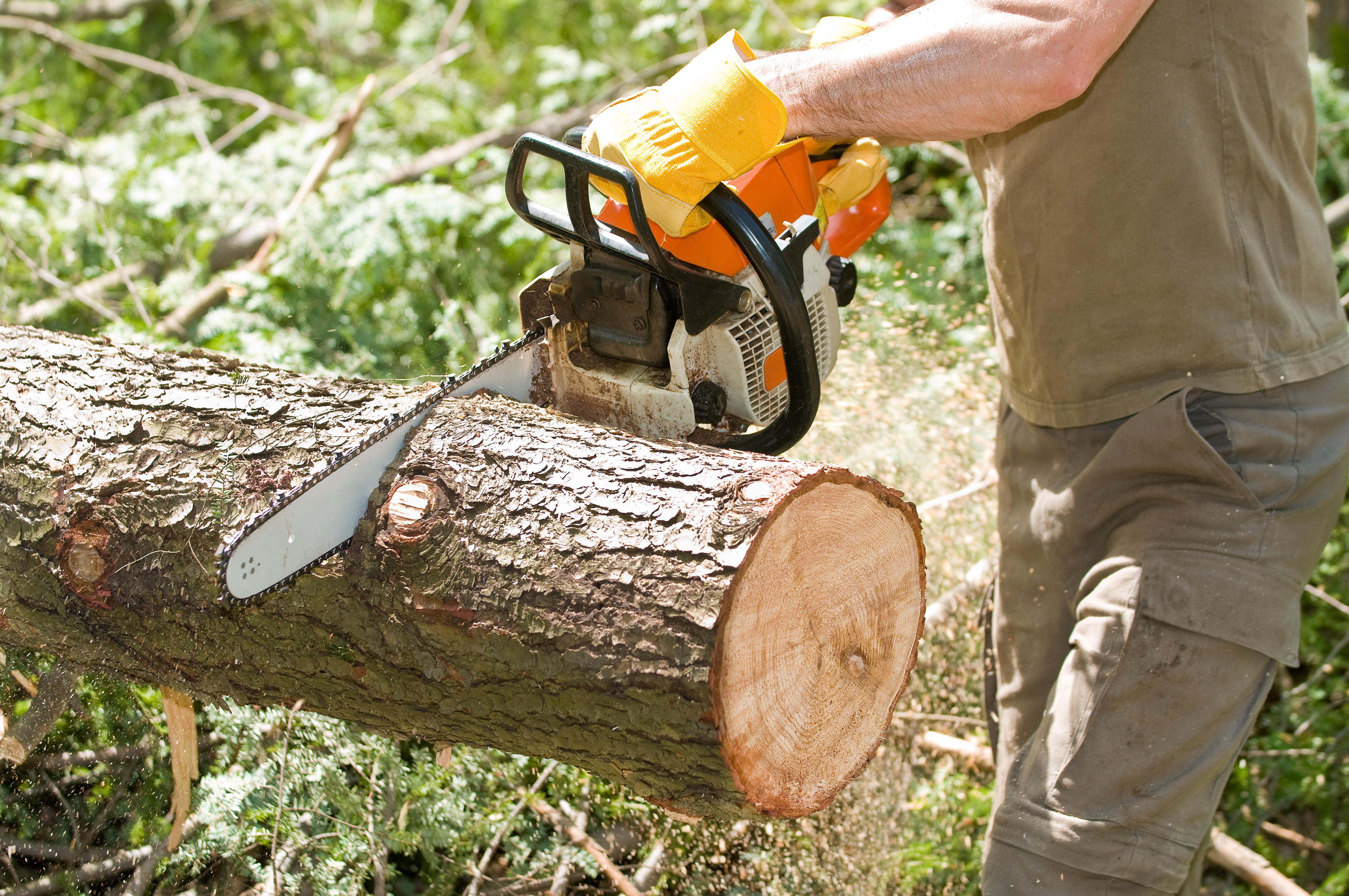
Chainsaw: Using a chainsaw is the fastest method, but it comes with significant safety risks, especially for inexperienced users.
Burning: This can be an effective method, but it is not recommended unless you can first drill holes into the stump. Without holes, the stump will be difficult to light and may not burn completely through.
A power drill with at least a ⅜-inch diameter bit can make the job quicker and easier, regardless of the primary method. While you can use a chisel or chainsaw without a drill, it will require more time and effort. Always wear protective goggles and thick gloves, as splinters are an inevitable risk.
In some states and municipalities, you will need a permit to remove a tree on your property. In many cases where permits are required, a tree must reach a maximum height before a permit is required to remove it. You can either ask your local building department or a tree removal professional if you’ll need a permit. If you do, you can expect to pay between $50 and $150 for the permit alone. Your tree removal company should pull the permit for you and include the permit fee in your total.
Yes, it’s okay to trim low branches on a tree, also known as limbing up or raising the crown. Essentially, you’ll trim the lower third of the tree (trunk) and leave the upper two-thirds of the tree (crown). Arborists recommend trimming 20% of a tree’s leaves per season for two to three seasons. Trimming low branches allows light to flow through the tree, increasing circulation and making the tree stronger and healthier.
Dead trees are dangerous for several reasons. They are structurally compromised and prone to branch or trunk failure, which can pose a significant safety risk to people, vehicles, and nearby structures. Dead trees can also harbor pests like termites, which may spread to other trees or your home. If a tree died from a disease, it could spread the illness to healthy trees. Additionally, the dry wood is highly flammable, increasing fire risk.
You should prune ornamental trees once every other year after the fruit has matured and begun to drop. You should also prune out dead branches whenever you see them. Pruning too often can stimulate more growth, especially in faster growing varieties like Bradford pears.
The Frankfort, IL homeowners’ guide to tree services
From average costs to expert advice, get all the answers you need to get your job done.
Discover what average tree removal costs in Chicago, IL based on different factors to know how much it will cost to take care of a dead or troublesome tree on your property.
The most significant factor in tree removal costs is the amount of debris. Read on to learn more about the average tree debris removal costs in Chicago, IL.
Tree inspections can ensure your trees stay healthy and safe, preventing costly damage. Learn how much tree inspections cost and what can affect the price.
Follow these tips to learn how to find a good tree removal service. Doing a little research can help you save time and money when you need to say goodbye to your trees.
You suspect that the leaning oak tree in the back needs to come down, but can you just handle it yourself? Here are the pros and cons of calling a tree service.