
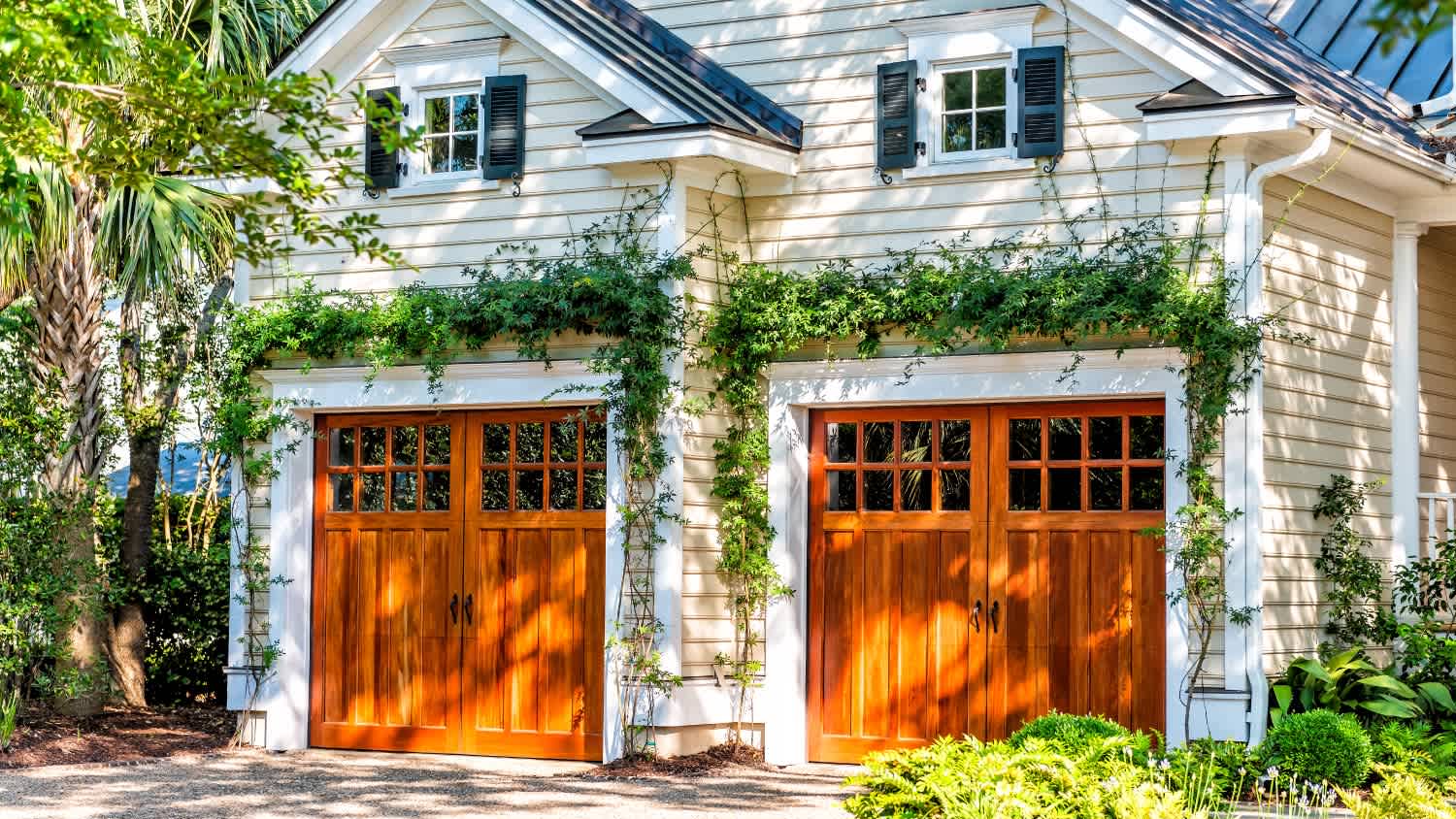
Ivy might look pretty, but you probably don’t want it in your garden. Learn how much it’ll cost to remove ivy by type, treatment method, and more.
Kill the weed, not the tree

Poison on a tree grows from oil-producing plants that cause painful rashes, itching, and blisters when you touch any part of the leaves, stems, or roots.
Expect to pay $300 to $850 for professional poison ivy removal, so addressing the problem early helps you avoid larger infestations and higher costs.
You can kill poison ivy by cutting the stems and applying herbicide directly to the exposed cuts, which prevents damage to your tree while eliminating the roots.
Hiring a local tree maintenance professional keeps you safe from painful rashes and ensures complete removal, including proper disposal that prevents regrowth in your yard.
Poison ivy loves trees. Trees and fences create excellent environments for this toxic plant to grow, climb, and thrive, so it’s essential to know how to kill poison ivy on a tree. Additionally, hiding in a tree is a great way to go undetected for a long time. By the time you discover it, it may be a mature plant that's difficult to kill. However, finding poison ivy growing on a tree in your yard won't mean you'll have to kill the tree. Let’s review the steps you can take to remove only the poison ivy instead.
While a small handful of people may not develop a reaction after touching poison ivy, the vast majority will. Oil in the plant, leaves, stem, and roots causes intense itching, blisters, and rashes that can last for weeks. The oil is present in every part of the plant and is ready to rub off on anything that touches it or its parts. It can also become airborne if someone burns a poison ivy plant.
Preparing to kill poison ivy starts with covering all exposed skin and wearing heavy-duty rubberized gloves. Everything you wear should be washable or disposable, as the oil can remain potent and dangerous for months or even years after touching the plant. Before doing any work to kill or remove the plant, have a disposal plan, such as burial or proper removal from the property.
However you choose to kill poison ivy, safely disposing of it is a must. You can bury the plant elsewhere on your property with the understanding that it may sprout up in that location. Or you can place the plant debris into thick garbage or lawn bags and dispose of them according to your local yard waste disposal rules. Never burn poison ivy for any reason. The oil in the plant can become airborne and enter human and animal lungs.
Many of us know the saying, "Leaves of three, let it be." Although we may have learned it during childhood, it's still solid advice. Poison ivy comes in several varieties, and the poison ivy in one place may look very different from poison ivy in another. And, it's easy to mistake poison ivy for less volatile plants until it's too late.
Regardless of the shape of the leaves, the first identifier is that three parts of one compound leaf are always present on the ends of the branches. One leaf part in the center is on a longer stem, and two similar ones are on either side. The stem on the side leaflets is much smaller or almost non-existent.
Older poison ivy plants will likely have a hairy texture on the branches and may look like a vine or a bush. Blooming plants generate unique greenish-white berries that are a good sign of it being poison ivy. Older, climbing poison ivy plants may display woody, bare root-like structures well above the ground with numerous small rootlets coming off the side.

There are several ways to kill poison ivy on a tree without damaging the host. Part of the trick to success is patience. Poison ivy is a persistent plant that doesn't like to die. You may have to apply the following techniques more than once to eradicate the plant completely.
Manually killing poison ivy is best for smaller specimens growing around the tree trunk. For more mature plants, this option may not be enough. Start by lopping off the primary poison ivy plant stems a few inches above the ground and remove them from the area to protect yourself. Leave enough of the stems so you can identify them. Next, dig up the roots as much as possible with a spade shovel. Stake a black plastic sheet on the ground over the entire area and let it sit there for several weeks to kill any shoots that try to emerge.
Herbicides containing glyphosate are highly effective at killing poison ivy. The trouble is that it can also kill other, more desirable plants. There are three ways to use herbicide to kill poison ivy without harming other plants or the tree. Whichever you choose, protect your skin from exposure to the chemical and the plant, and protect other plants from the chemical with plastic or cloth.
Use a light, directed herbicide spray to coat the poison ivy leaves. It will take several days to see results, and several applications may be necessary to eradicate the plant. Avoid getting the chemical on the tree leaves, branches, or trunk.
Cut the primary stems several inches above the ground and coat them with the chemical. The plant will wither and die up in the tree, and the herbicide will kill the roots.
Cut several notches about halfway through thick poison ivy stems and coat the exposed woody stem with herbicide. Wait several days for results and apply again as necessary.
There are a few ways to kill poison ivy naturally with homemade remedies. One way is to douse the base and roots of the plant with boiling water. Simply pour it evenly over the root area and repeat the process for several days in a row.
Another natural way is to mix two cups of distilled vinegar and a cup of salt into a gallon of water. Use this natural herbicide as you would with a chemical herbicide, but repeat the application daily for several days until you begin to see results.
Killing all of the poison ivy may not be the goal of every homeowner, especially for those with properties bordered by natural areas. Several bird species rely on the plant for food. If the poison ivy on your property isn't creating a problem for you or the host tree, you might consider leaving it alone.
To control poison ivy rather than destroy it, use one of the natural remedies to kill off the parts that need eradication and leave the rest untouched.

Besides being a plant that can cause intense physical irritation, it can cause frustration and irritation when trying to get rid of it, too. Use these tips to help ensure poison ivy-killing success.
Thoroughly wash everything that may have come into contact with any part of the plant after performing eradication tasks. Take a “better safe than sorry” approach when cleaning up.
When dealing with poison ivy, adhere to your local restrictions and regulations regarding lawn waste disposal.
Have patience. Poison ivy is persistent and stubborn. Several attempts at removing it may be necessary before you can claim victory.
After removing the plant, keep a close eye on the area for signs of new sprouts and eliminate them immediately.
Eradicating poison ivy as a DIY project can be a frustrating task, but one you can do yourself if you're careful and patient. However, the job can also be dangerous. Touching any part of the plant can cause painful irritations that can last for a long time. Most homeowners opt to hire a local tree maintenance specialist or landscaping company to eliminate the plant from their yards rather than deal with the misery of the job and potential skin reactions. Removing poison ivy costs $300 to $850, depending on the size of the area being treated.
This service was great. My air conditioner went out during the heat spell that we had. My husband has health issues and they came out that night and at 9:30pm the air conditioner was fixed and running. We are sooo very thankful, this is the company I will be using from now on and would...
 Mr. Mechanical Ohio
One of my old tall evergreen trees was suddenly leaning toward the busy street in front of my house. I submitted a request for an emergency tree inspection, and Alejandro, owner of Cajete Tree Service, contacted me immediately and arrived to look at it just 20 minutes later. We agreed the...
 Cajete Tree Service LLC
1 tree was cut down and 5 others including a large willow tree were trimmed. The Grant Tree Service men were professional and cleaned up afterwards. The cost of the 6 trees were affordable. I am very happy with the results. I would hire them again.
 Grants Tree Service
D1 Roofing delivers outstanding service from beginning to end, backed by a strong warranty and expert teams. I highly recommend them for their excellence in meeting and surpassing expectations with unmatched communication. Choosing D1 Roofing was flawless decision
 Division 1 Roofing LLC
Promptly arrived for quoting! Demonstrated superb customer service, affordable pricing, and completed service swiftly! Looking forward to the spring for our service!
 All Star Paving and Sealing
Seth was very professional, prompt in responding to queries about the work required , gave sincere advice as to what would be best for tree trimming and did the job timely.
Ace Fireplace Services' chimney sweep service is truly exceptional. They used advanced technology to ensure a thorough cleaning process, and my chimney has never looked better. I highly recommend their services.
 Ace Fireplace Services
I definitely recommend Ramonaâ s cleaning service! I have booked services with her many times and she arrives on time, ready to work and provides a great service.
 Your Cleaning Solutions LLC
Webb â s was priced well, flexible on scheduling, great with communication, and detailed in their work. Iâ ll definitely use their services again.
 Webbs Pressure and Paint LLC
Great tree company, very professional and honest. Glad we found them, they had the best pricing
From average costs to expert advice, get all the answers you need to get your job done.
Ivy might look pretty, but you probably don’t want it in your garden. Learn how much it’ll cost to remove ivy by type, treatment method, and more.
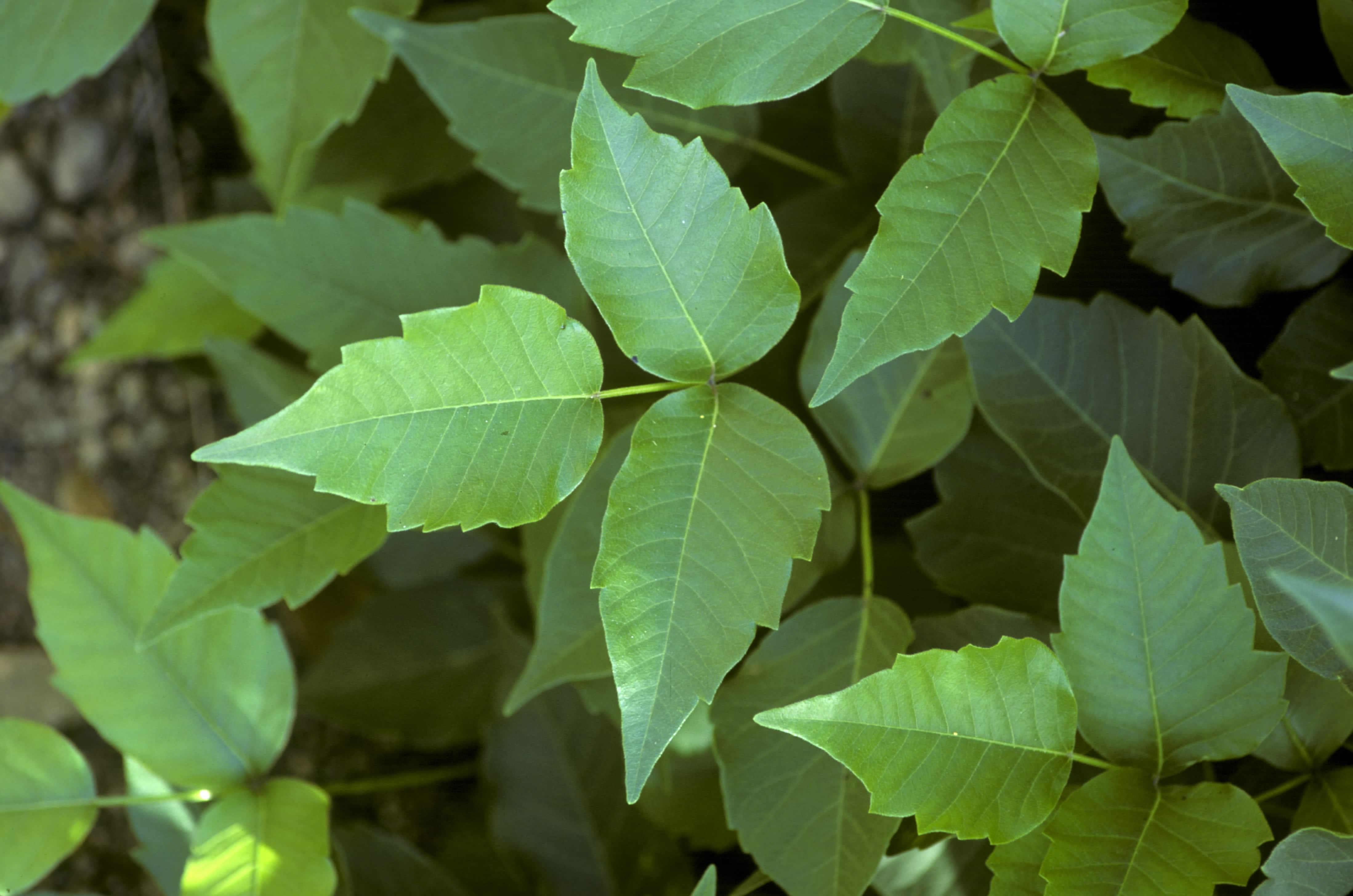
Do you suspect poison ivy in your backyard? Learn how to kill poison ivy naturally. Plus, identification tips and remedies for treating painful, itchy rashes.
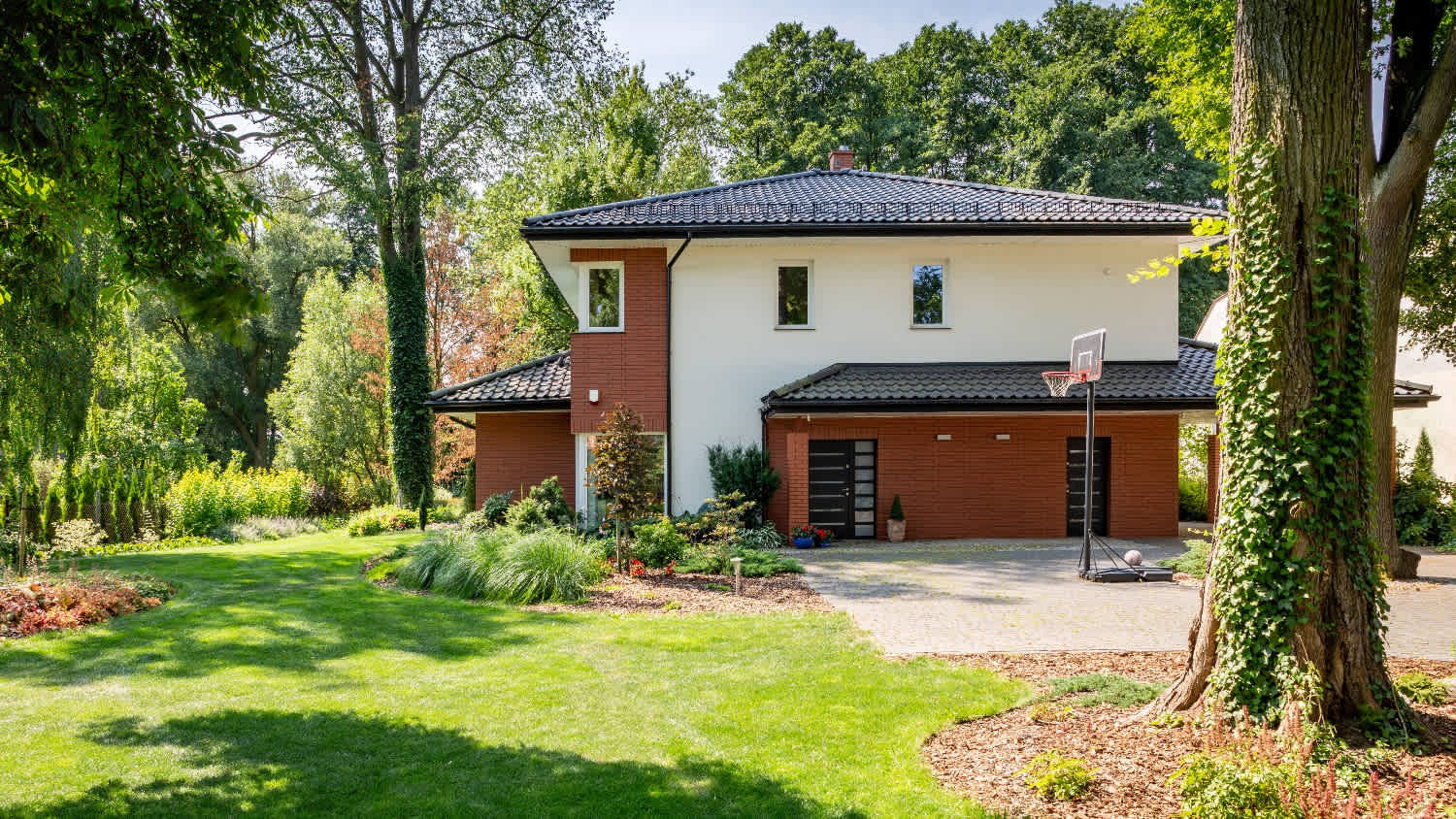
Poison ivy, English ivy, and other ivies can overtake your trees and even destroy them. Learn how to kill ivy on trees with this step-by-step DIY guide.
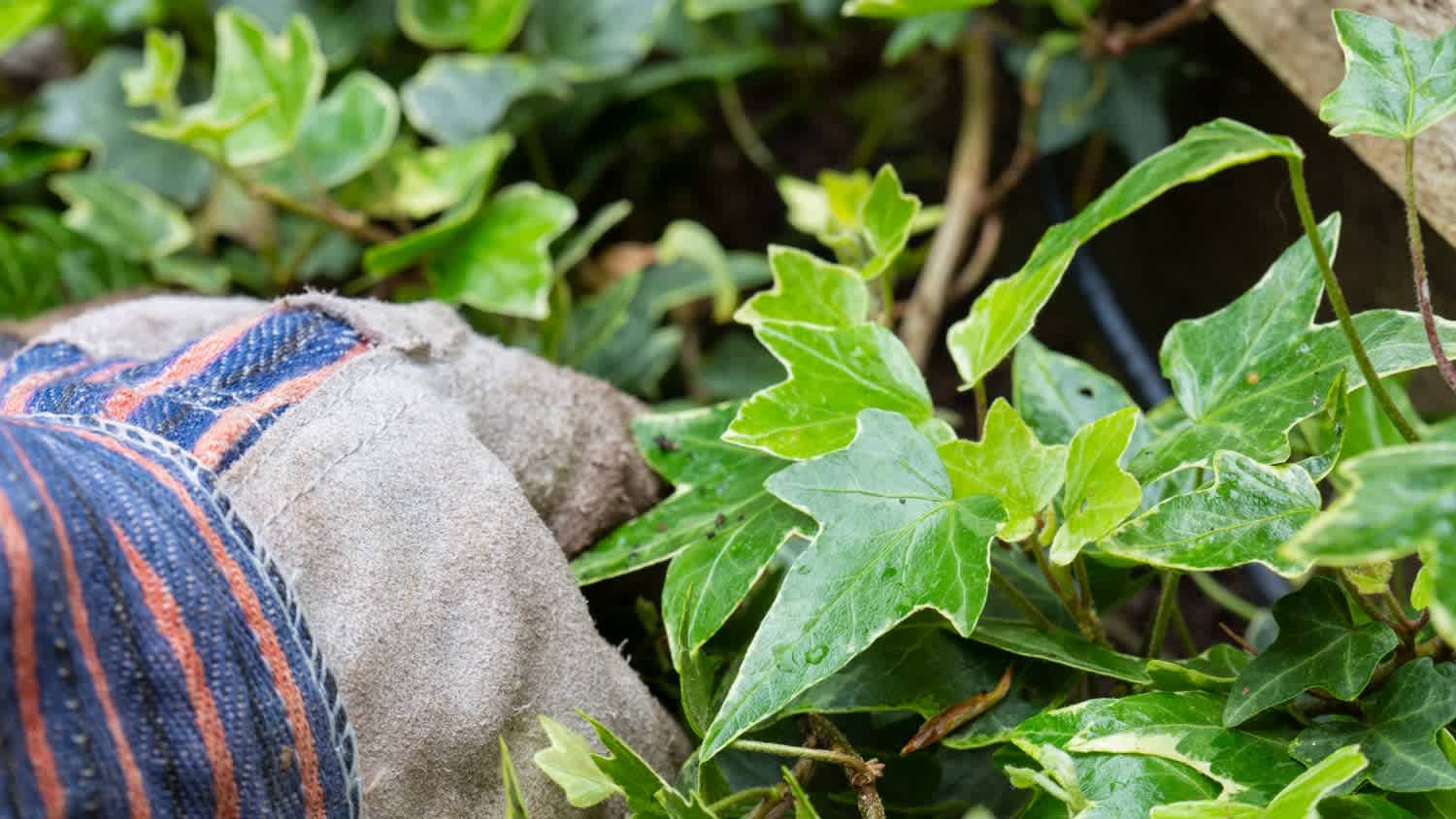
English ivy may look pretty, but it’s an aggressive vine that strangles other plants and trees, and it can even damage your house. Here’s how to get rid of ivy.

Need to know how to kill a tree? If it’s disrupting your foundation or plumbing, learn how to kill the tree and its roots with these tips.
Some plants masquerade as pretty flowers but are actually poisonous plants and weeds. Use this list of harmful plants to identify poisonous plants to keep your pets and loved ones safe from accidental poisoning and uncomfortable itching.