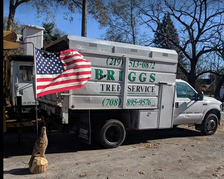
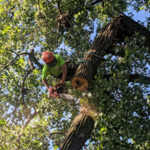
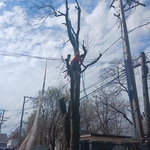
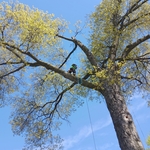
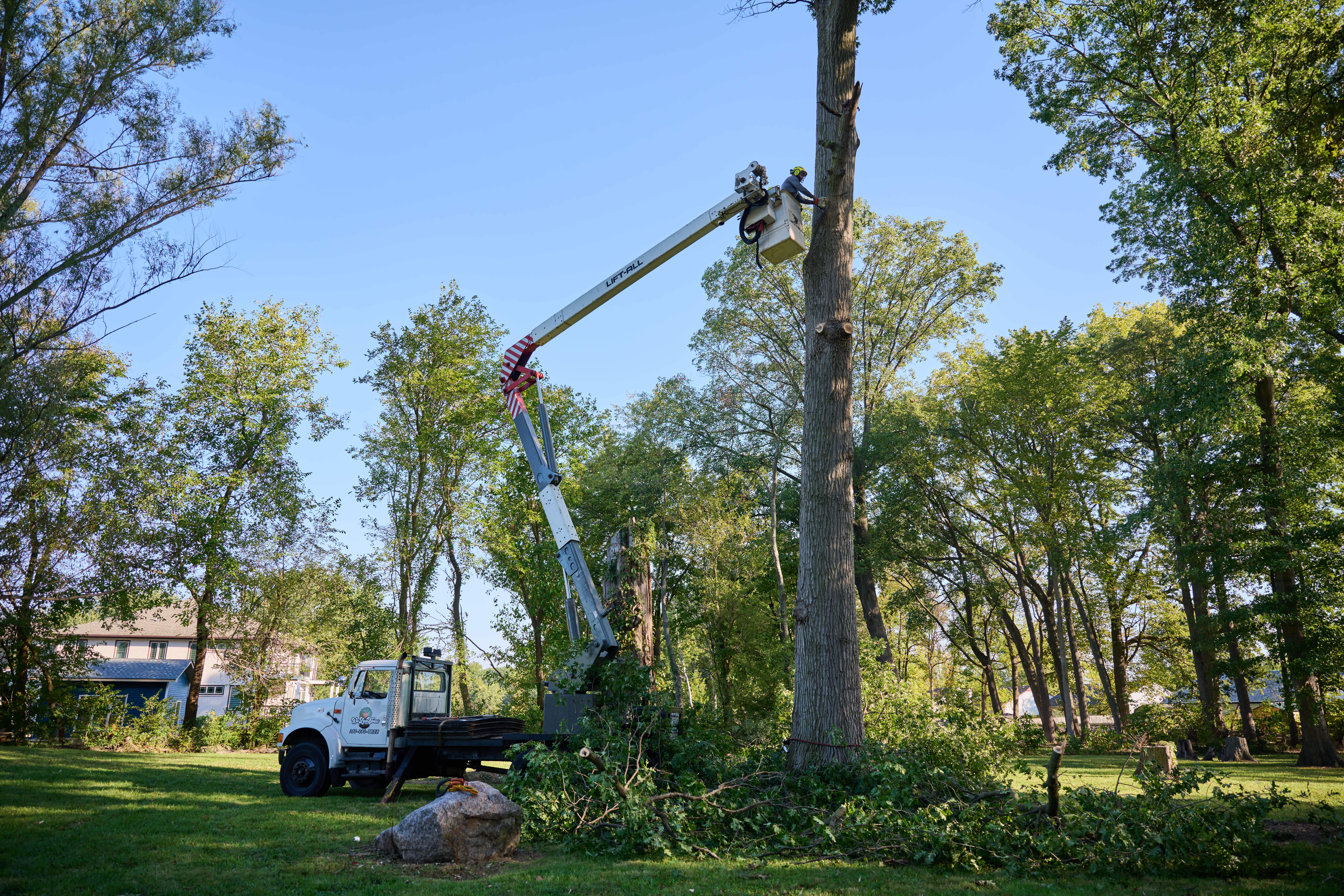
"They were on time, had plenty of help and did a excellent job removing a very large tree. They were very professional and polite. I would encourage others to use them as well."
"I was very pleased with the tree trim that I requested of Briggs once it was done. Only thing was I had to wait over a week and had to call to see if he was still going to do it."
"Ramos Tree Service did an excellent job trimming 4 trees and 7 bushes. Professional and cleaned up after they finished. Very pleased with their service!"
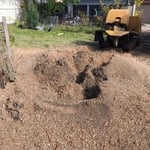
"Fransico responded within minutes of me inquiring about stump removal on Angi. He was here the next morning and provided fast, friendly service! 100% would use you again!!! They cleaned up after thenselves and were very respectful! Thankyou!!"
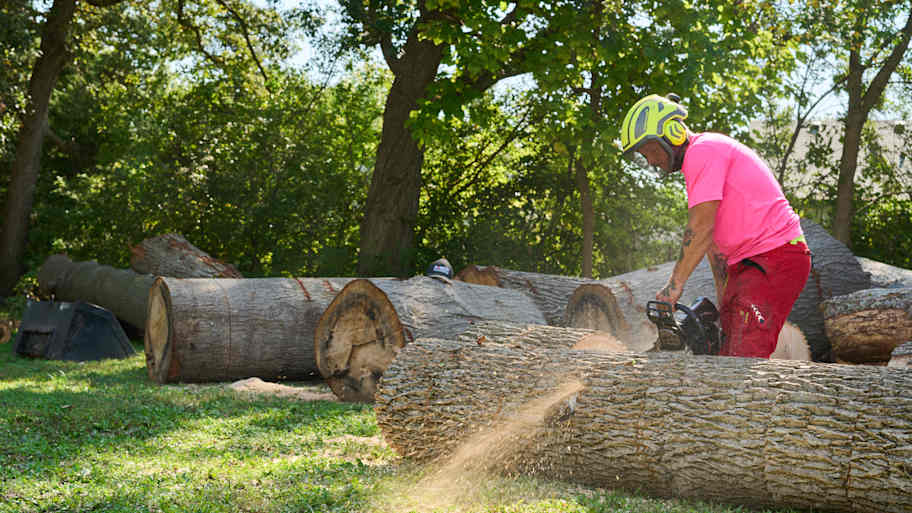
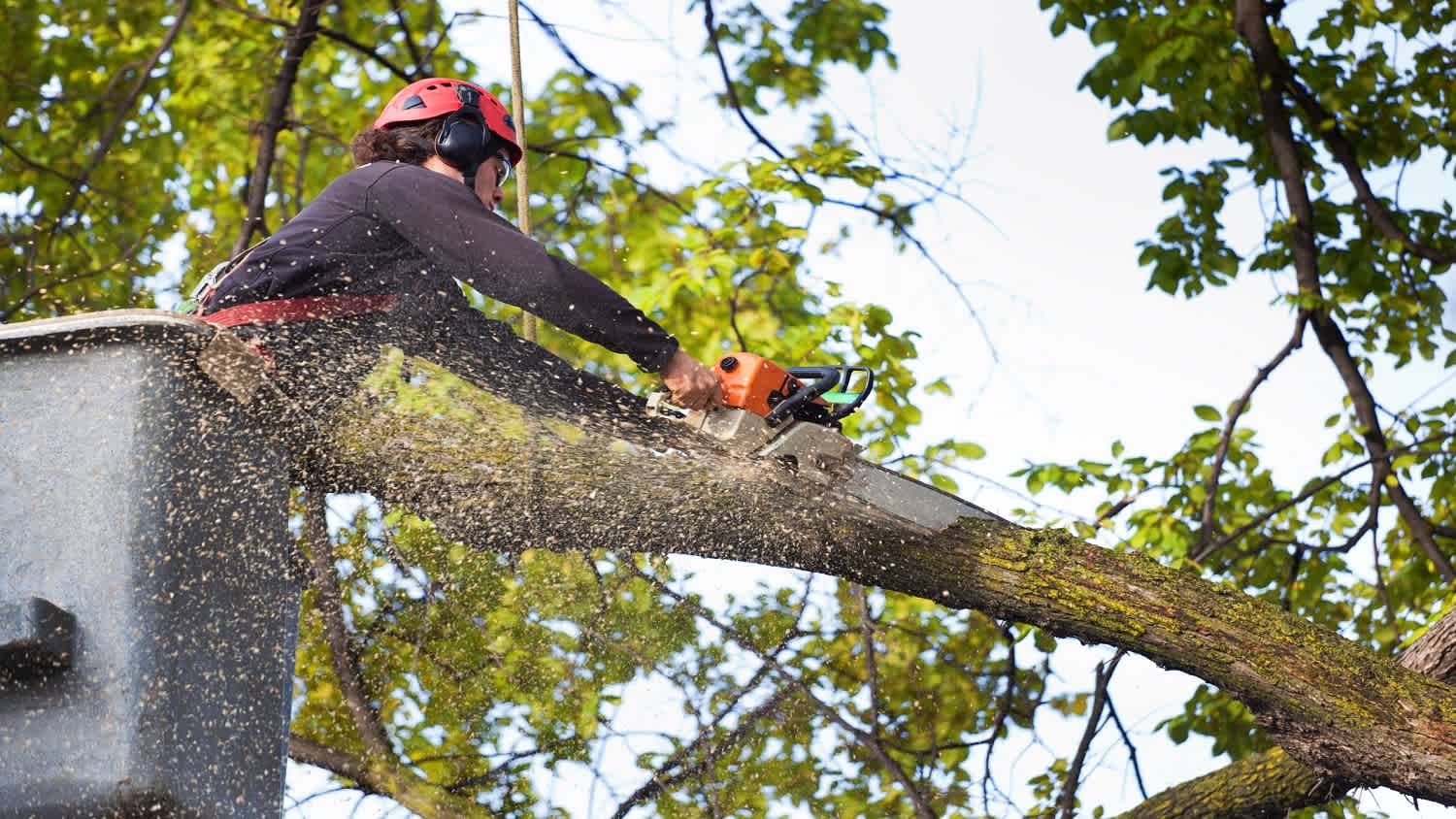
We are a local family business. We are a trusted tree removal company dedicated to providing safe, reliable, professional tree care services for residential and commercial properties. Our experienced team specializes in tree removal, tree trimmings, pruning, stump grinding, emergency storm clean up, and lot clearing. \n\nSafety, quality workmanship, and customer satisfaction are at the core of everything we do. We use modern equipment and proven techniques to complete every job efficiently.
"Juan did a wonderful job in our house painting bedrooms bathrooms living room hallways kitchen and office room. He was so good in finding perfectly matching paint and his work was quick and flawless. He completed the job in 2.5 days"
"Contacted Angi and Arciga’s Lawn Care reached out to me. Had a lot of tree and bush debris behind my garage in the alley. Arciga said he was in the area and can take care of it today. Kept me updated on the status. And sent pictures when completed. Very pleased with their service. Highly recommend A+. Will use their services again."
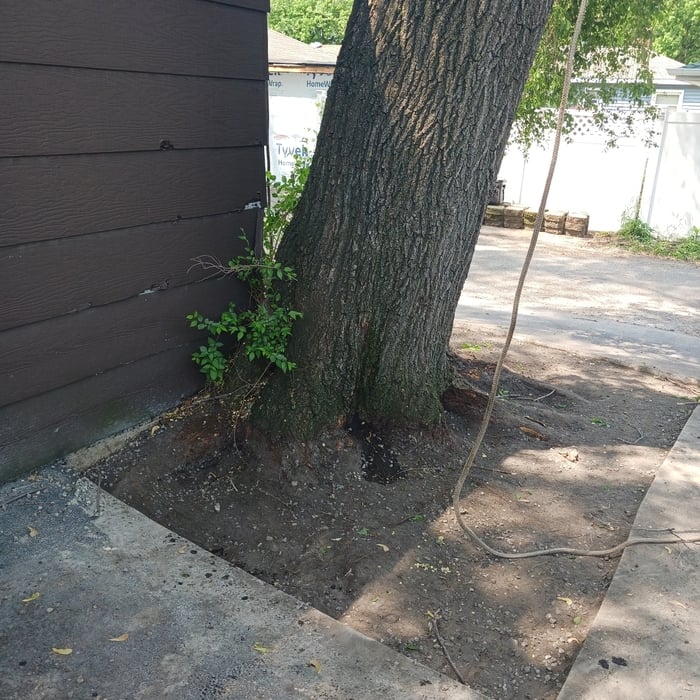
Tree roots don’t necessarily break through concrete on their own, but they can certainly take advantage of existing cracks, even very small ones. As roots grow, they expand the cracks, making them larger and leading to serious and costly foundation damage. It’s a good idea to have repairs on any foundation cracks you’re concerned about.
Generally, you do not have the right to take fruit from a neighbor's tree, even if the branches overhang your property. The fruit is considered the property of the tree's owner. While you may have the right to trim branches that cross into your yard, the fruit on them typically still belongs to your neighbor. However, laws can vary by state and municipality. In some areas, branches that extend into your yard or trees that straddle a property line may entitle you to some of the fruit. The best course of action is to speak with your neighbor, as they may be happy to share. If a conversation is not possible, check your local regulations before picking any fruit.
If you’re looking to rot a tree stump fast, potassium nitrate will work far quicker than copper nails. First, drill several holes into the stump using a power drill, then pour potassium nitrate pellets into the holes. Next, add water to help the chemical absorb into the wood, thoroughly soaking the stump to ensure the pellets dissolve and spread evenly. Afterward, cover the stump with a tarp to retain moisture and block sunlight, then place mulch on top to secure it in place.
The depth of tree roots depends on the species. Trees like oaks and maples can have root systems that grow down 20 feet or more. However, trees that grow in shallow soils will have roots that go only a few feet down. Research how your tree species grows in your climate area to estimate root depth.
Hiring an arborist costs around $900 on average, with prices ranging from $250 to $2,500 or more. Some arborists charge an hourly rate, typically between $100 and $350 per hour. The final cost depends on several factors, including the type of work, the number of trees, accessibility, and whether you hire an independent arborist or a larger tree service company. When hiring, you should also consider their experience and insurance coverage.
Below are some estimated costs for common arborist jobs:
Small tree removal: $300 to $500
Large tree removal: $500 to $2,000 or more
Tree health assessment: $150
Trimming a small tree: $75 to $200
Trimming a large tree: $150 to $400
Dealing with invasive species: $150 to $1,000 or more
The Flossmoor, IL homeowners’ guide to tree services
From average costs to expert advice, get all the answers you need to get your job done.
The most significant factor in tree removal costs is the amount of debris. Read on to learn more about the average tree debris removal costs in Chicago, IL.
Discover what average tree removal costs in Chicago, IL based on different factors to know how much it will cost to take care of a dead or troublesome tree on your property.
Tree inspections can ensure your trees stay healthy and safe, preventing costly damage. Learn how much tree inspections cost and what can affect the price.
Follow these tips to learn how to find a good tree removal service. Doing a little research can help you save time and money when you need to say goodbye to your trees.
You suspect that the leaning oak tree in the back needs to come down, but can you just handle it yourself? Here are the pros and cons of calling a tree service.