






Get matched with top siding pros in Beckemeyer, IL
Top-rated siding pros.

Need a pro for your siding service project in Beckemeyer, IL?

Select your specific project to find the pro for you.
Siding questions, answered by experts

Increasing home value and return on investment (ROI) are two different things and it’s important to differentiate between the two. While a kitchen remodel will surely raise the value of the house, it may only have an ROI of around 50%. Homeowners looking to raise the value of their home for sale will have to consider how much they will recoup by the monetary investment in projects, as the ROI percentages may be lower or higher than the added value on a dollar-for-dollar basis.

While you can perform minor siding repairs or even install it yourself over small areas, it is generally best to hire a professional siding company. Siding installation is a time-consuming and complicated process that requires specialized tools and experience. Most homeowners lack the skills to ensure proper alignment, weatherproofing, longevity, and durability, especially for more complex jobs like vertical siding. The money saved on a DIY project may not be worth the time and potential risks of improper installation.
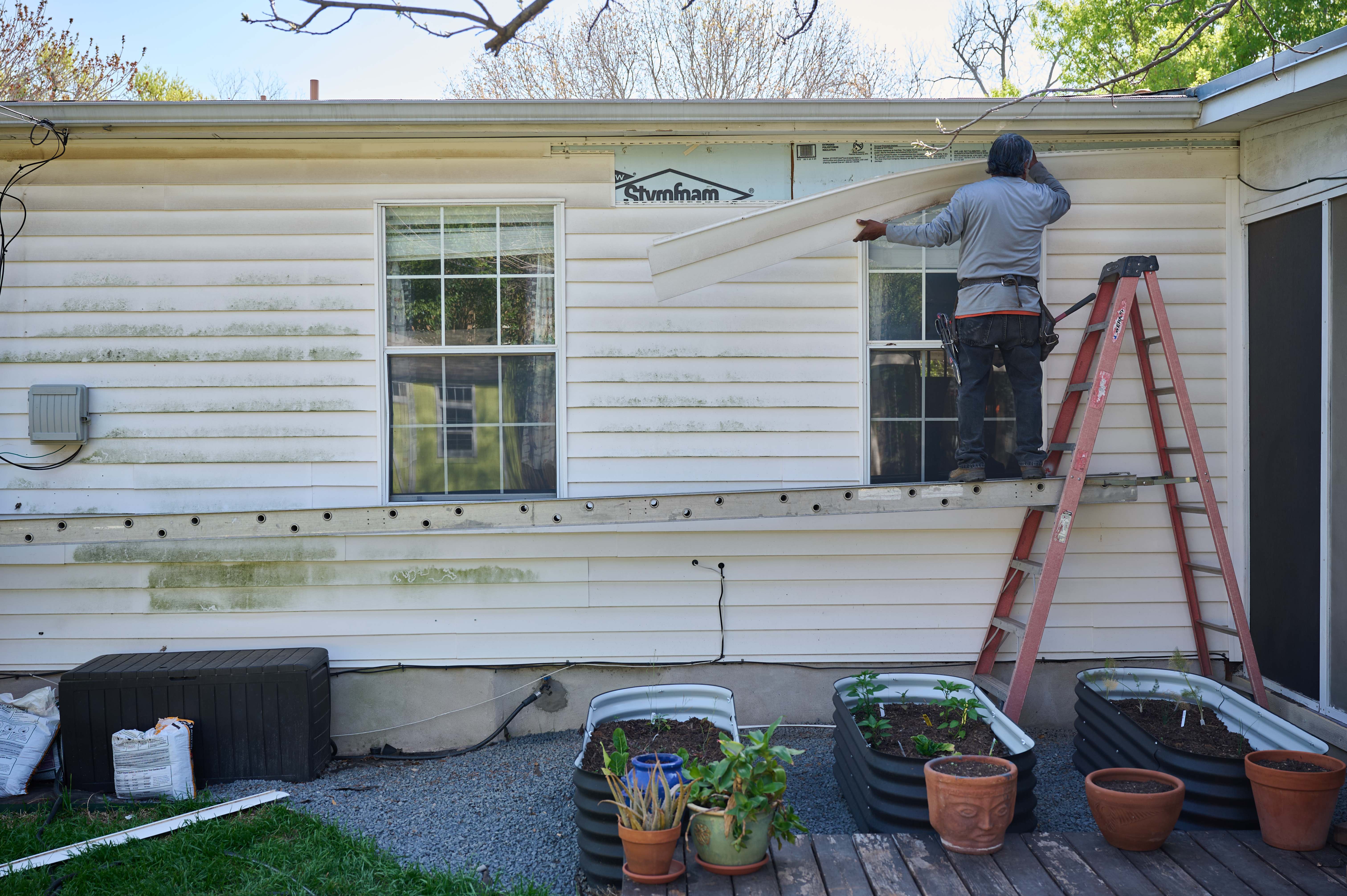
The average cost to install stucco siding on a home is around $5,700, with most homeowners paying between $2,200 and $9,100. However, the total cost can range from $750 to as high as $22,750 depending on several factors. On average, you can expect to pay between $7 and $9 per square foot. Key cost factors include the size and complexity of your home, the desired color and texture, labor and material costs in your area, and whether you have a multi-story home. Specific applications have different costs, such as adding stucco over brick ($7 per square foot) or over wood siding ($8.50 per square foot). To save money, you can consider removing the old siding yourself or scheduling the installation during the off-season.
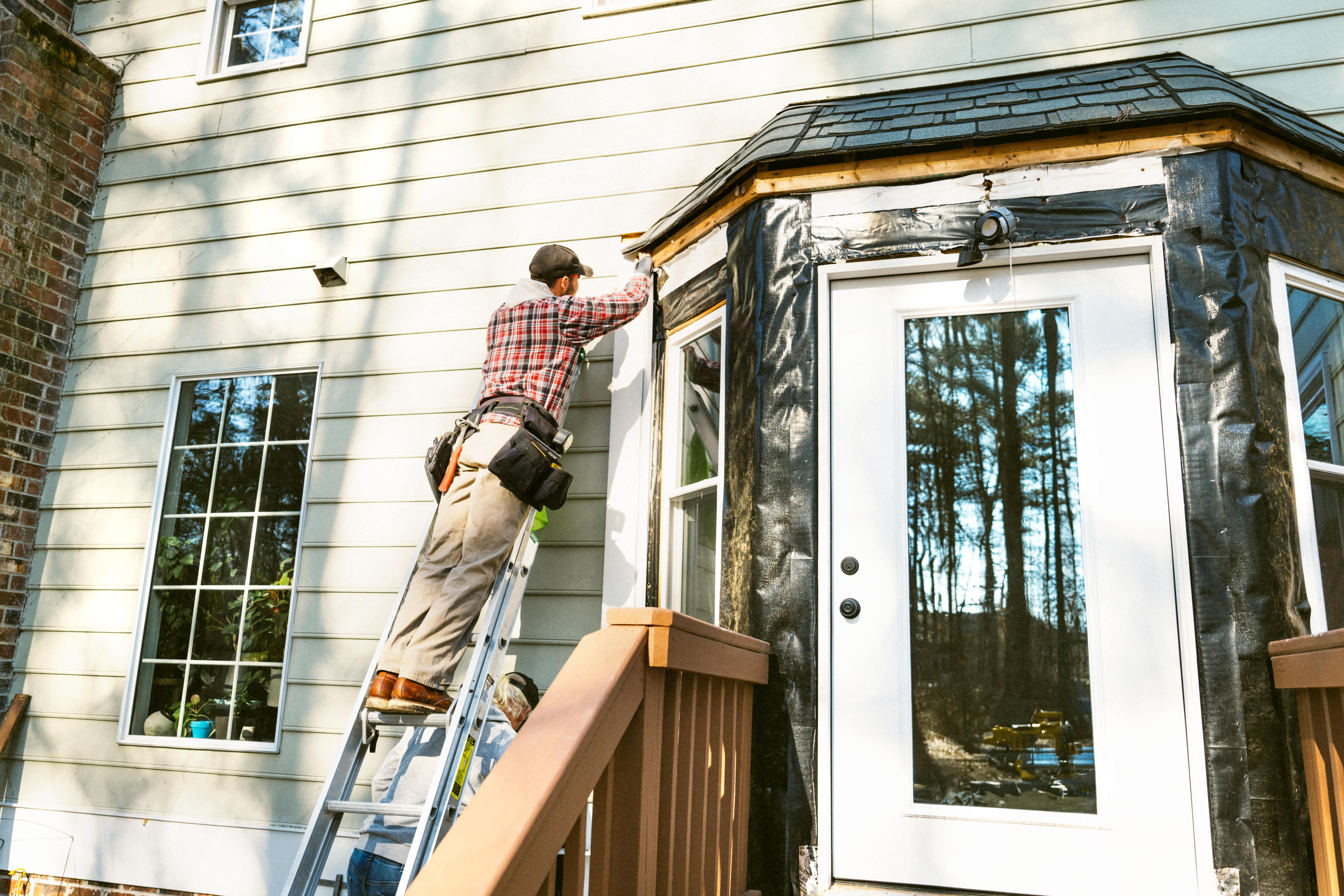
While bleach can be effective in killing mold, it may not fully remove mold stains from siding. Additionally, bleach can be harsh and may damage certain types of siding. It's recommended to use specialized mold cleaners or natural alternatives that are safe for your specific siding material as a part of your regular siding maintenance

There should be small gaps between your roof and the walls of your home, and other buildings. These small gaps let building materials shift, expand, and contract with weather and other outside forces, and they prevent moisture from wicking down walls from roofing and gutter systems. Without these strategic gaps, your home’s exterior and its finishes can sustain water damage, decay, peel, delaminate, and crack. However, there is a fine line between a smart gap and a problematic gap—all  gaps should be small, intentional, and covered or filled in with foam insulation to prevent pests from using them as access points.